

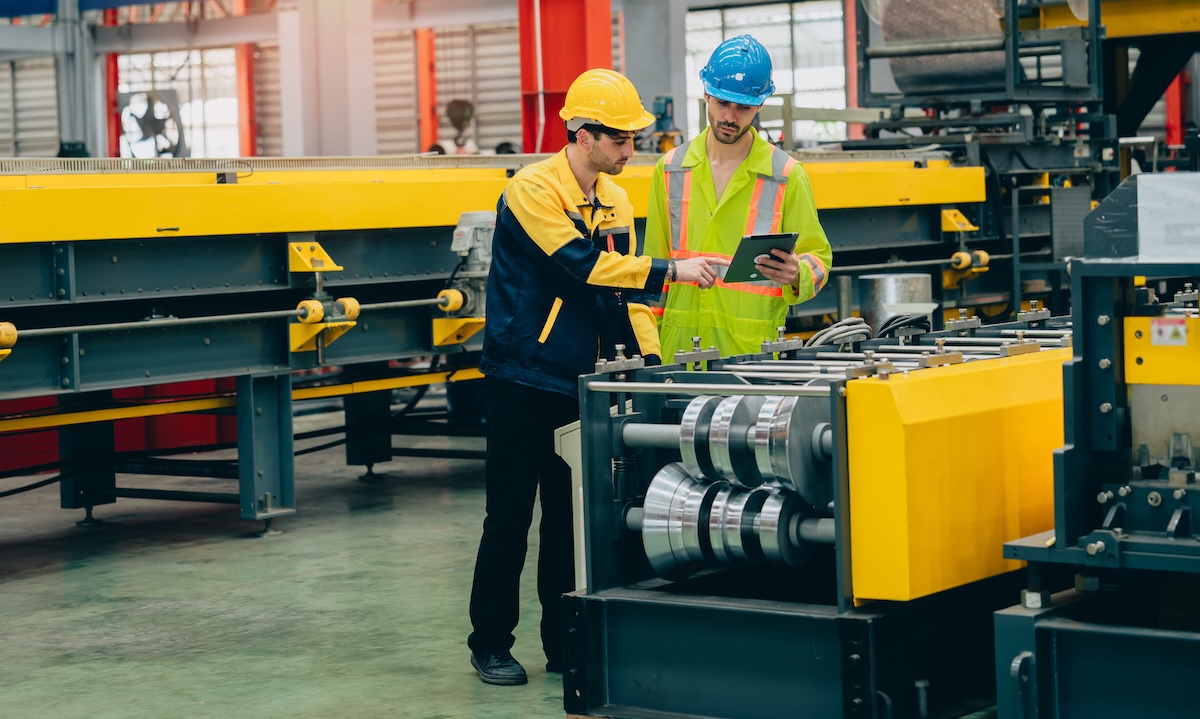
Manufacturers are increasingly focusing on retrofitting existing facilities with physical AI rather than building new plants. By integrating sensors, digital twins, and robotics into legacy systems, companies aim to boost capacity and reduce capital expenditure. This shift is reshaping equipment financing and project lending models across the industrial sector.
PepsiCo utilized Siemens’ Digital Twin Composer, powered by Nvidia Omniverse, to optimize an existing Gatorade plant. This approach increased throughput by 20% over three months and identified 90% of design flaws before implementation. The company expects to lower capital spending by 10% to 15% by extracting latent capacity from current assets.
BMW has integrated humanoid robots into established production lines. At its Spartanburg facility, Figure 02 robots logged 1,250 operating hours in 2025, supporting the production of over 30,000 X3 vehicles. The automaker currently manages more than 600 AI use cases, including real-time weld inspection and defect detection systems.
Startups are attracting significant capital to address the needs of approximately 280,000 U.S. factories operating on legacy machinery. Harmoni recently secured $10 million in a Series A round led by Bessemer Venture Partners to develop technology for these environments. Meanwhile, 83% of 501 manufacturing leaders surveyed by Augury plan to increase AI investments this year.
The broader market for industrial automation is growing rapidly. In the second quarter, North American companies ordered 8,940 robots valued at $622 million, representing a 21.3% year-over-year increase in order value. Industry experts suggest that the total market potential extends beyond robot sales to include software-driven optimization of existing infrastructure.



