The Philippines is exploring the adoption of electric and hybrid ferry technologies, drawing on Norway's decade of experience in maritime electrification. A collaborative effort began with a conference in Manila in November 2025, followed by a recent study visit to Norway by Philippine officials and industry representatives to examine infrastructure and policy frameworks.
The Philippines Association of Coastal and Inland Water Ferries, IMP Shipyard and Port Services, and Norway’s ZEM have agreed to develop an electric-hybrid ferry prototype. This project leverages the modular design principles of the EU-supported TrAM initiative, which aims to adapt maritime transport solutions to diverse operational requirements.
Local innovation is already underway with the M/V Dalaray, a 13-meter aluminum catamaran operating on the Pasig River. Developed by the University of the Philippines Diliman, the vessel features a 160-kWh battery powering two 50-kW motors. It carries 40 passengers and reports energy costs of approximately 45 Philippine pesos per kilometer, compared to 130–135 pesos for diesel vessels.
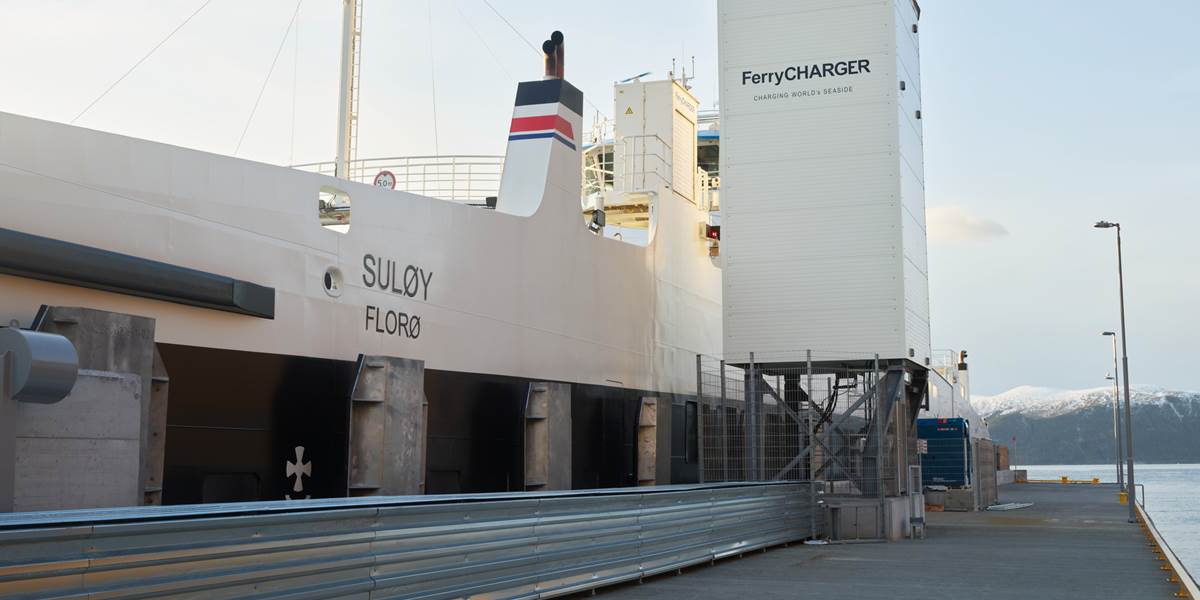
Norway currently operates around 180 electric ferries across more than 100 routes. The country’s success is attributed to predictable route planning, which allows for optimized charging infrastructure at terminals. Philippine authorities are now evaluating how to apply these operational models to the country's 7,641 islands and extensive coastline.