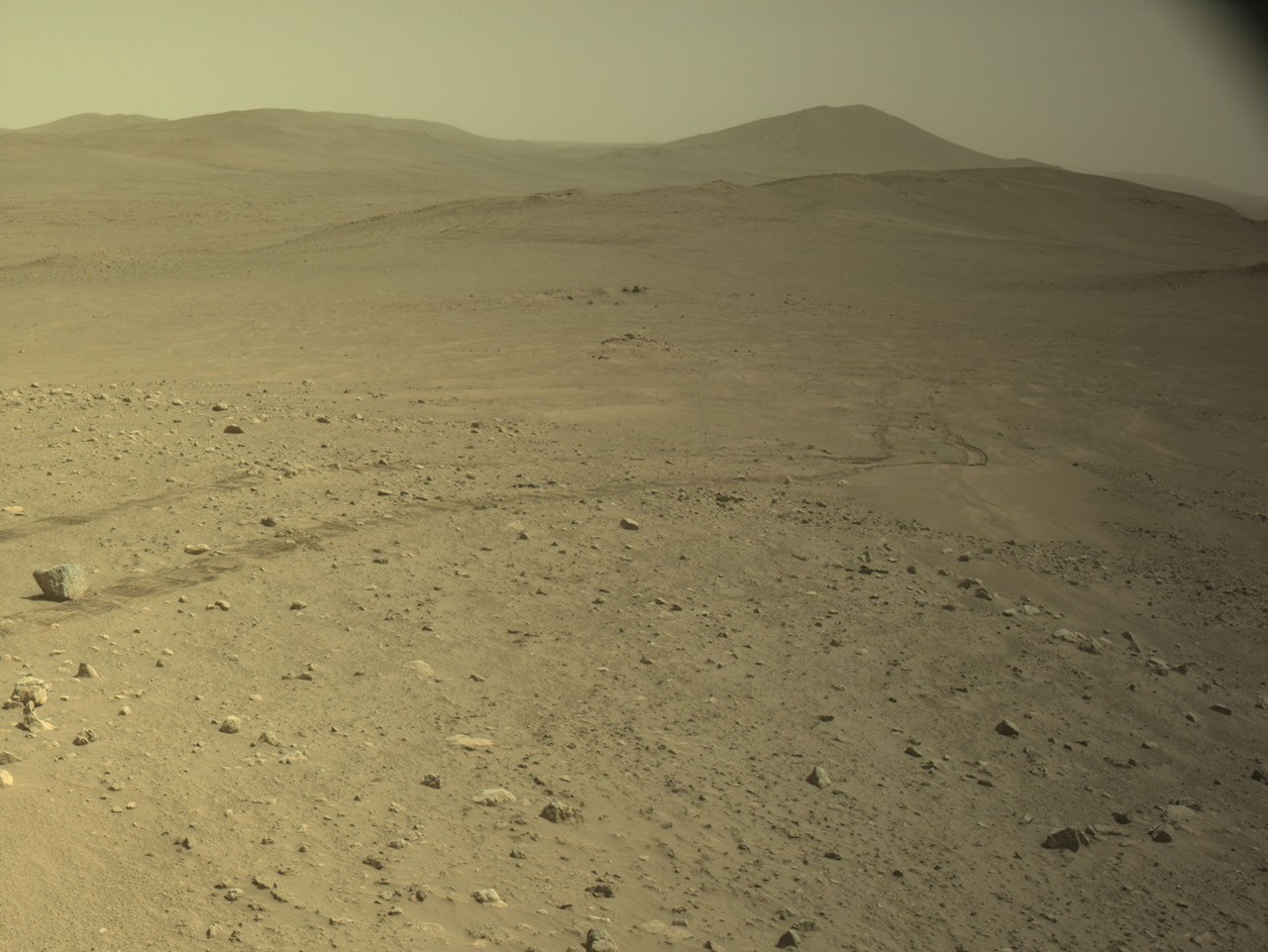
The Perseverance rover has officially set a new record for the longest distance traveled on another celestial body. On October 11, 2026, during Sol 2006, the rover reached an odometer reading of 45.22 kilometers, or 28.10 miles. This achievement was officially recognized by Guinness World Records, which presented a commemorative plaque to the rover's engineering twin located on Earth.
To reach this milestone, the mission team implemented several technical upgrades to improve navigation across challenging Martian terrain. Engineers increased the rover's tilt limit to 24 degrees and reduced the required belly pan clearance to 20 centimeters. Additionally, the team updated braking software, increased steer motor current limits, and introduced dynamic slip tables to better model movement on the surface.
A significant advancement in autonomous operations is the Global Localization (GBLC) capability. This system utilizes the high-speed processor from the Ingenuity Helicopter Base Station to compare ground and orbital imagery, allowing the rover to determine its global coordinates without GPS. Despite the processor not being radiation-hardened, the team developed software-based solutions to mitigate memory errors caused by Martian radiation.
Looking toward future operations, the team is exploring the use of generative AI to optimize autonomous navigation paths. These developments follow the rover's extensive experience navigating boulder fields and steep slopes while conducting scientific research. As Perseverance continues to climb the crater rim, the mission aims to further increase the efficiency of autonomous exploration on the planet.