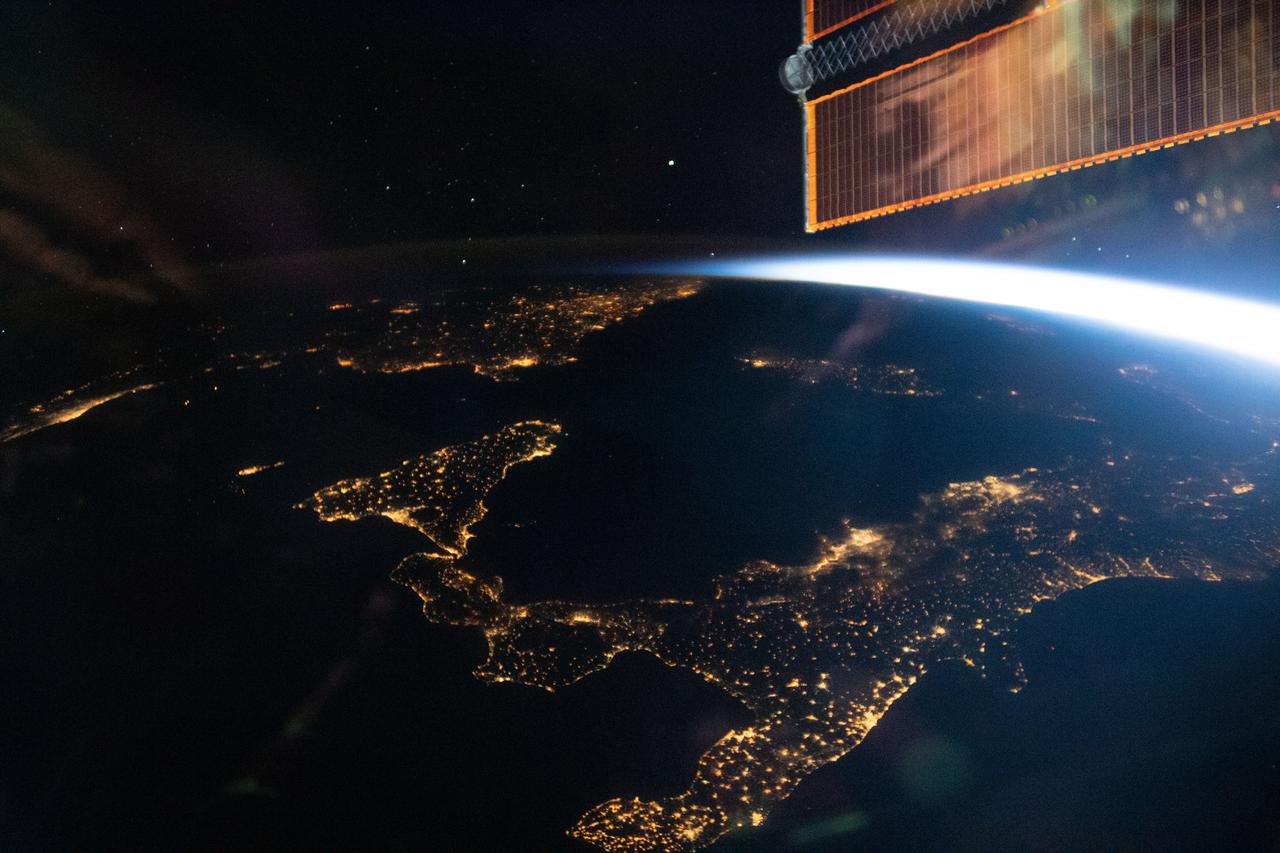
According to CelesTrak, there are currently 17,000 active satellites in orbit, a significant increase from the 1,000 satellites recorded when the film Gravity was released. SpaceX’s Starlink constellation accounts for approximately 11,000 of these units, with additional deployments planned by Amazon and various Chinese operators.
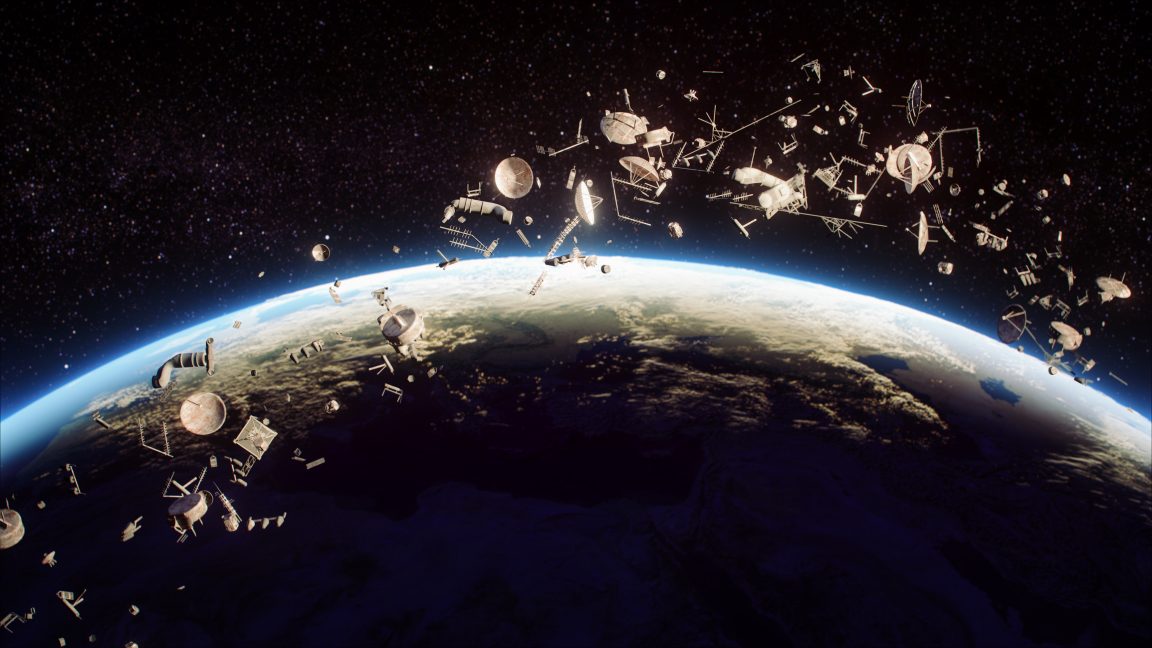
The European Space Agency’s 2026 Space Environment Report warns that current orbital traffic trends could lead to an unstable environment. Projections indicate that even with existing mitigation practices, collision rates are expected to increase exponentially, potentially leading to a Kessler-syndrome scenario.
SpaceX has intensified its collision avoidance efforts to manage its constellation. Reports to the Federal Communications Commission show that the company performed nearly 35,000 maneuvers per month through May 2026, compared to 500 maneuvers per month five years ago. The company currently uses a collision probability threshold of 3-in-10 million.
Experts note that specific orbital bands between 520 km and 1,000 km have reached a collisional-runaway threshold. Furthermore, uncontrolled spent rocket bodies at altitudes of 840 km and 975 km pose long-term risks, as debris at these heights can remain in orbit for decades or centuries.
While immediate orbital failure is considered unlikely, operational costs are expected to rise due to the need for advanced avoidance technology and propellant. Long-term risks include potential deliberate anti-satellite actions and the emergence of orbital data centers, which could further increase congestion.