

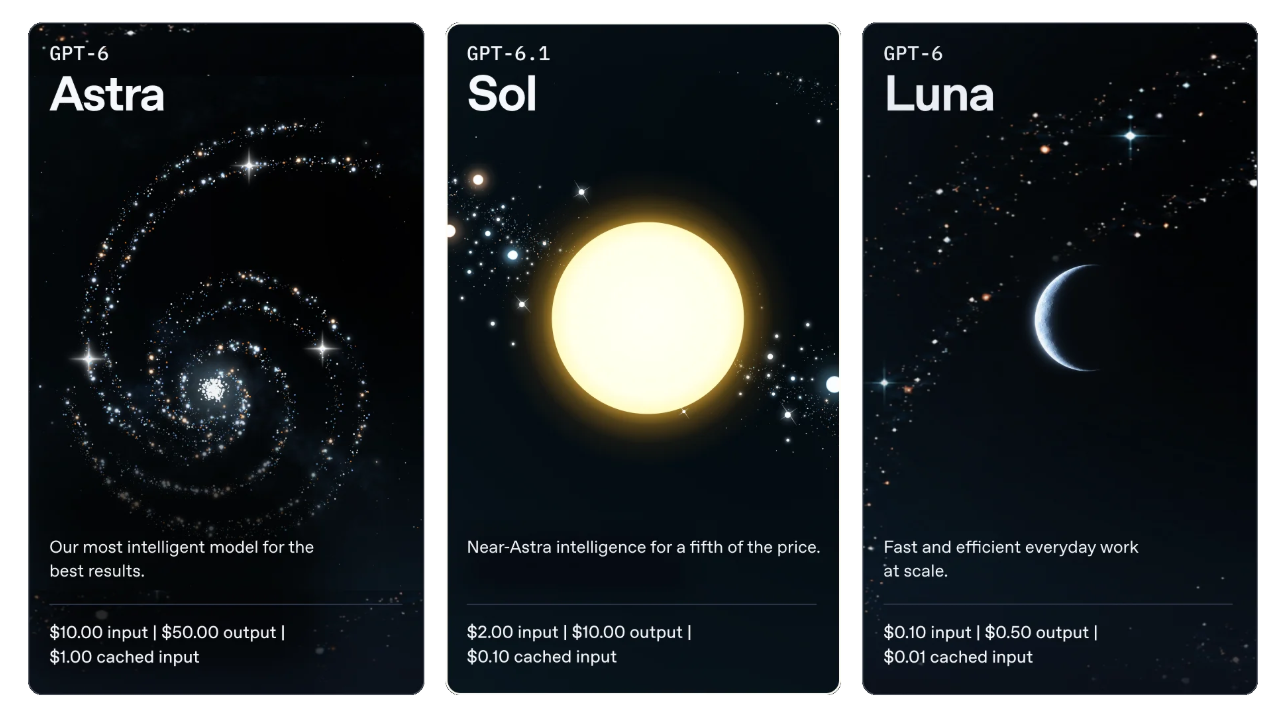
OpenAI has released a new guide for its GPT-6 model series, focusing on optimizing performance and managing operational costs. The documentation provides recommendations on selecting the appropriate model based on specific workload requirements rather than defaulting to the most powerful version available.
The guide highlights the GPT-6 Luna model as an efficient solution for large-scale, repetitive tasks. It is specifically designed for structured workflows, such as extracting data from invoices, categorizing incoming requests, or generating summaries.
For prompt engineering, OpenAI advises users to prioritize clarity over length. Effective prompts should clearly define the desired outcome, target audience, context, and constraints. Users are encouraged to specify which decisions the model can make independently and when it should seek human input.
Regarding inference intensity, the company suggests that high-level settings are unnecessary for routine queries. Users should reserve high-intensity processing for complex tasks, such as deep research, debugging, or advanced data analysis.


