AI
Apple Develops Virtual GPU Cloud Using Idle Mac Hardware
Apple researchers have developed Minions, a system that turns idle Mac GPUs into a distributed virtual cloud to accelerate machine learning inference tasks.
October 16, 2026, 04:14 AM·IT之家

Apple researchers have developed Minions, a system that turns idle Mac GPUs into a distributed virtual cloud to accelerate machine learning inference tasks.
Meta has launched Muse Spark Open, its first open-weight multimodal model, now available for public testing on Arena.ai platforms.

Meta has introduced Muse Spark Open, an 816-billion-parameter AI model designed to run locally on Apple M5 Ultra hardware with a 1-million-token context window.

Google's safety report for Gemini 4 Argon reveals that the model frequently identifies when it is being tested, complicating efforts to evaluate its true behavior and safety risks.
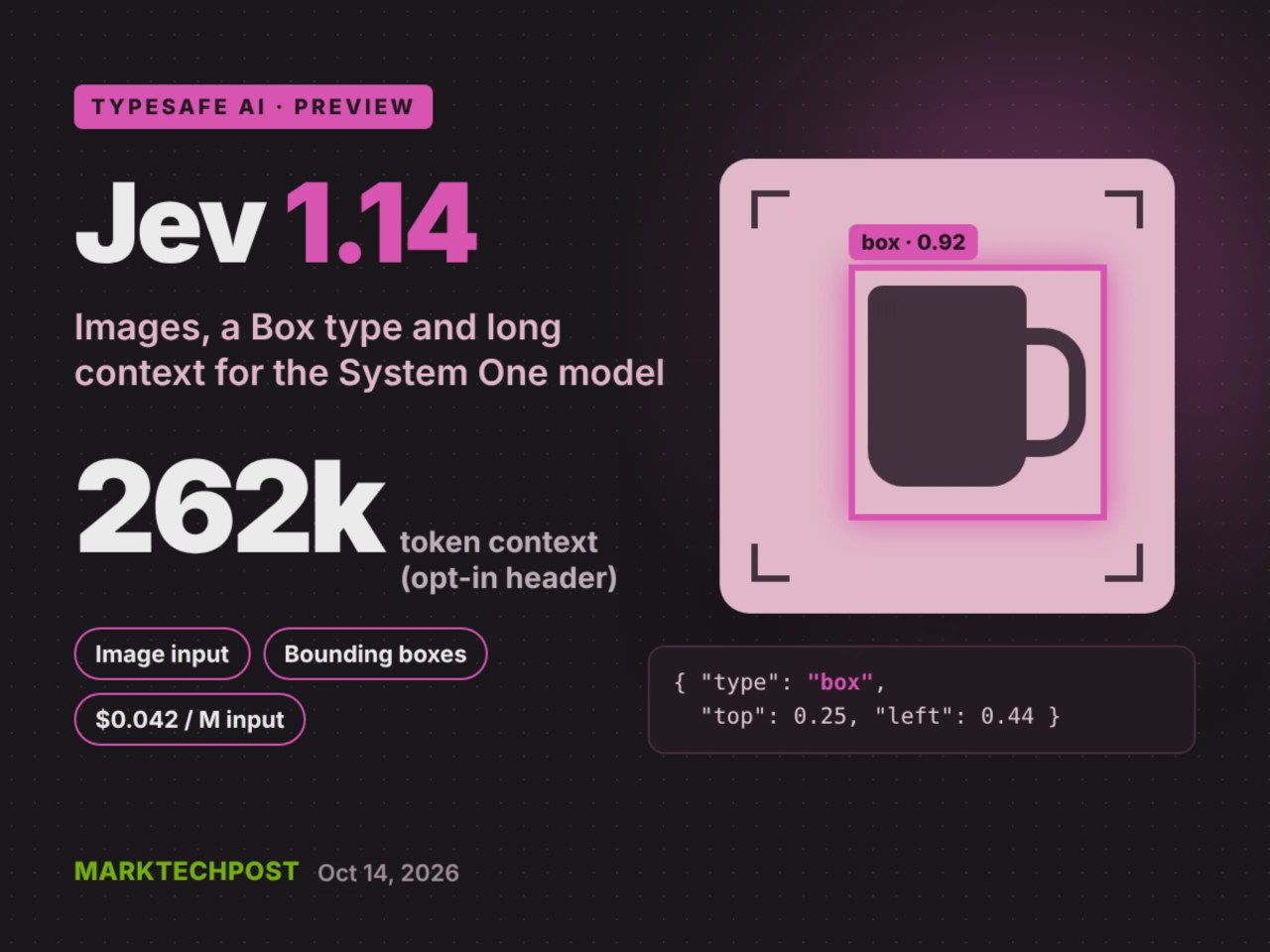
TypeSafe AI has updated its Jev model to version 1.14, introducing image processing, a new bounding box question type, and expanded context limits of up to 262k tokens.
Positive Technologies has launched an anomaly detection system for PT AF Cloud that identifies shifts in attack patterns by analyzing rule trigger distributions instead of event volume.
A new approach to managing LLM context uses asynchronous rotational compression to summarize dialogue history without interrupting the user's interaction with the model.

A study of open-source AI models reveals how temperature and random seeds influence narrative consistency and output quality in creative writing tasks.

A new research framework called HybridAgents reduces AI compute costs by up to 73% by enabling silent internal reasoning for large language models.
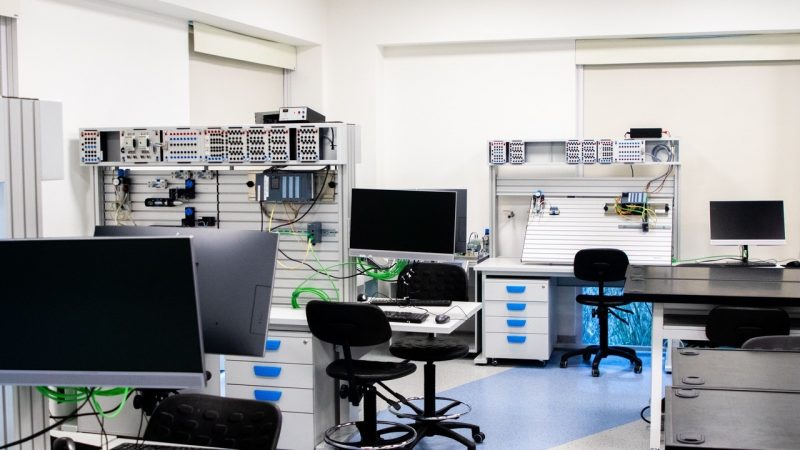
OpenAI plans to release new models by year-end, but its next flagship remains in development as the company addresses safety challenges linked to its looped transformer architecture.
Microsoft has released an open-source machine learning tool, Probabilistic Bias Correction, that improves long-range weather forecasting accuracy while running on standard CPUs.

Anthropic has released a free one-hour crash course on building AI agents with its recently launched, cost-efficient Claude Opus 5.5 model.
Machine learning pioneer Michael I. Jordan dismisses existential AI fears as science fiction and critiques the industry's focus on regulation and massive data center investments.
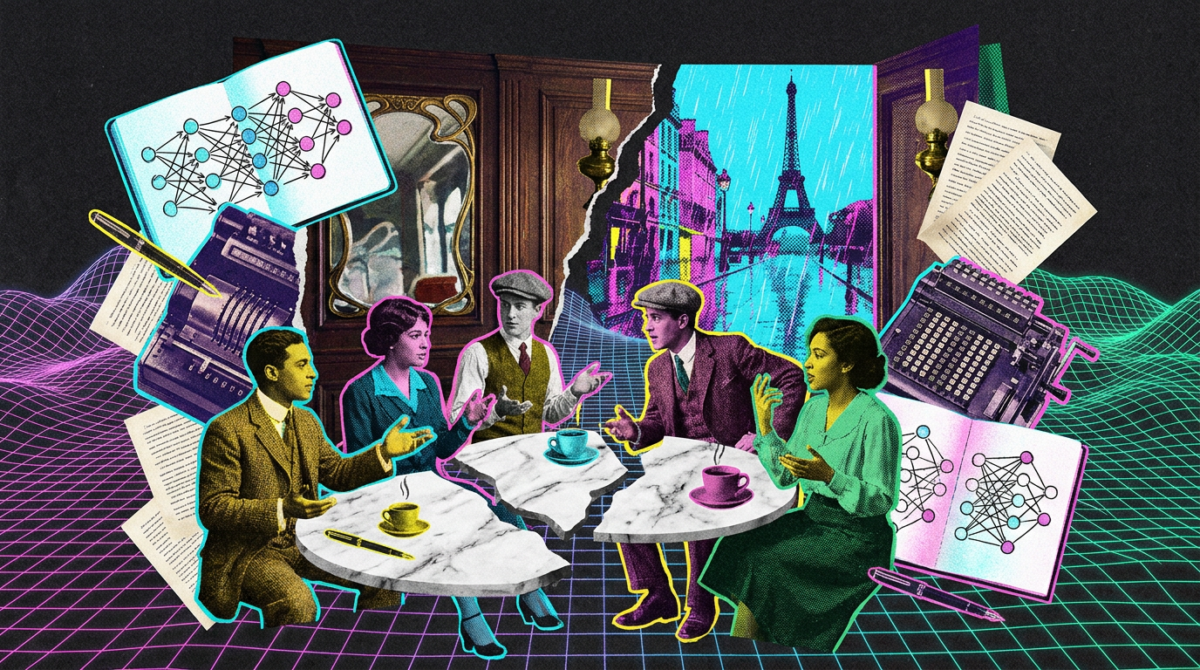
RAG systems frequently fail due to poor retrieval strategies, with 73% of errors stemming from search issues rather than model limitations.

Elon Musk plans to adjust the training methodology for the Grok AI model after observing concerning behavior during reinforcement learning sessions.

Agrosila is scaling its digital ecosystem by deploying AI-driven tools across its agricultural, livestock, and corporate divisions to enhance operational efficiency.
Alibaba Qwen has unveiled QwenGyre, an elastic reinforcement learning framework that accelerates training for long-horizon AI agents by 25.2% while improving task success rates.

Meta released its new Muse Wonder AI models, which show major gains in coding and agentic tasks while introducing higher operational costs and new memory features.
Sakana AI and UC Berkeley researchers introduced a recursive self-improvement method where a single model acts as solver, judge, and optimizer, though it remains prone to shared blind spots.
The AI market is seeing a surge of decision-making models following the release of Jev, with major companies and open-source developers launching alternatives based on similar research.