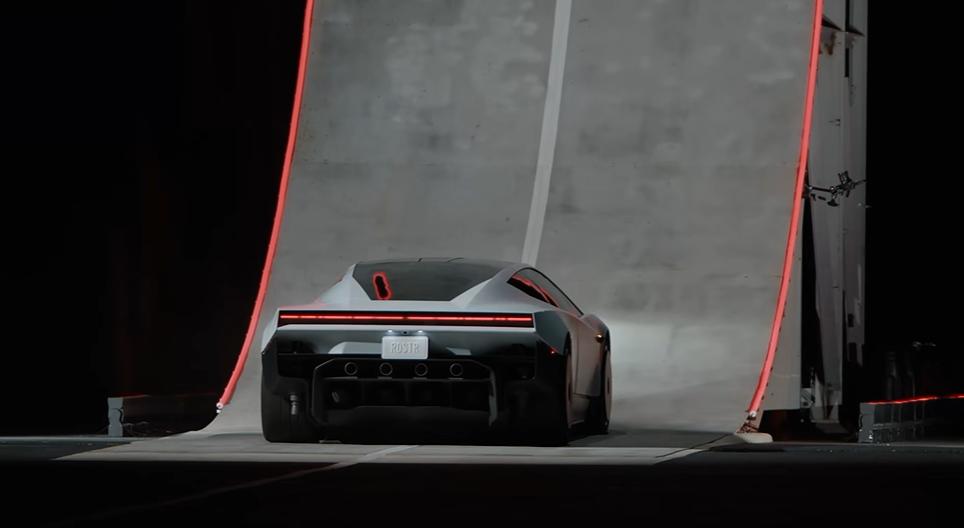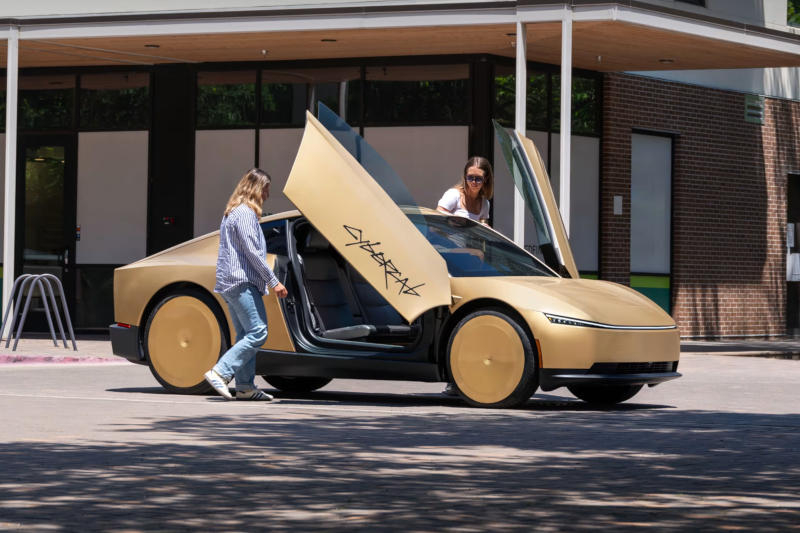
Tesla has officially launched its autonomous taxi service in Austin, Texas, allowing users to request rides via the Robotaxi app. The Cybercab model is designed without traditional steering wheels or pedals, which may conflict with federal safety standards developed for conventional vehicles.
The National Highway Traffic Safety Administration (NHTSA) has initiated a review of Tesla's self-certification of the Cybercab to determine if it meets federal safety requirements. While Tesla claims the vehicle complies with all applicable standards, the regulator intends to investigate which specific standards the company deemed inapplicable.
Tesla aims to make autonomous vehicles a core business direction. The company plans to gradually expand commercial deployment, adding more vehicles and locations. However, the NHTSA has the authority to demand a recall if the vehicle is found to be non-compliant with safety standards.
Tesla plans to sell the Cybercab to private buyers for less than $30 000. The company has established production capacity for 125 000 units per year. Currently, 45 Cybercabs are registered in Texas, while the total Tesla Robotaxi fleet, including autonomous Model Ys, consists of 420 vehicles.