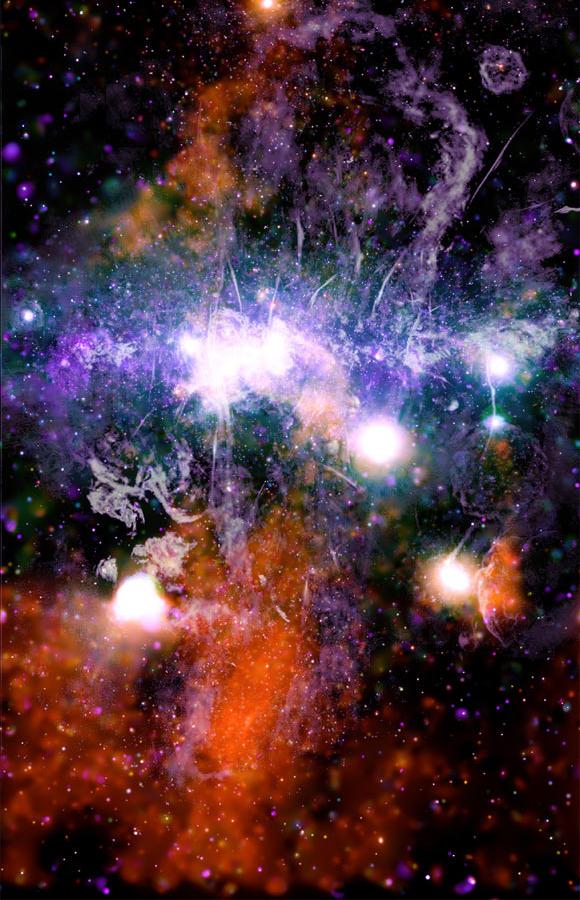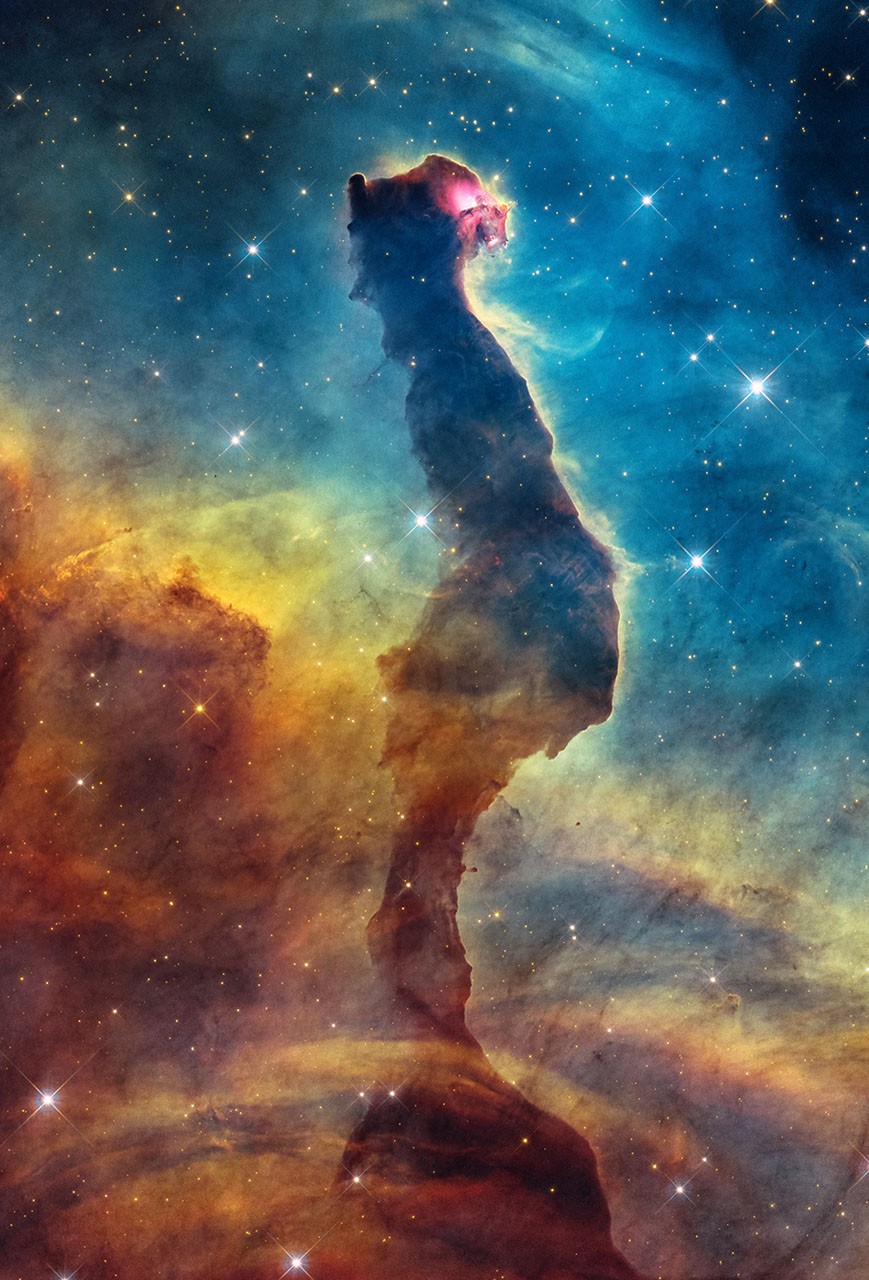
NASA has released new imagery of the Cat’s Head Nebula, a star-forming region located within the Carina Nebula. The site is situated approximately 7,500 light-years from Earth. Both the Hubble and James Webb Space Telescopes captured the area to study the complex processes of star formation.
Hubble’s visible-light observations reveal a dark dust pillar with a luminous gas rim. The nebula’s distinct shape is likely the result of ultraviolet radiation and stellar winds from massive stars in the surrounding region. The imagery highlights ionized gas and scattered starlight.
The James Webb Space Telescope provided near-infrared and mid-infrared views, offering deeper insight into the nebula's structure. These images reveal warm dust, carbon-based molecules, and background galaxies. Infrared data helps astronomers identify potential infant stars embedded within the dust.
The Cat’s Head Nebula is a temporary formation that will disperse as stars evolve. The project involves international cooperation between NASA, the European Space Agency, and the Canadian Space Agency. Mission operations are managed by NASA’s Goddard Space Flight Center.