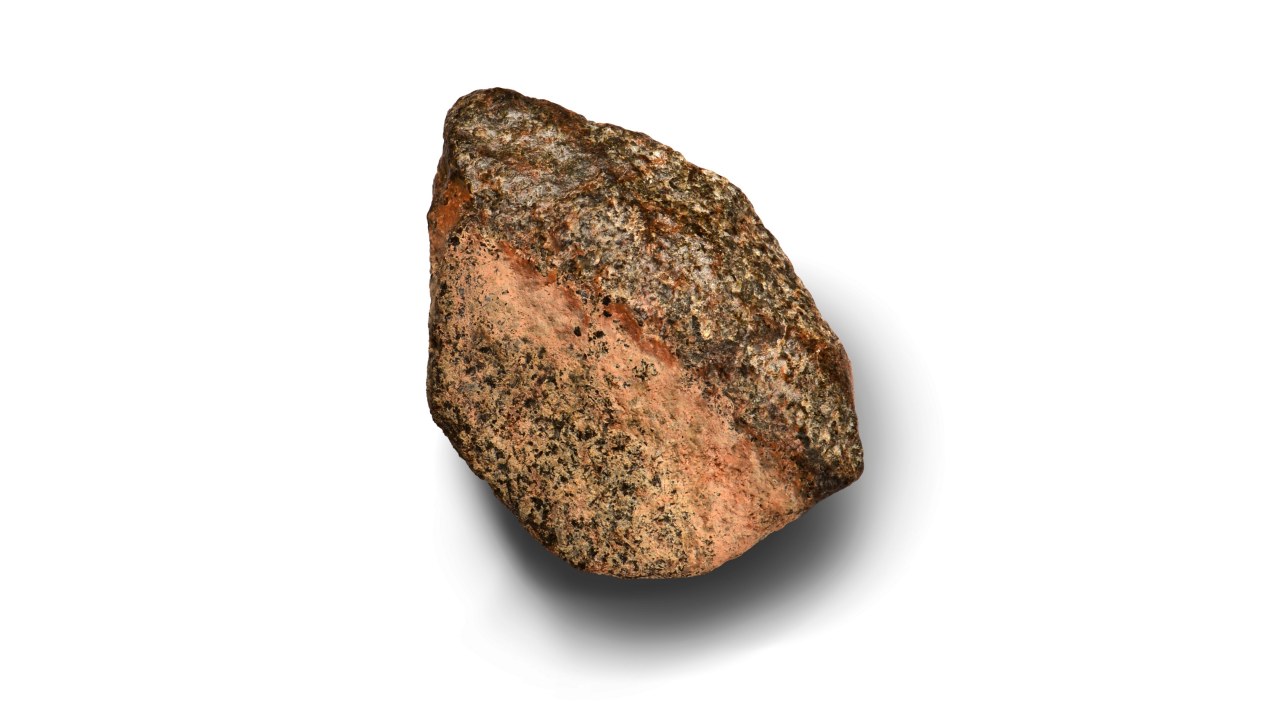
Researchers have published an initial characterization of the Teghaza 001 meteorite in the journal Science. The study identifies the sample as one of the three oldest Martian meteorites discovered on Earth, providing new insights into the formation of the planet's ancient crust.
The meteorite features a unique combination of igneous minerals that indicate how the Martian crust formed from cooling magma. Analysis suggests the rock was altered by water approximately 4.1 billion years ago, pointing to a dynamic water cycle on early Mars.
The research team utilized an in-situ rubidium-strontium age-dating method developed at Caltech. This technique allows for the analysis of single mineral grains on samples smaller than a fingernail, preserving the material for future scientific study.
The mineralogy of Teghaza 001 aligns with observations made by the Mars Reconnaissance Orbiter in the southern highlands of the planet. Scientists identified the meteorite as Martian by matching its oxygen isotopes to data from previous NASA missions.