Researchers at South Ural State University have developed a heat-resistant alloy capable of withstanding temperatures of 1100 degrees Celsius for 100 hours. The material's protective layer demonstrates 2.6 times higher oxidation resistance compared to standard aviation alloy coatings.
The alloy composition includes aluminum, cobalt, chromium, nickel, and niobium. The atomic fractions of aluminum and niobium are half those of the other components. At 1100 degrees Celsius, niobium facilitates the formation of double oxide compounds with aluminum and chromium, alongside niobium-enriched crystals that prevent oxidation.
During 100-hour tests, the specific mass gain of the new alloy was 1.363 mg/cm2. In comparison, the Inconel 617 alloy would gain approximately 3.6 mg/cm2 under the same conditions. The material maintains structural integrity without cracking or peeling.
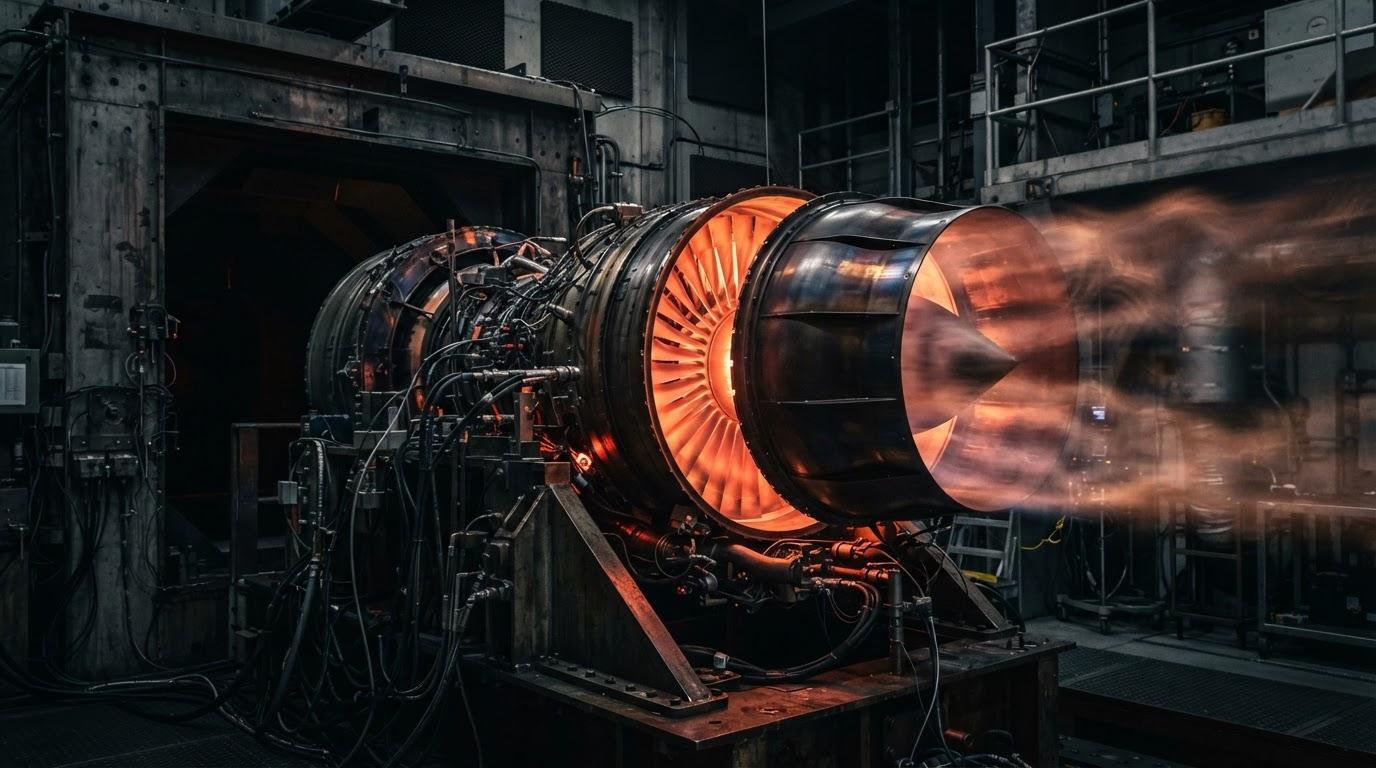
The alloy is suitable for manufacturing components or protective coatings for metallurgical furnaces, gas turbines, and turbojet engines. Its enhanced oxidation resistance is expected to extend the operational lifespan of equipment exposed to extreme thermal stress.