

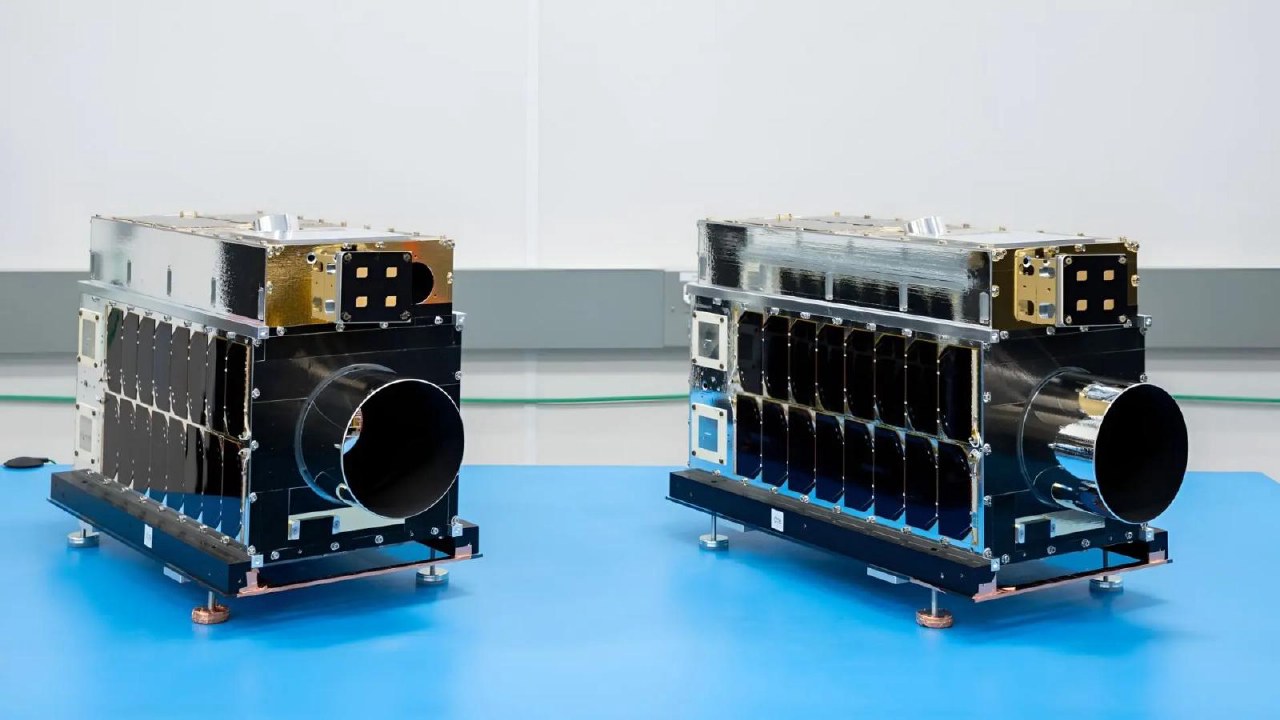
The GHGSat orbital constellation has expanded with the addition of two new satellites launched on October 1. The mission was carried out by SpaceX using a Falcon 9 rocket during the Transporter-18 flight from Vandenberg Space Force Base in California.
These 15-kilogram satellites were manufactured by SFL Missions using the NEMO platform. This platform has been utilized in 11 previous GHGSat missions, with the partnership between the two companies dating back to the 2016 launch of the Pathfinder demonstrator.
The satellites operate at an altitude of approximately 500 kilometers. They feature high-precision orientation control systems, which allow the onboard sensors to remain locked onto specific industrial facilities while the satellites move along their orbit.
The collected data is intended for monitoring greenhouse gas emissions in sectors such as oil and gas, energy, mining, and waste management. Agriculture is also identified as a potential area for applying the monitoring technology.
The NEMO platform provides surplus capacity for power, data storage, and transmission. According to SFL Missions, previous satellites built on this architecture have already exceeded their initial operational goals regarding data collection volumes.



