Daniel Skaven Ruben, a former adviser to foodtech startups and angel investor in over 50 early-stage companies, now works at Business Sweden. He highlights that while Sweden possesses strong research institutions like SLU and Karolinska Institutet, the country faces challenges in commercializing academic research into startups.
The agrifoodtech sector often struggles with the traditional venture capital model due to long development cycles, regulatory hurdles, and high capital intensity. Notable failures in the industry include Infarm, which raised nearly $500 million and reached a $1 billion valuation before facing bankruptcy, and the French firm Ynsect, which entered liquidation in December 2025 after raising around €600 million.
Skaven Ruben emphasizes that successful foodtech businesses must solve tangible problems rather than relying solely on environmental narratives. He points to companies like Germany’s Planet A Foods, which addresses supply chain volatility by offering cocoa alternatives, as a model for sustainable growth.
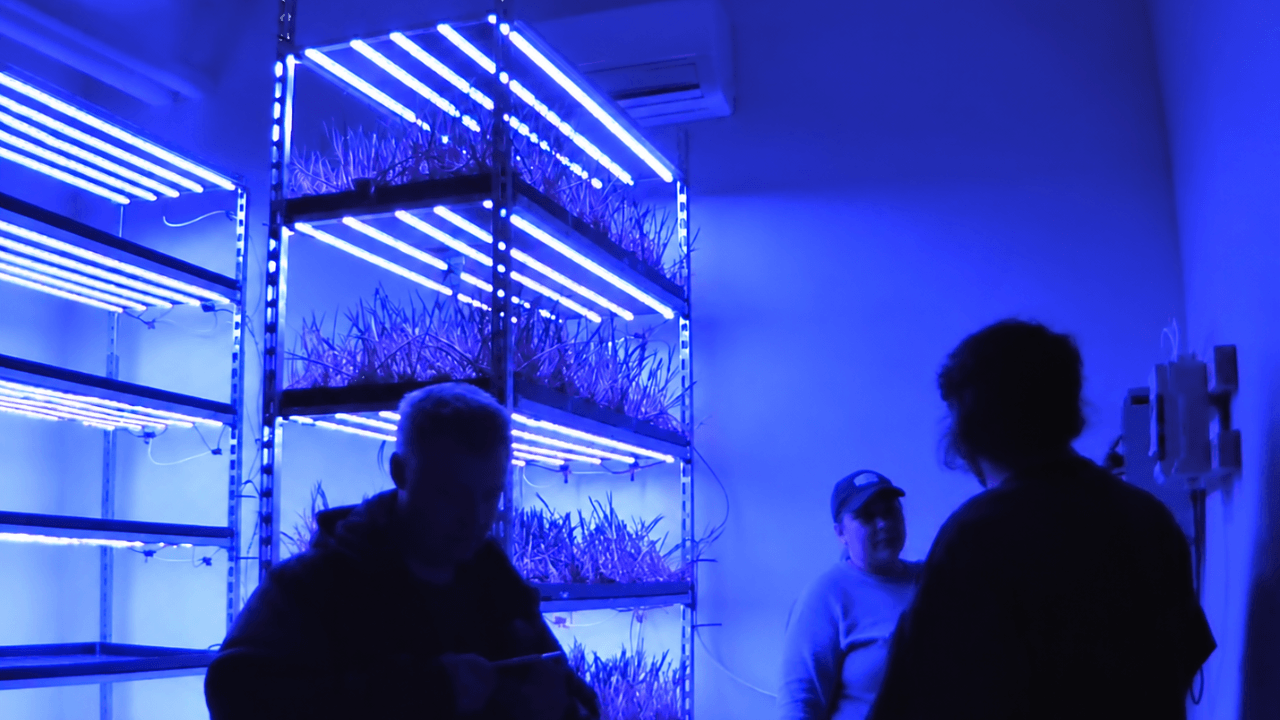
Swedish companies continue to innovate within the sector. BlueRedGold, founded in 2021, uses AI and robotics for indoor saffron production to overcome the labor-intensive nature of traditional farming. Meanwhile, Gothenburg-based OlsAro has developed a platform that reduces seed-development time by half and reported a 41 per cent yield increase in wheat during field trials in Bangladesh.