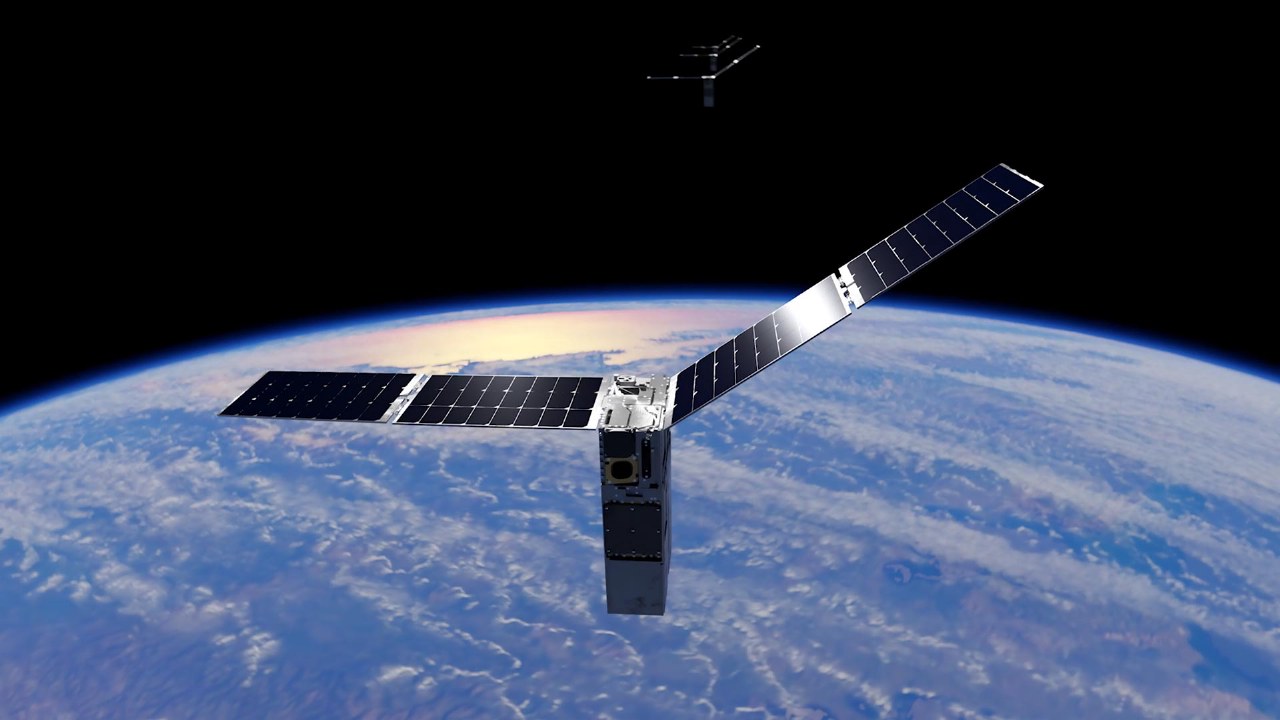
NASA has successfully tested a new autonomous navigation technology that allows spacecraft to determine their position without relying on GPS or constant ground control support. The experiment demonstrated that satellites can calculate their own orbital status by exchanging signals and measuring relative distances between multiple spacecraft.
Traditional navigation methods depend heavily on Earth-based systems, which become less effective as missions move further into deep space. The new approach enables spacecraft to function as part of an autonomous collaborative network, similar to connected devices on the internet, which reduces the operational burden on ground control centers.
This development is critical for future lunar and Martian missions, where communication delays make real-time ground support difficult. By offloading routine positioning tasks to the spacecraft themselves, NASA aims to improve mission response times and manage the increasing complexity of future space infrastructure.
The research team confirmed the practical feasibility of this concept through successful signal-based navigation tests. NASA plans to continue refining the technology and integrating it into upcoming deep space exploration programs and lunar infrastructure projects.