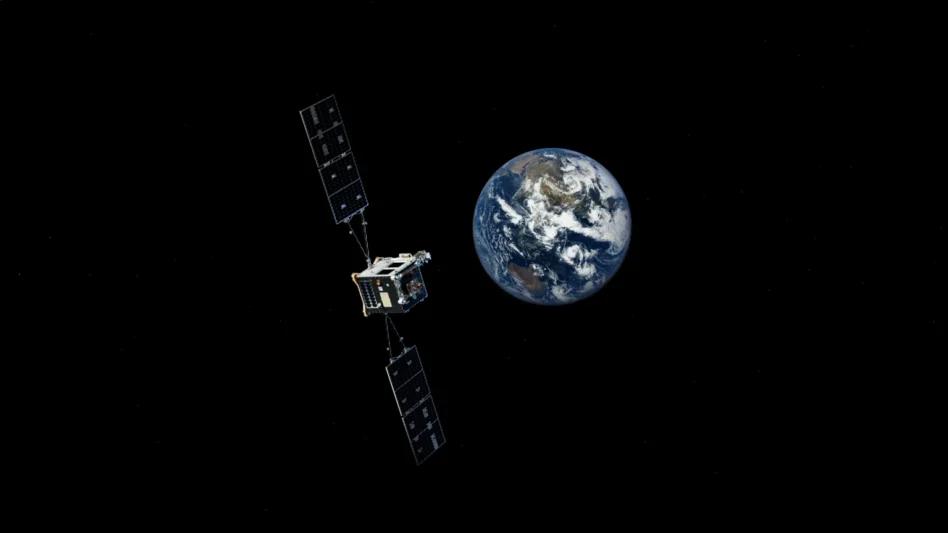
The Neil Gehrels Swift Observatory, operated by NASA, has concluded its mission after nearly 22 years in orbit. The satellite re-entered the Earth's atmosphere on November 4, 2026, at 7:39 AM EST, disintegrating over northern Sumatra, Indonesia. While most of the structure burned up during re-entry, the mission leaves behind a vast archive of scientific data.
Launched in 2004 with an initial two-year lifespan, the observatory was designed to study gamma-ray bursts. Its unique architecture featured three telescopes capable of detecting different light bands. This allowed the craft to autonomously reorient itself toward sudden high-energy events and alert ground facilities, enabling rapid follow-up observations by other telescopes.
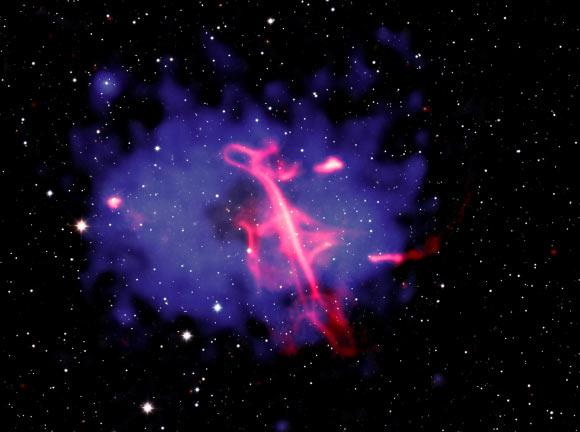
Over its extended operational life, the observatory's scope expanded significantly beyond its original mission. It provided critical data on active galaxies, supermassive black holes, stellar X-ray flares, and supernova explosions. Furthermore, the telescope contributed to research within the solar system, including observations of comets and asteroids.
The longevity of the Swift mission demonstrated the effectiveness of rapid-response, multi-wavelength space observation. Although the physical hardware has been decommissioned, the data collected over more than two decades continues to support ongoing astronomical research and the discovery of new cosmic phenomena.