

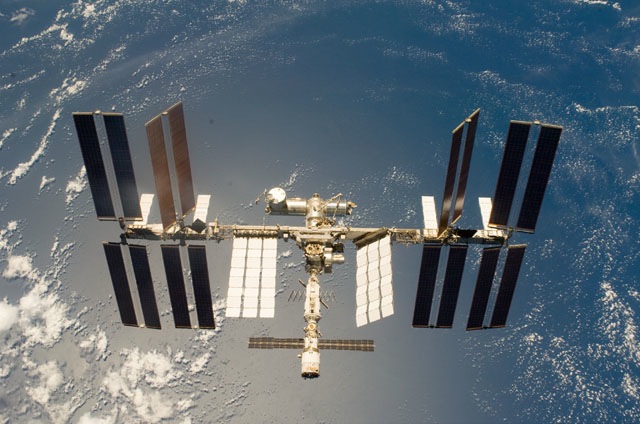
NASA has released a 360-page request for proposals to facilitate the development of private space stations in low Earth orbit. The agency aims to maintain a continuous human presence for research and exploration. Industry participants must submit their responses by December 8, with a final selection of at least two contractors expected in April.
Winners of the first phase are guaranteed a minimum of $100 million. Future stages will involve further development, certification, and the procurement of at least four missions for NASA astronauts. The agency intends to launch the second phase of the competition next year to support the long-term viability of these commercial orbital destinations.
To address transportation concerns, NASA will provide crewed flights for the first four service missions. The agency estimates that a four-seat crew flight will cost $325 million, while a cargo mission is priced at $300 million for 2030. This initiative is designed to assist private operators who currently lack independent access to crewed transport.
The agency recently allocated an additional $359 million to Boeing to help certify the Starliner spacecraft. This move follows uncertainty regarding the future of SpaceX's Crew Dragon, which is expected to retire around 2030 or 2032. NASA will act as a facilitator to help private station providers secure necessary transportation services.
Potential bidders for the contract include Axiom Space, Voyager Space, and Vast Space. Representatives from Voyager Space and Axiom Space have confirmed they are reviewing the proposal and preparing their submissions. While Blue Origin previously received funding, its current commitment to the program remains under discussion.



