

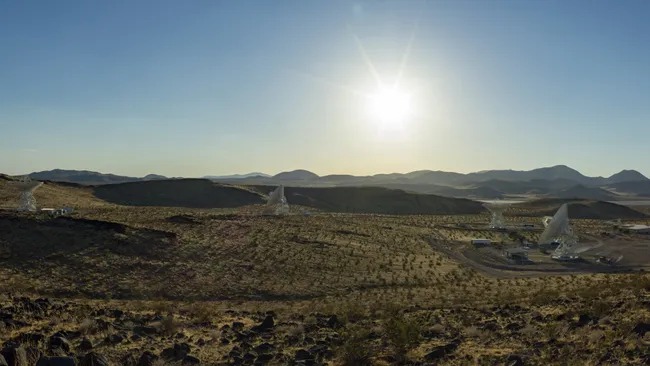
NASA has expanded its Deep Space Network (DSN) by adding a new 34-meter radio frequency antenna in California. The antenna, designated as DSS-23, became operational on August 3, initially tracking the Chandra X-ray Observatory. It is the fifth of six new antennas planned under the Aperture Science Project, which began in 2009 and is expected to conclude in 2029 with the installation of the sixth antenna, DSS-33, in Canberra, Australia.
The expansion comes as the DSN faces increasing pressure from over 40 spacecraft currently exploring the solar system and interstellar space. The network's capacity is further strained by the high-priority communication needs of the Artemis lunar missions. The Artemis 1 uncrewed mission in 2022 and the upcoming Artemis 2 crewed mission in 2026 are prioritized, which limits the support available for other robotic missions.
The overall expansion project has faced significant delays and cost overruns. A 2015 report from the NASA Office of Inspector General estimated the project cost at $362.4 million. However, by the start of the 2023 fiscal year, the expected cost had risen by 68% to $706 million, with the overall schedule lagging nearly five years behind the original plan.



