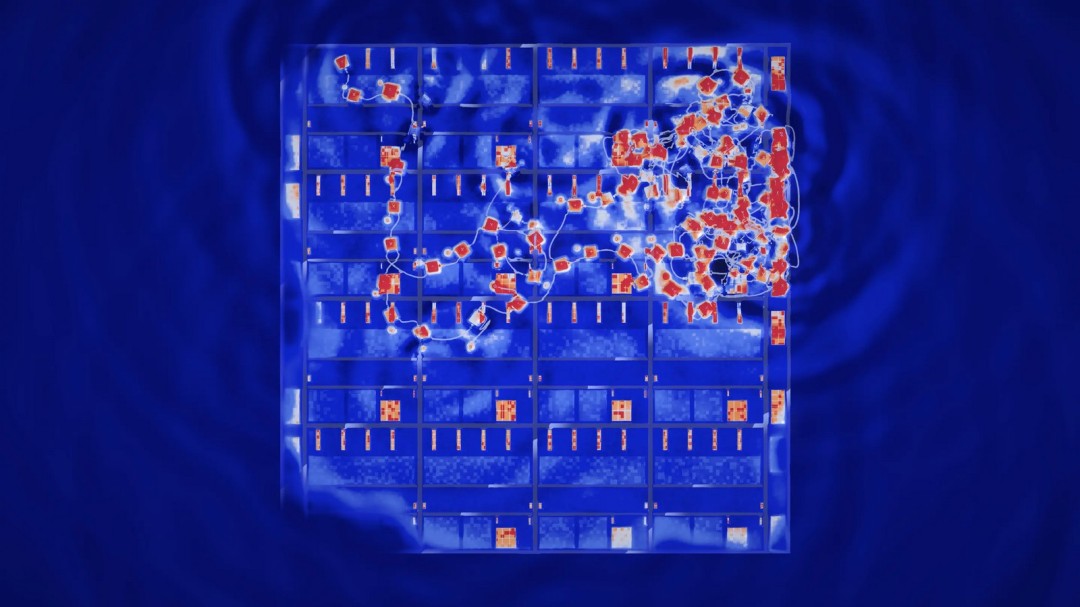

Researchers at MIT utilized four AI agents within the RoboBuilder system to design 12,774 robots. The agents conducted 16,427 virtual simulations to evaluate performance across a ten-obstacle course, with each obstacle featuring three difficulty levels. The AI autonomously selected components, motors, and generated 3D-printable parts alongside control software.
The team manually assembled 135 designs that passed virtual testing. During physical trials, 66% of these robots successfully navigated the obstacle course. The researchers spent approximately 240 hours on the assembly process to validate the simulations in a real-world environment.
Engineers encountered discrepancies between simulation and reality, such as gear slippage and structural failures. To address this, the team implemented a feedback loop where agents analyzed video footage of failed attempts to refine designs. Following these adjustments, success rates on the first two difficulty levels improved from 73% to 93%.
The AI agents developed unique mechanisms, including specialized wheels, lever systems, cable-traversing devices, and walking configurations that standard automated search algorithms failed to produce. However, the AI models demonstrated lower performance when tasked with creating a single robot capable of completing the entire course or navigating the most complex obstacles.