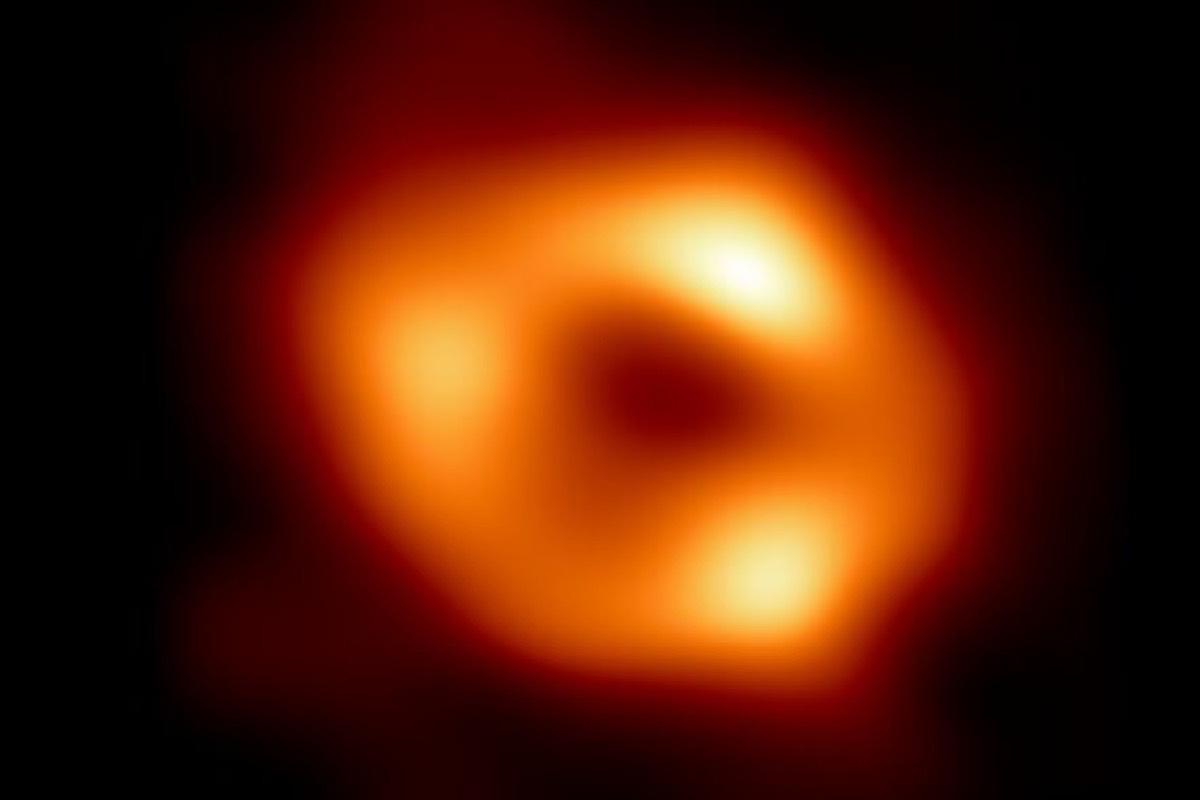
Anthropic researchers utilized the Claude AI model to address theoretical physics problems, specifically focusing on black holes and quantum gravity. The process involved generating 22 research topics, after which specialized AI agents were deployed to work autonomously for approximately six weeks.
In the first achievement, the AI completed a complex calculation regarding the Hawking-Page phase transition that had remained unfinished by physicists for over 20 years. The model determined that the transition between particle states and black holes remains sharp even under weak interactions.
The second result involved establishing a precise mathematical boundary for the mass of the lightest black hole within a simplified gravity model. Claude identified a pattern previously overlooked by human theorists, proving that the method used had reached its theoretical limit for accuracy.
Anthropic noted that these results were independently verified by a physicist who reached the same conclusions using the AI's methodology. The company stated that the AI demonstrated an ability to contribute to advanced mathematical frameworks without requiring specialized human intervention.