

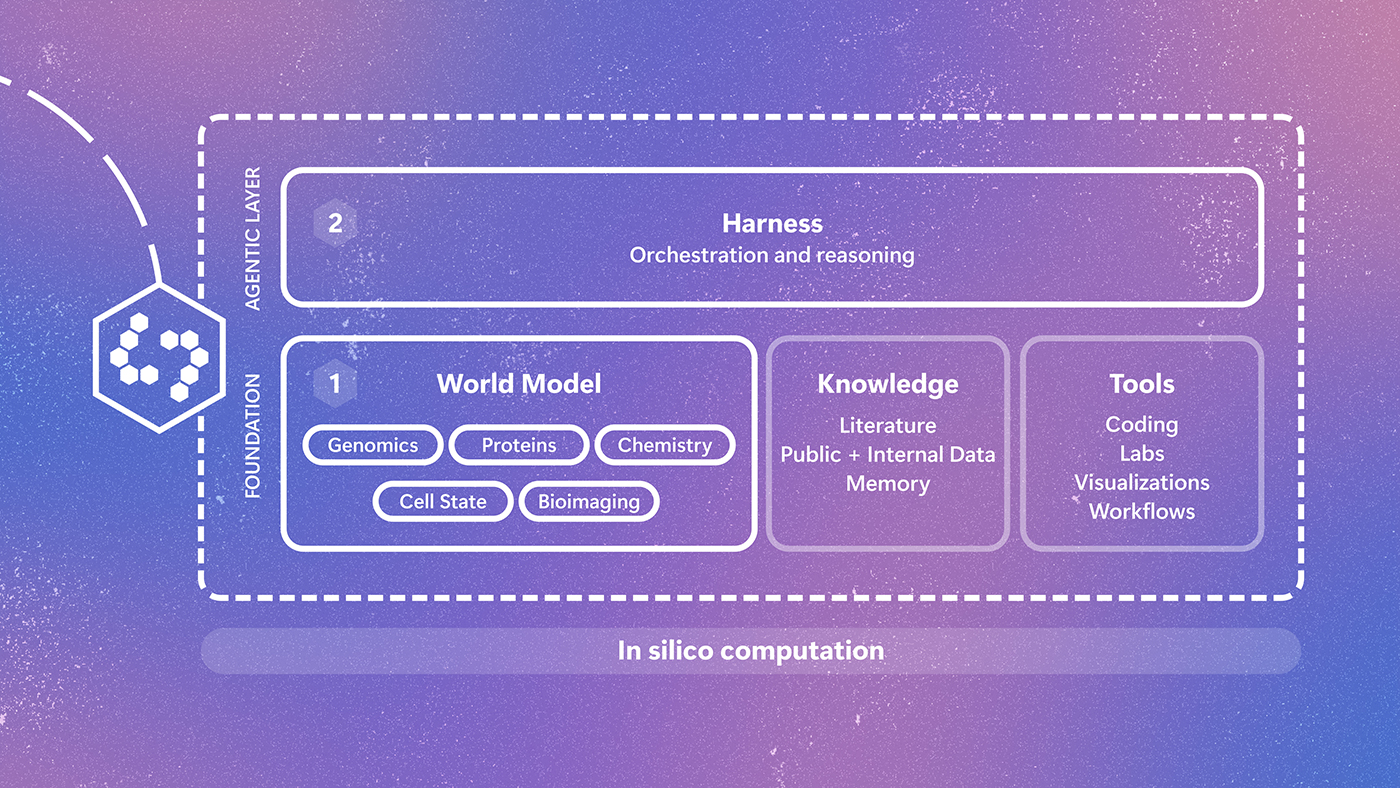
Microsoft Research has unveiled Quine, an AI-powered system designed as a biological world model for life sciences. The platform integrates diverse data types, including genomic, protein, and cellular information, into a unified knowledge framework. It features an interactive research interface that connects scientific literature, experimental tools, and researchers to streamline the discovery process.
The system acts as a decision-support tool rather than a replacement for laboratory work. By analyzing and prioritizing potential research directions, Quine helps scientists optimize experimental design. In a collaborative study with the Broad Institute of MIT and Harvard, researchers used Quine to analyze thousands of compounds for pancreatic ductal adenocarcinoma treatment.
The application of Quine significantly accelerated the research timeline, reducing a process that previously took months to just a single weekend. Beyond validating existing hypotheses, the AI identified a previously overlooked cell state, demonstrating its potential to uncover new biological principles. The system is currently limited to research use and is not intended for clinical diagnostics.
To further develop the technology, Microsoft has launched the Quine Fellows program, inviting life science researchers to test the system and provide feedback. The company aims to integrate these capabilities into platforms like Microsoft Discovery as the technology matures. Microsoft envisions such AI systems becoming essential infrastructure for future scientific innovation.



