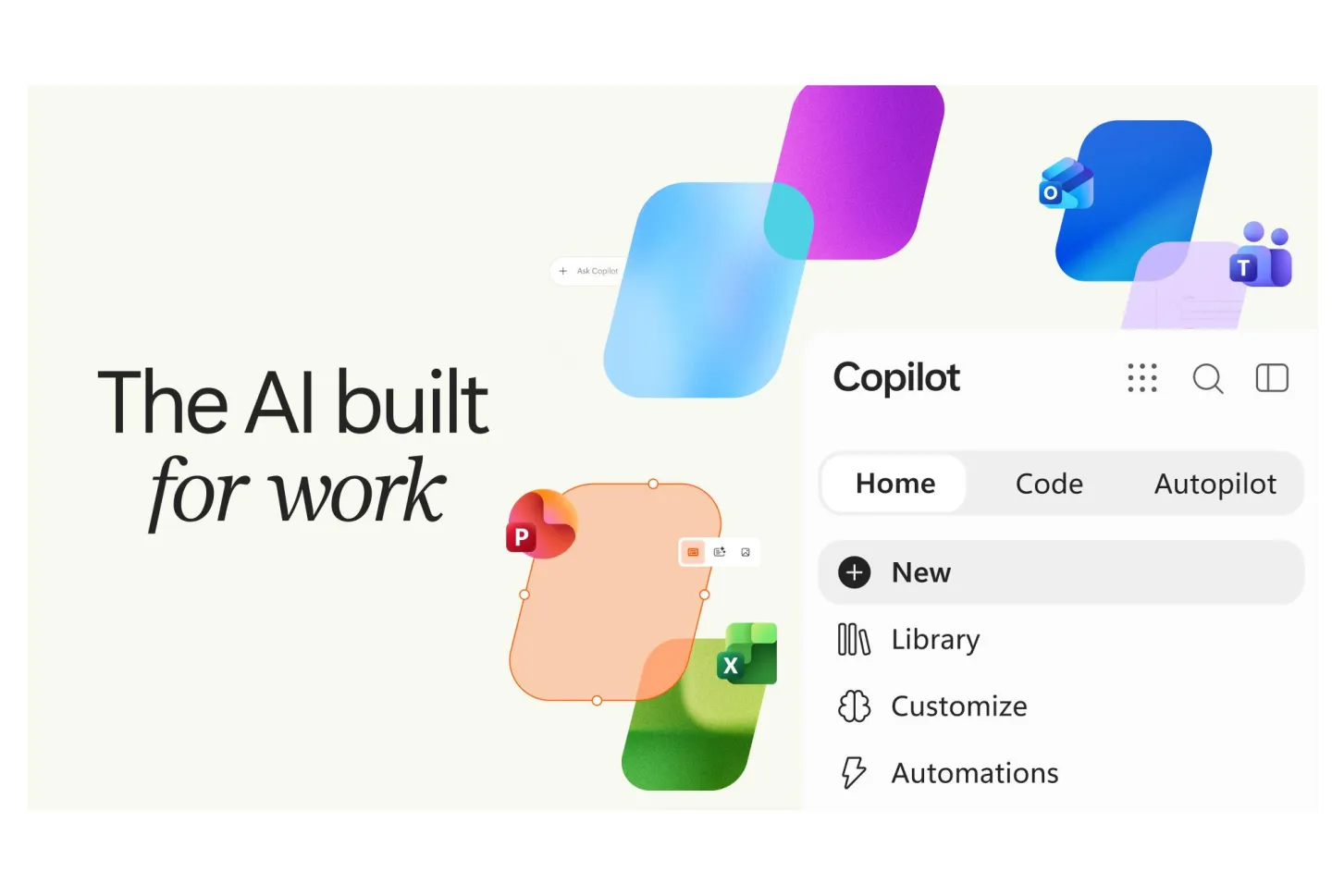
Microsoft is evolving its Copilot platform from a simple AI assistant into a comprehensive super-app. The company aims to integrate chat, software development, and task automation into a unified ecosystem that serves as a central hub for digital activities.
A key development is the new Autopilot mode, which allows the AI to autonomously plan and execute multi-step workflows based on user goals. This shifts the interaction model from manual command-based operations to result-oriented requests, where the system manages the process independently.
The company is also expanding Copilot's programming capabilities, incorporating code generation, testing, debugging, and project management features. This strategy builds on Microsoft's previous investments in GitHub Copilot, aiming to bring advanced development tools to a broader user base.
Furthermore, Microsoft plans to connect Copilot with diverse data sources, office tools, and third-party software. This integration is designed to allow users to perform complex tasks, such as data analysis and document processing, within a single interface without switching applications.
As Copilot takes on more autonomous decision-making roles, Microsoft faces challenges regarding system reliability, data privacy, and user control. The company is competing with major industry players like OpenAI, Google, Meta, and Anthropic, all of which are developing similar AI agents.