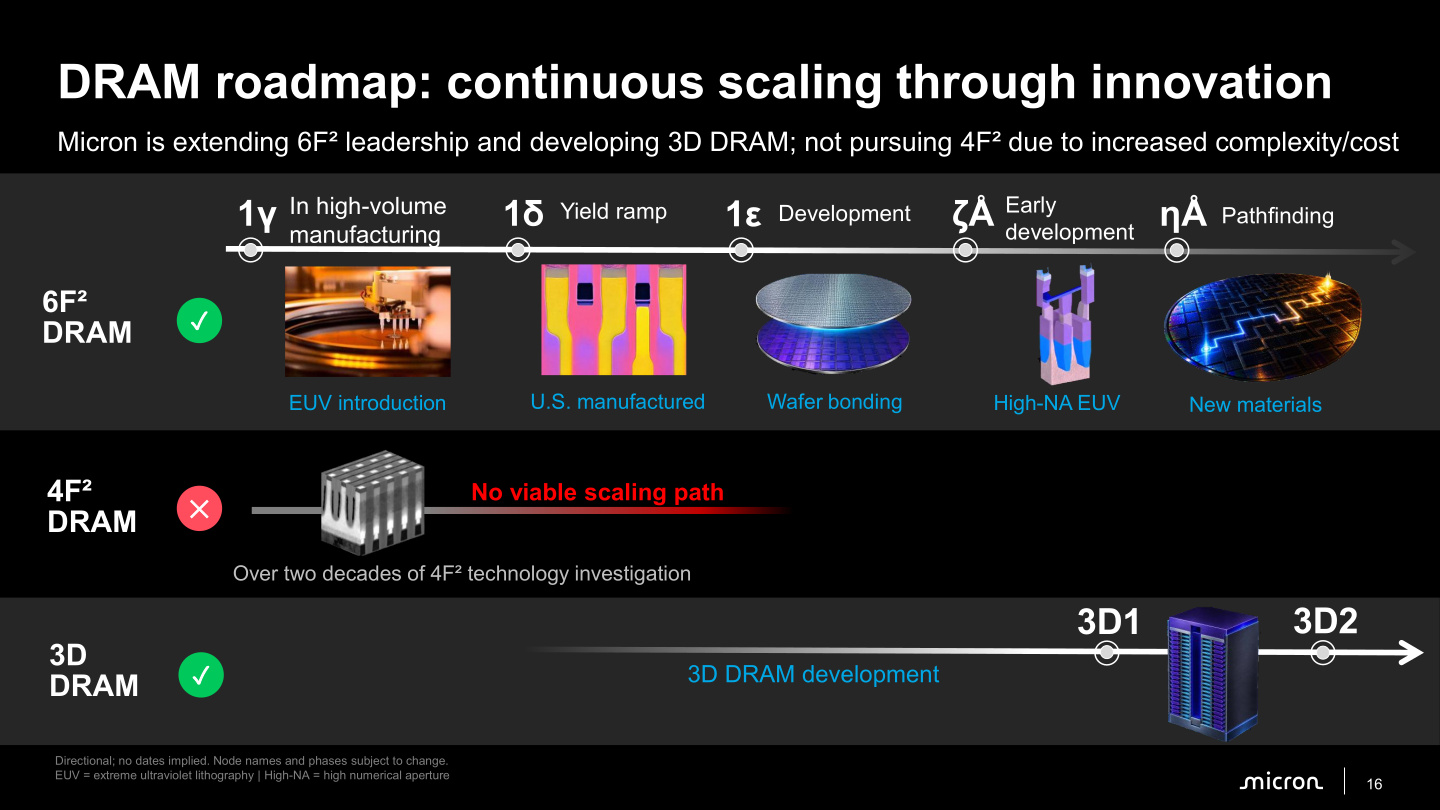
Micron Technology has officially rejected the 4F2 memory cell architecture, labeling it a dead-end technology. CTO Scott DeBoer stated that the company has evaluated 4F2 for over two decades and has no plans to integrate it into its production roadmap.
Instead of pursuing 4F2, Micron intends to continue developing the traditional 6F2 layout while focusing its long-term strategy on next-generation 3D DRAM. The company emphasizes that 3D DRAM allows for a vertical orientation of capacitors, which overcomes the physical scaling limitations inherent in planar designs.
DeBoer dismissed the perceived benefits of 4F2 as misleading, noting that the density of DRAM is primarily determined by the pitch between capacitors rather than the cell footprint alone. He added that 4F2 is both more complex and more expensive to manufacture without providing significant capacity gains.
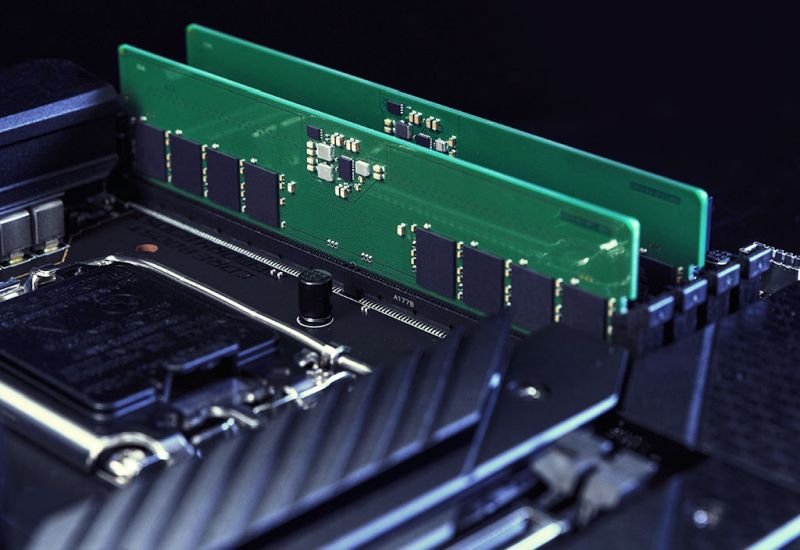
The push for 4F2 is largely driven by the Chinese manufacturer CXMT, which is currently developing DDR5 RDIMM modules using this architecture. Industry analysts suggest this move is a strategic necessity for CXMT, as the company faces strict export controls that limit its access to advanced semiconductor manufacturing equipment.
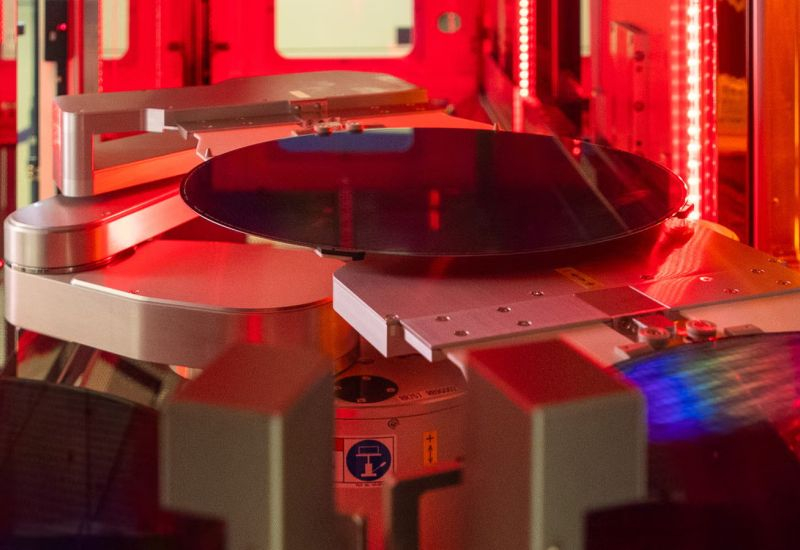
Micron maintains a competitive advantage due to its unrestricted access to EUV lithography equipment from ASML. This access allows the company to optimize its production processes between 6F2 and 3D DRAM architectures without the constraints currently impacting Chinese semiconductor firms.