According to reports from Kepler_L2, the bill of materials for the upcoming Sony PlayStation 6 is expected to be approximately $200 lower than that of Microsoft's Project Helix console. Despite this cost difference, both companies face significant financial pressure due to rising prices for memory and NAND flash storage.
Technical specifications suggest that Microsoft's next-generation console will utilize the Magnus chip, developed in collaboration with AMD. This chip is projected to deliver around 56 TFLOPS of performance, compared to the 40 TFLOPS expected from the PlayStation 6 hardware.
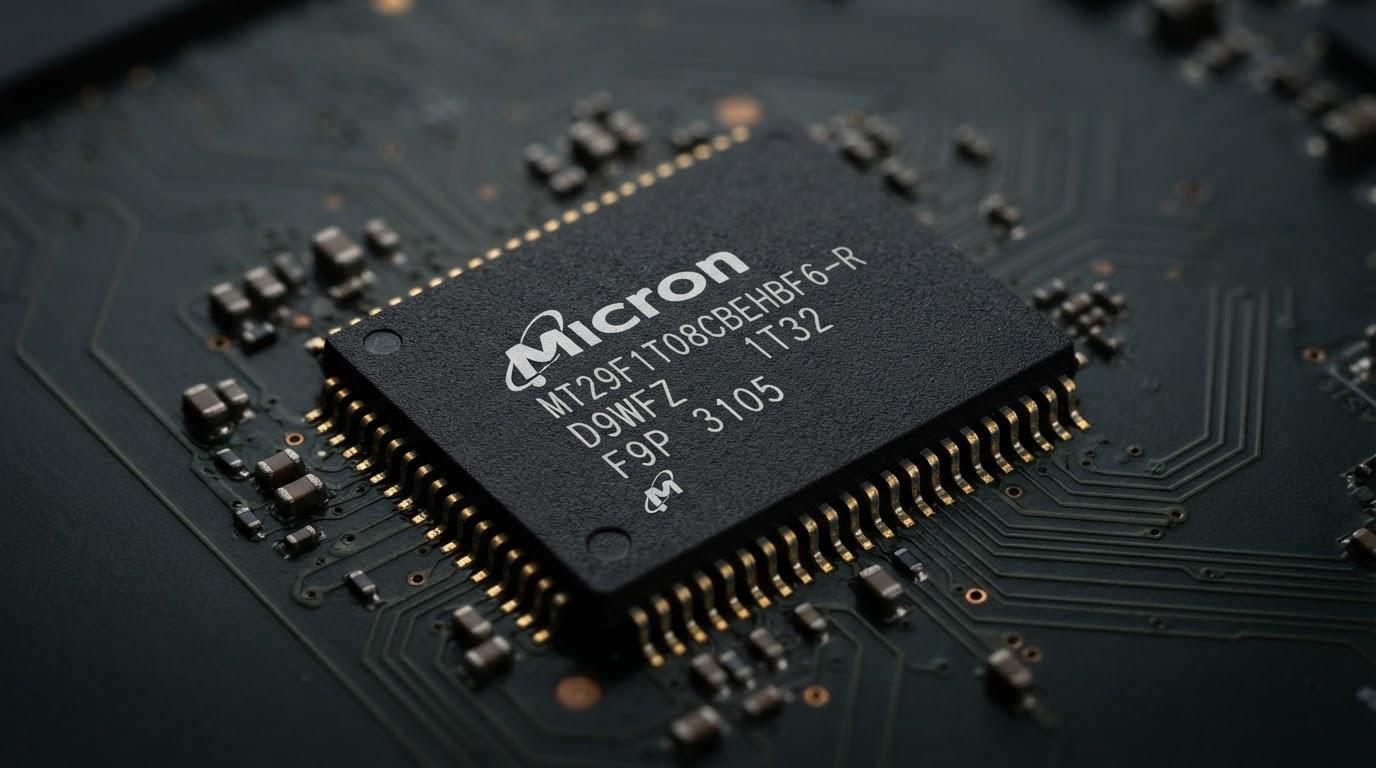
Current estimates indicate that memory and NAND flash components alone for the PlayStation 6 will exceed $680. Consequently, the final retail price for the device could surpass $1,000. Both Sony and Microsoft initially aimed to avoid such high price points during their multi-year development cycles.
Despite suggestions to delay production until memory costs stabilize, both companies have already completed the tape-out process for their respective chips. Industry rumors suggest that the next generation of gaming consoles is currently scheduled for release between late 2027 and early 2028.