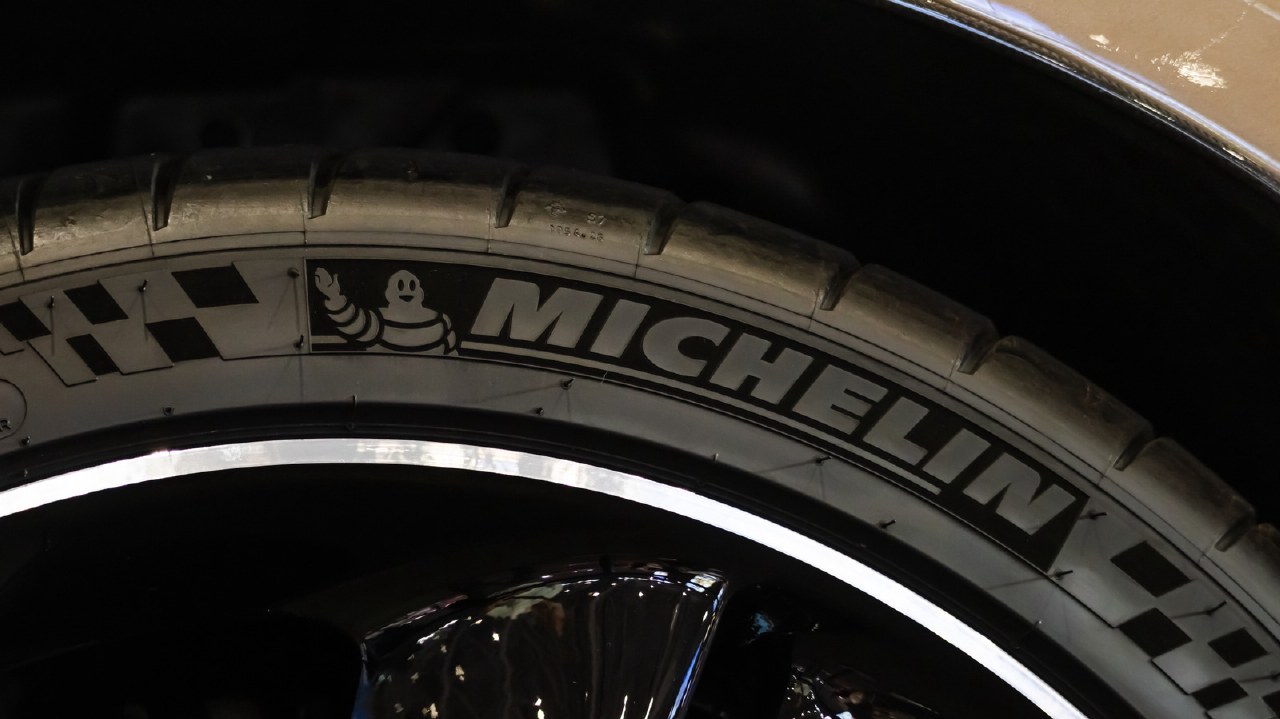
Michelin is integrating passive RFID tags into its tires to improve lifecycle management. The technology involves embedding a chip and antenna between protective rubber layers during the manufacturing process. Each tag contains a unique identifier consisting of a company prefix, product reference, and serial number, which is permanently locked after programming.
The RFID system functions without batteries, drawing power from radio waves emitted by scanning equipment. According to the NHTSA, the tags do not transmit data independently. Michelin utilizes this system to track tires through various stages, including production, inventory handling, delivery, servicing, and recycling, providing a digital record for each individual unit.
The manufacturer clarifies that these RFID tags are distinct from tire-pressure or temperature monitoring systems, which typically rely on Bluetooth Low Energy sensors. An RFID tag alone cannot report on pressure, temperature, or tread depth without additional hardware. The company emphasizes that the tags are designed to identify the tire itself rather than monitor vehicle or driver activity.
Tracking a person through these tags is described as impractical. Accessing such information would require specialized scanning equipment and entry into Michelin’s proprietary database. Furthermore, the NHTSA notes that scanning a tag does not reveal personal owner information, as the system is limited to identifying the tire's specific product data.