TechInsights reports that memory prices will remain high for the next 3–4 years due to supply constraints. Current production meets only 85% of demand, and even with new facilities coming online next year, supply is expected to reach only 90–95% of demand. Significant price stabilization is not anticipated for at least 5–6 years.
Demand for AI-related memory is projected to grow 4–6 times in the short term. Currently, over 50% of all memory production is utilized by AI infrastructure. This surge has led to a price increase of over 80% for high-demand memory types, with a persistent deficit of 10–12% in both DRAM and NAND sectors.
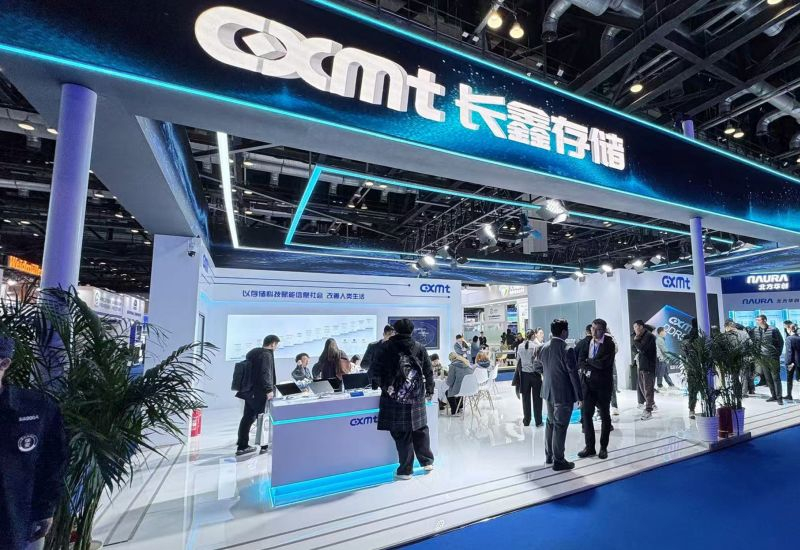
Chinese manufacturers have become major competitors. CXMT is scaling DRAM production using DUV scanners with multi-patterning, aiming to increase its global market share from 12–13% to 20–25%. Meanwhile, YMTC utilizes Xtacking and Stair-Free architectures to advance 3D NAND density, effectively catching up to Western rivals.
In the HBM3E market, SK hynix currently holds over 70% of the global share. Samsung is expected to capture 25–30% of the HBM4 market by the second half of next year. Micron has closed the technological gap in DRAM but remains dependent on TSMC for HBM4 base die production, which limits its ability to rapidly expand market share.
Capital expenditure in the memory industry currently accounts for 30–40% of revenue. Despite this, insufficient funding over the past 2–3 years means new capacity will take 1.5–2 years to impact supply. Manufacturers are prioritizing HBM production, which further constrains the supply of standard DDR memory.