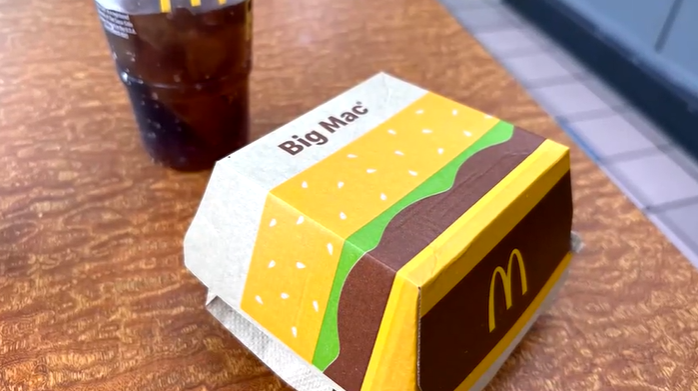
McDonald's is increasingly utilizing an AI-driven pricing engine to determine menu prices across its US and some international locations. The system analyzes millions of daily transactions from approximately 14,000 stores to generate optimal pricing based on factors like estimated customer willingness to pay and local competitor data.
The use of this tool has led to significant price variations for identical items. For instance, a Big Mac was observed to cost $5.69 at one location in Fresno, California, while another store just two miles away charged $6.89, a 21% difference. While McDonald's maintains that franchisees set their own prices, internal documents and franchisee reports suggest the company exerts pressure to follow AI-generated recommendations.
The AI pricing engine incorporates specific business rules, such as prioritizing price increases for items that have not seen a hike in two years and excluding ice cream and beverages from price increases during summer months. The system is developed in collaboration with Tiger Analytics, with McDonald's setting parameters to align with corporate goals like traffic growth and profit margins.
The strategy has created friction between the corporate headquarters and franchisees, who face rising operational costs. According to the National Restaurant Association, operating expenses for restaurants have risen 36% since 2019. While franchisees often prefer higher prices to cover these costs, the corporate office emphasizes a value-based strategy to attract low-income consumers.
The implementation of AI pricing carries potential regulatory and reputational risks. McDonald's own internal platform terms warn franchisees that using the tool could trigger antitrust scrutiny, as individual franchise locations may be viewed as competitors. Legal experts note that regulators are increasingly examining whether algorithmic pricing could facilitate illegal price coordination.