

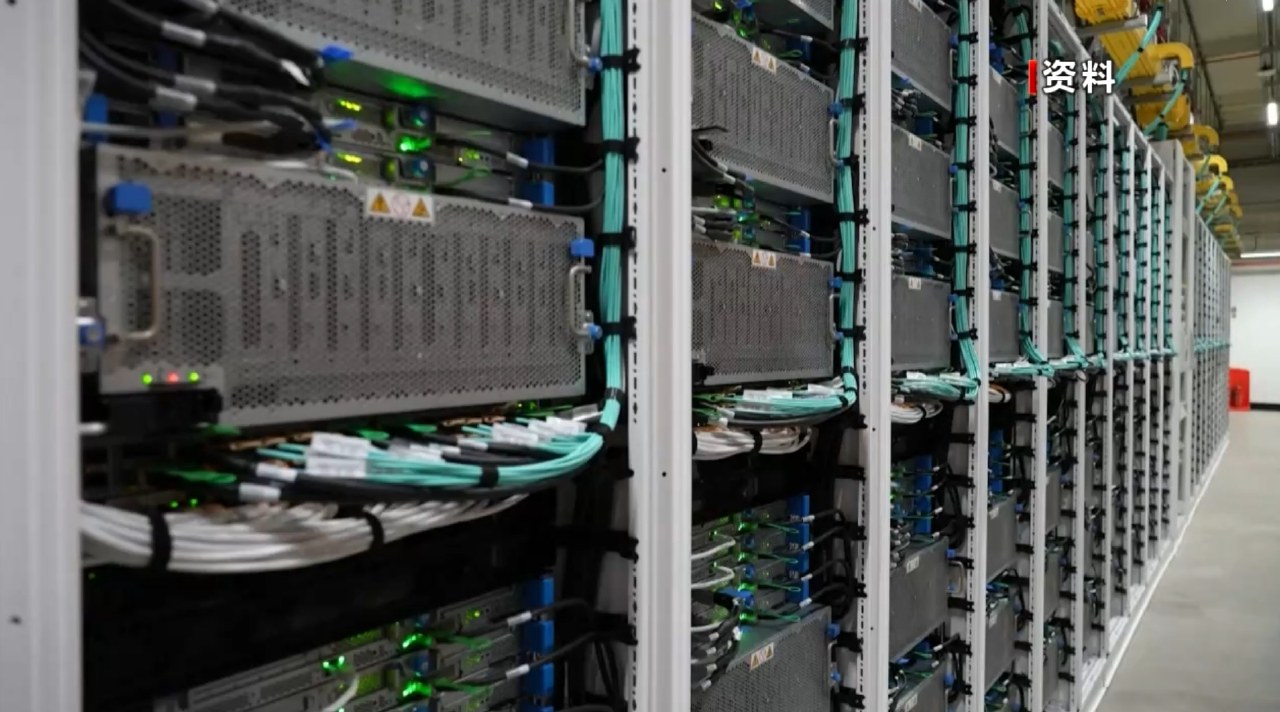
Massachusetts regulators have introduced strict energy compliance rules for large data centers to address power shortages and grid strain caused by the AI industry. New projects and expansions must now secure zero-carbon electricity through direct power purchase agreements or on-site renewable generation.
The policy explicitly prohibits the use of virtual green energy certificates that lack real-time geographic or temporal matching. Operators are required to demonstrate that their power consumption aligns with local clean energy production to ensure grid stability and meet state carbon neutrality targets.
New regulations impose mandatory thresholds for power usage effectiveness and water consumption. Data centers must implement closed-loop water recycling or advanced liquid cooling systems. Projects failing to meet these efficiency and clean energy standards will be denied grid access and construction permits.
Industry lobbyists warn that these requirements could increase capital expenditures and drive investment to states with more lenient policies. Conversely, state officials and environmental groups argue that the regulations prevent the shifting of energy costs and carbon footprints onto the public.
This move signals a broader shift in US regional policy, moving away from tax incentives toward strict grid security and energy access reviews. Massachusetts is setting a legislative precedent that other states facing similar infrastructure constraints are expected to follow.


