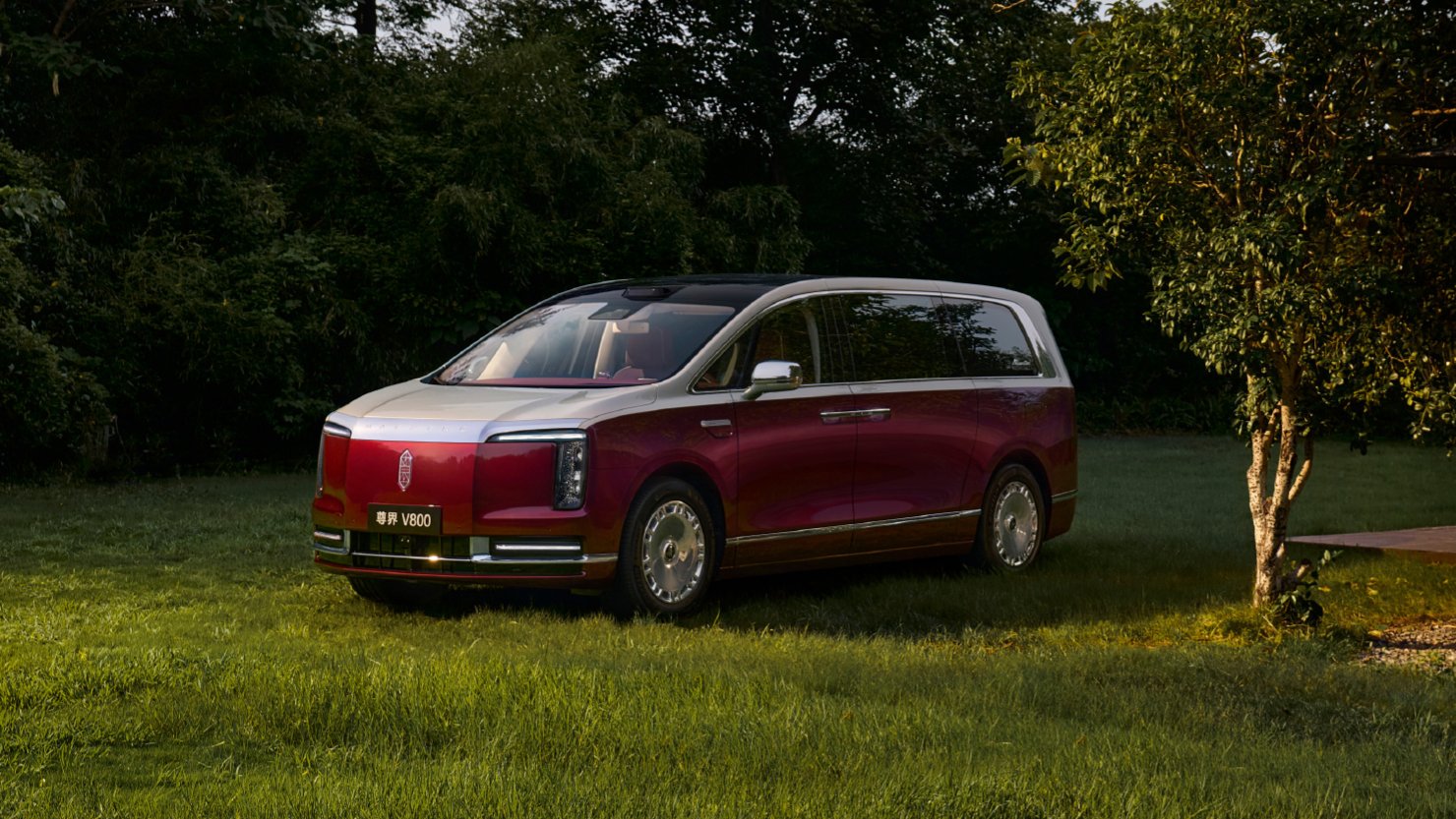
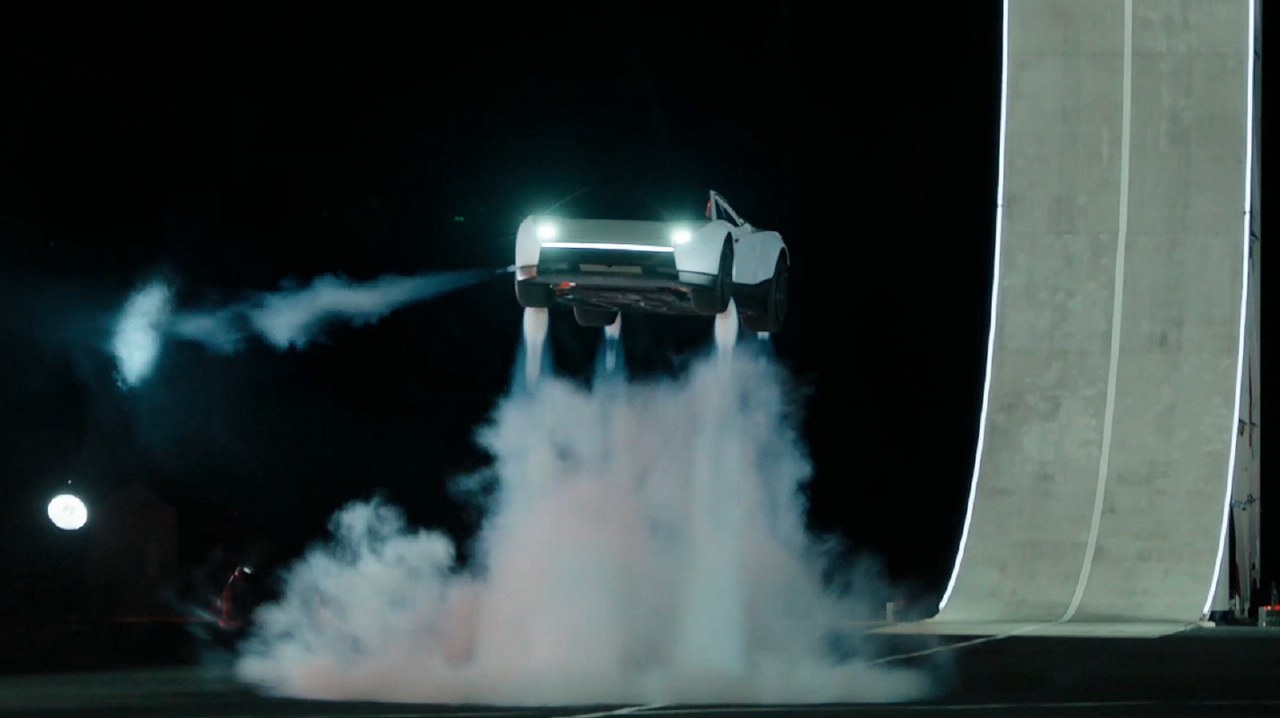
A recent test by Dongchedi involving three new Maextro V800 vehicles resulted in the brake pedal brackets breaking during emergency braking maneuvers from 100 km/h. The test revealed identical fracture patterns across all three units, with the brackets constructed from polypropylene reinforced with glass fiber.
The test sensors recorded a peak force of 4589N, though some analysts suggest this figure may reflect internal energy release upon breakage rather than the driver's actual input. Industry standards, such as QC/T 788, require pedal assemblies to withstand a static load of 2000N plus or minus 50N without damage.
While standard emergency braking typically involves forces between 400N and 600N, and human physiological limits for a single-foot stomp peak around 2500N, critics argue that luxury vehicle designs should incorporate higher safety margins. Some luxury brands target structural integrity at loads of 2700N to 3000N.
The incident has drawn comparisons to a 2020 Ford Mustang recall, where 2627 vehicles were recalled due to polypropylene brake pedal brackets failing under emergency conditions. Other historical precedents include safety concerns regarding pedal strength in vehicles like the Kia Mohave and Nio ES6.
The failure of the brake pedal bracket is classified as a D-level safety hazard in automotive engineering, which typically necessitates a recall if the defect is found to be systemic. As of now, Maextro has not issued an official response regarding the test results or the structural integrity of the V800.