

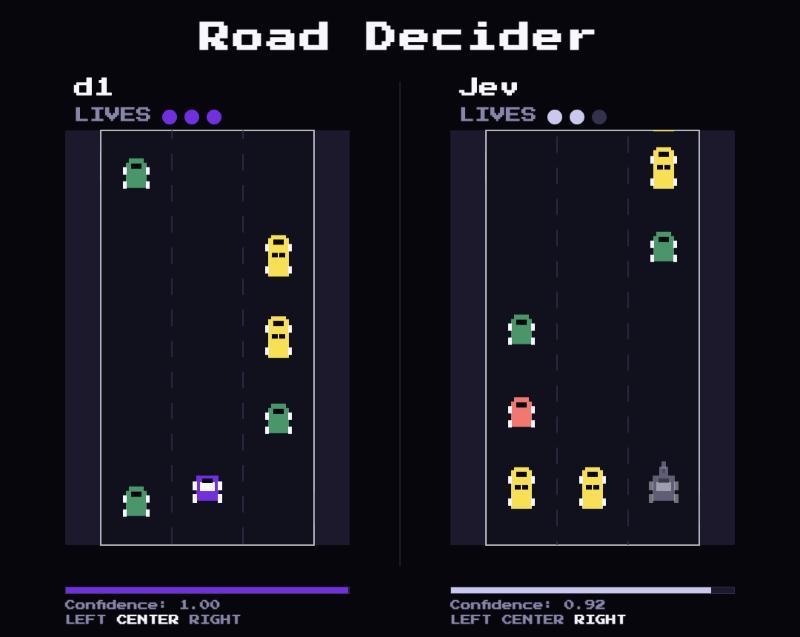
Liquid AI has introduced d1, a new decision-making model designed to output structured data rather than generating text. Unlike traditional LLMs, the model returns zero output tokens, providing results in a structured format with associated probabilities for specific choices.
The model supports three primary query types: Noul for binary yes-or-no questions, Choice for selecting from multiple options, and Score for evaluating objects on a scale. Users can combine these types in a single API call to perform tasks like ticket classification, routing, and priority assessment simultaneously.
By returning typed values directly, the model eliminates the need for parsing JSON outputs from standard LLMs. For ambiguous cases, d1 provides confidence scores and probability distributions, allowing developers to route uncertain queries to larger models or human reviewers for further analysis.
In internal benchmarks using the Decision Index 0.2.1, Liquid AI reported that d1 achieved a score of 58.9, compared to 57.9 for the Jev 1.13 model. While d1 outperformed Jev in categories such as Arts, Language, and Retrieval, it trailed in Tools and Knowledge. These results are currently based on internal testing.
Liquid AI has not disclosed the architecture, parameter count, or weights for the d1 model. The model is currently accessible via the company's API under the name 'd1:free', and the developer has provided documentation to assist with migrating existing workflows from standard LLMs to this new decision-focused framework.



