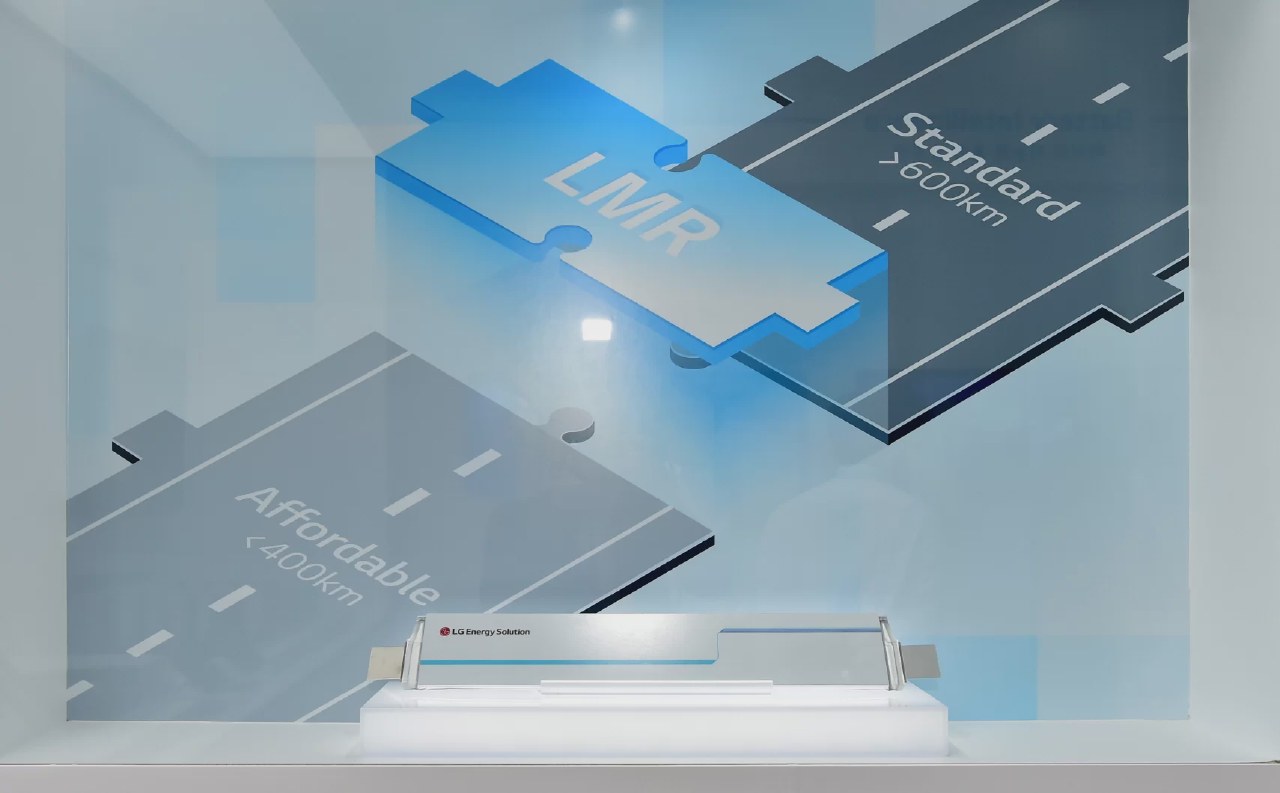
The research team analyzed gas formation and capacity loss in the cells, publishing their findings in Nature Communications. LMR cathodes use manganese and nickel without cobalt, utilizing oxygen in the energy-storage process to achieve high energy density and lower costs.
To address structural damage and gas generation caused by incomplete oxygen recovery, the team tested various voltages. Reducing the upper charge cut-off voltage from 4.6 to 4.3 volts increased oxygen recovery from 86 to 97 percent.
Lowering the discharge cut-off voltage from 3.0 to 2.0 volts also nearly fully restored oxygen. LG Energy Solution applied these adjustments to 40-Ah-class LMR cells, using lower temperatures during the formation process to further minimize gas production.
The optimized cells maintained 92.2 percent of their original energy after 883 charge and discharge cycles. The company has not yet disclosed energy density, charging power, or a timeline for series production.
This development comes as LG Energy Solution's market share for electric and hybrid vehicle batteries fell from 9.6 to 8.6 percent in the first half of 2026, according to SNE Research. CATL and BYD currently hold a combined 54.3 percent of the market.