JET Charge is facilitating the transition of heavy vehicle fleets to electric power in Australia. CEO Tim Washington notes that rising diesel costs make electrification a financial necessity for logistics operators. The company is currently seeing five-year electrification plans being compressed into 18 months due to lease cycles and potential future grid congestion.
For a fleet of 100 heavy vehicles, the transition could result in savings of up to AUD 4.5 million. JET Charge reports that the payback period for charging infrastructure is typically measured in months. The company emphasizes that businesses failing to secure infrastructure now may face delays until 2027 or 2028 due to limited power access and competition from data centers.
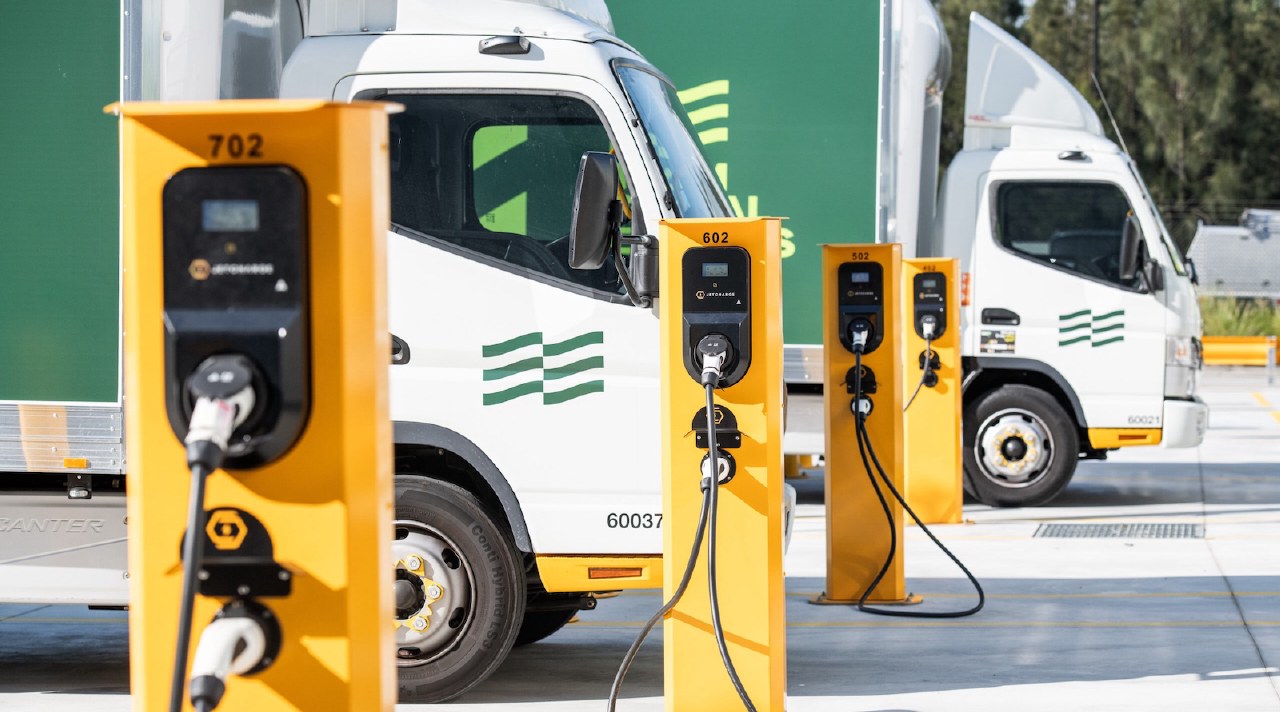
The company has partnered with IKEA to deploy 59 chargers across 7 locations in Australia. This infrastructure supports over 100 electric delivery vehicles operated by partners such as ANC Delivers, Kings Transport, and All-Purpose Transport. IKEA increased its zero-emission deliveries from 5% in 2022 to 83% by October 2025.
JET Charge is also collaborating with NewVolt to electrify key freight corridors. The company advocates for private charging infrastructure to cover 70% of fleet needs. Tim Washington highlights that current diesel prices have reached AUD 2.60 per liter, creating significant pressure on logistics margins and driving the urgent need for fleet electrification.