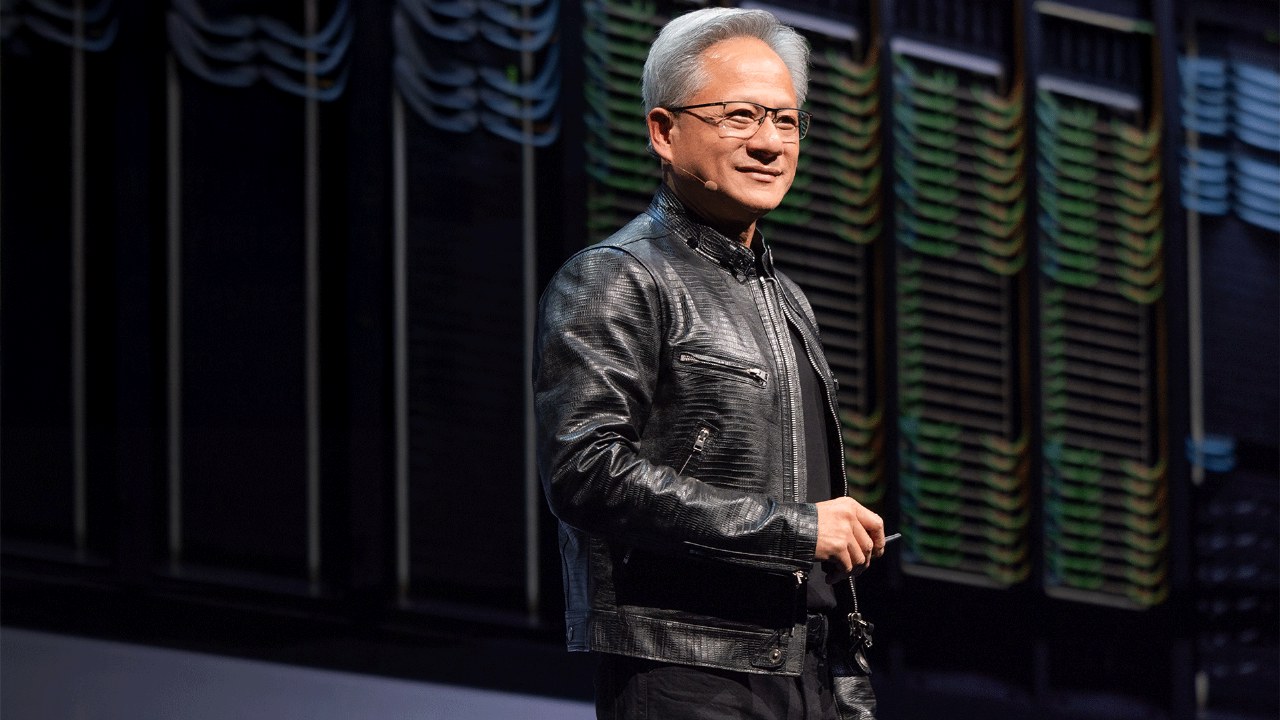
Nvidia CEO Jensen Huang suggests that China could develop its own advanced lithography systems by 2030. Currently, the leading Chinese manufacturer, Shanghai Micro Electronics Equipment (SMEE), produces 193-nm ArF dry scanners for 90nm-class process technology.
Reports indicate that Shanghai Aishengna Electronic Technology Group, an affiliate of SMEE, has delivered an immersion scanner potentially capable of 28nm-class production. However, these tools require extensive qualification, making mass-market deployment before 2028 or 2029 unlikely.
Even if China achieves 28nm immersion capabilities, it remains significantly behind the current standards set by ASML. Furthermore, China faces even greater challenges in extreme ultraviolet (EUV) lithography, as it has yet to assemble a prototype EUV scanner.
Developing production-quality EUV systems requires mastering complex technologies, including wafer and reticle stages, alignment, and projection optics. While China is actively pursuing technological self-sufficiency, industrializing these capabilities remains a significant hurdle.