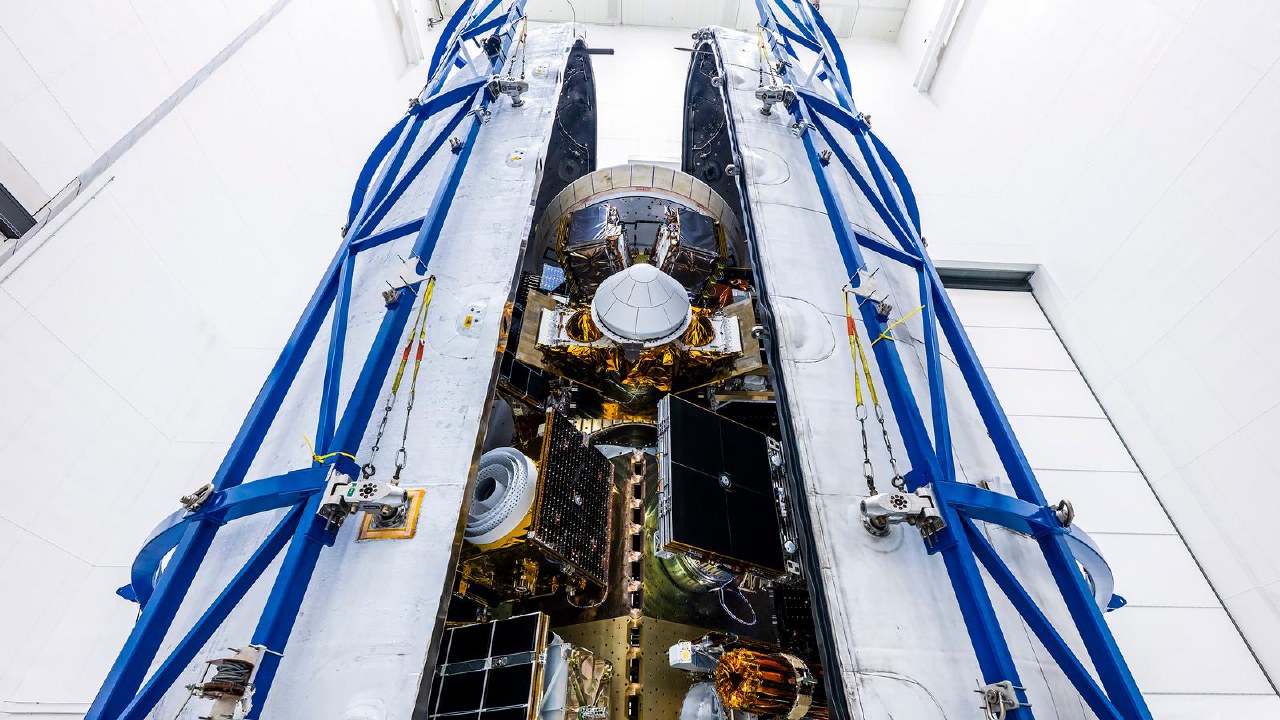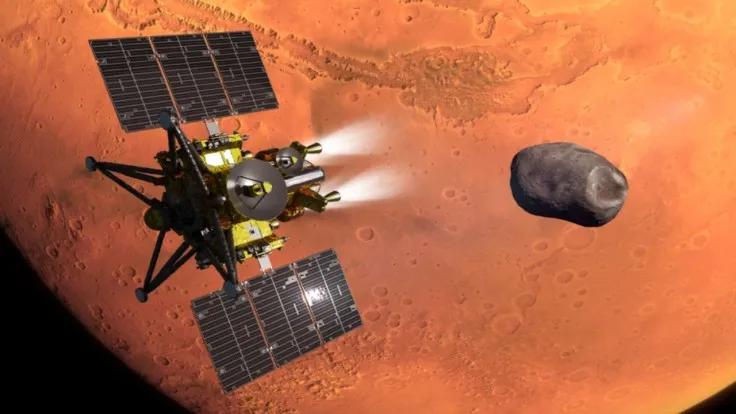
The MMX spacecraft will utilize a pneumatic sampler developed by Honeybee Robotics, a subsidiary of Blue Origin, with support from NASA. This system uses high-pressure nitrogen pulses to lift loose surface particles into a collection chamber, overcoming challenges posed by the moon's low gravity.
The mission also includes a second sampling device created by JAXA, designed to extract material from deeper layers. The primary goal is to collect approximately 10 grams of regolith to determine whether Phobos and Deimos are captured asteroids or debris from a massive impact on Mars.
NASA is set to receive 15% of the collected samples for analysis at the Johnson Space Center in Houston. These materials will be examined to clarify the chemical composition and origin of the Martian moons.
The launch of the MMX mission is scheduled for October 19, 2026, at 15:41 US Eastern Time from the Tanegashima Space Center using an H3 rocket. The launch window remains open until November 7, with the spacecraft expected to reach Mars in August 2027.
Operations on the surface are slated to begin no earlier than December 2028. The mission plan concludes with the return of the sample capsule to Earth in 2031.