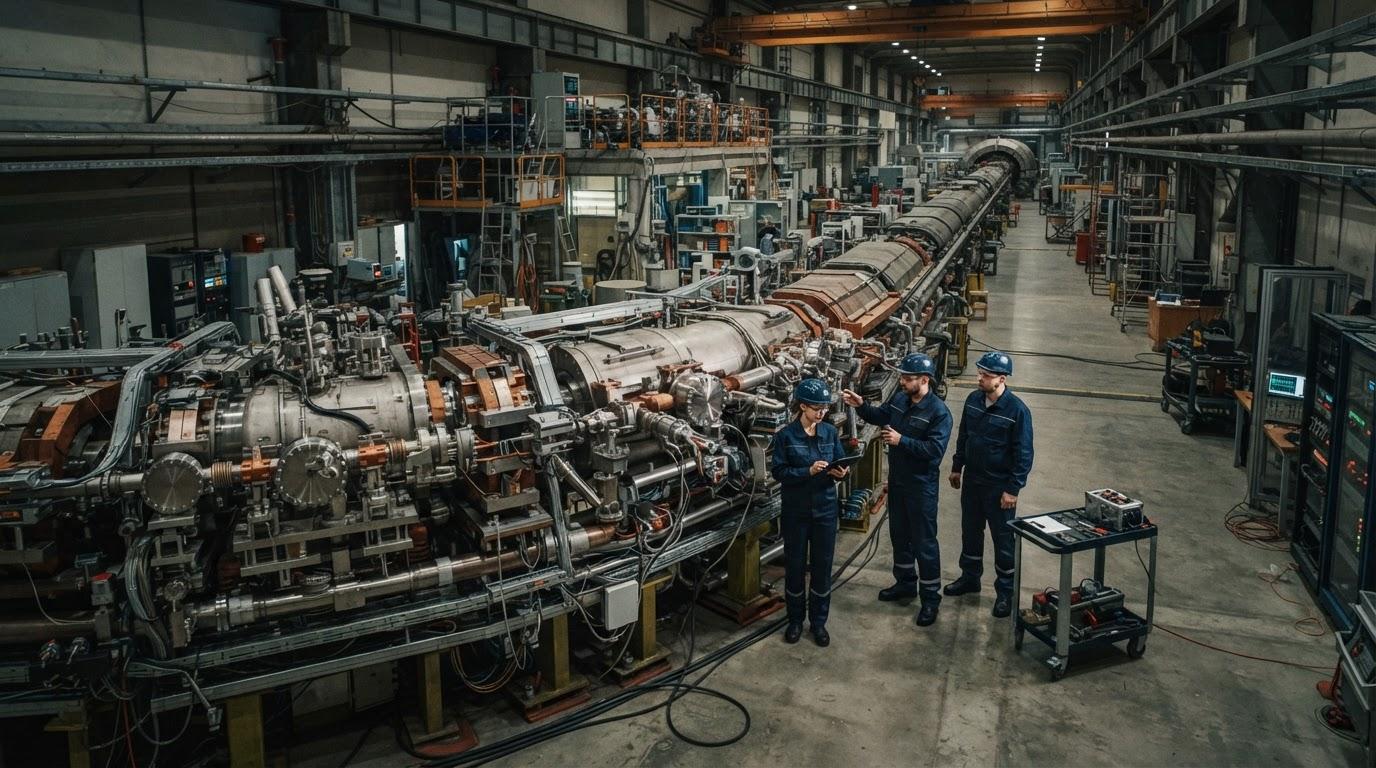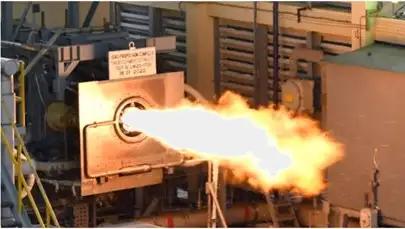
The Indian Space Research Organisation (ISRO) conducted the first fire test of a full-scale gas generator for the LME1100 engine on October 9, 2026. This liquid oxygen and methane engine features a thrust of 1100 kN and is intended for the upcoming NGLV launch vehicle. The agency aims to complete an integrated version of the engine by mid-2027.
Development of the LME1100 began in 2023, with over 70% of its components produced using additive manufacturing. ISRO is currently conducting qualification tests for the gas generator, following preliminary trials on a sub-scale model and combustion chamber. Additionally, the organization is testing liquid oxygen and methane turbopumps to ensure system reliability.
ISRO initiated its methane engine program in 2019, starting with the LM20-TD demonstrator. The agency views methane as a cleaner alternative to traditional hydrocarbons, which could simplify the maintenance of reusable rocket stages. Furthermore, the fuel's potential for production on Mars aligns with long-term interplanetary mission goals.
Beyond the LME1100, ISRO has finalized the design for the LME2400 engine, which generates 2400 kN of thrust. Unlike the gas-generator cycle used in the LME1100, the LME2400 utilizes a full-flow staged combustion cycle. This engine is slated to power a heavy-lift launch vehicle designed for India's crewed lunar expedition, targeted for 2040.