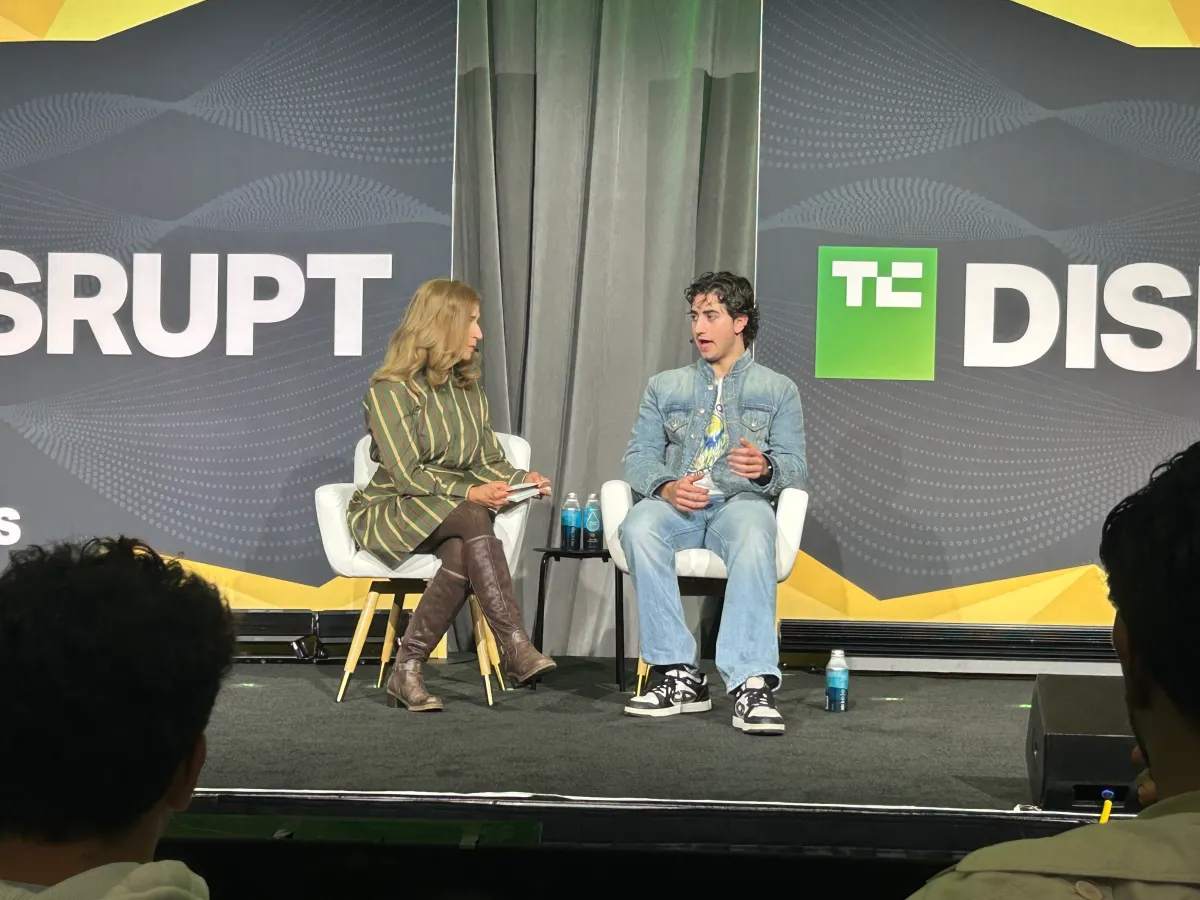
Tucker Bryant, a former Google project manager, launched ChatTJB in April 2026 as an art project. The service functioned as a chat interface where users submitted questions, but instead of an LLM, responses were written by Bryant himself and later by volunteers.
To promote the project, Bryant placed a large billboard in San Francisco, advertising ChatTJB as a leading AI interface, where 'AI' stood for 'Average Individual'. This marketing move led to a surge in popularity, with the service receiving over 100,000 requests and peaking at more than 5,000 questions per hour.
The project's growth attracted a significant number of volunteers. By the time Fortune reported on it, there were over 10,000 volunteers in queue, with the list growing by approximately 1,000 people per day. Eventually, more than 15,000 people applied to act as 'Average Individuals' to assist users.
The project aimed to highlight 'cognitive surrender,' a term coined by Bryant's girlfriend to describe the tendency of people to delegate decision-making to AI. This was supported by a 2026 study by Wharton professors Stephen Shaw and Gideon Nav, which found that users relying on AI performed 15 percentage points worse when the model made mistakes compared to those without AI assistance.