Huawei executive Yu Chengdong confirmed that the company is integrating LogicFolding technology, based on the Tao (τ) law, into its latest mobile processors. This approach involves vertically stacking chip logic layers and utilizing high-density interconnections to reduce latency and shorten critical paths.
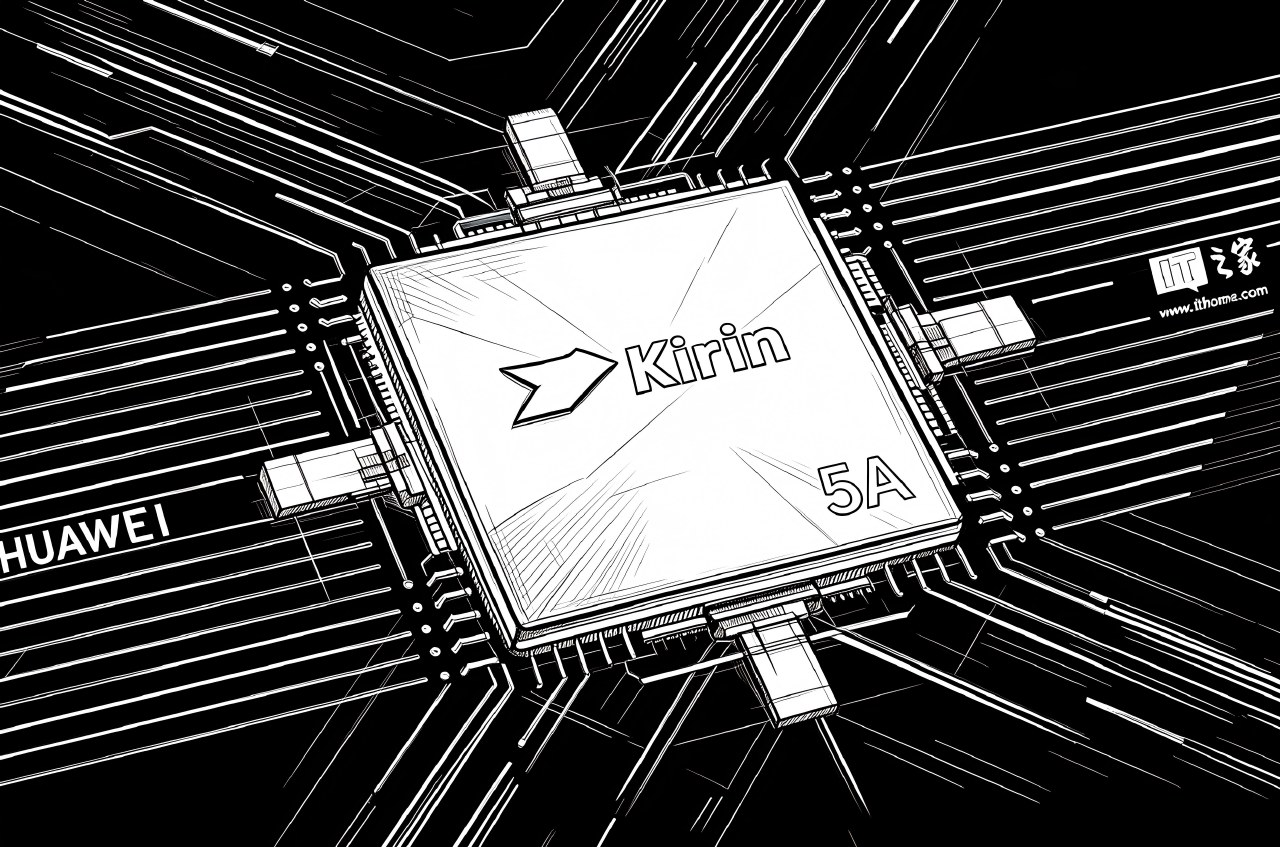
The Kirin 9050 Pro chip, featured in the Mate 90 series, delivers a 31% performance increase over previous generations. The processor includes proprietary components such as the Balong modem, ISP, MSP, Lingxi CPU, Maleoon GPU, and an NPU based on the Da Vinci architecture.
The Tao law, introduced by Huawei semiconductor president He Tingbo in May 2026, serves as a new development principle for the industry. According to this roadmap, chip performance is expected to scale steadily, with P-core frequencies reaching 3.1GHz in 2026 and 5.0GHz by 2031.
Huawei plans to expand the use of LogicFolding chips across its future smartphone lineup, starting with the Mate XT 2 model. The company aims to increase production capacity to support both domestic and international markets with more advanced hardware solutions.