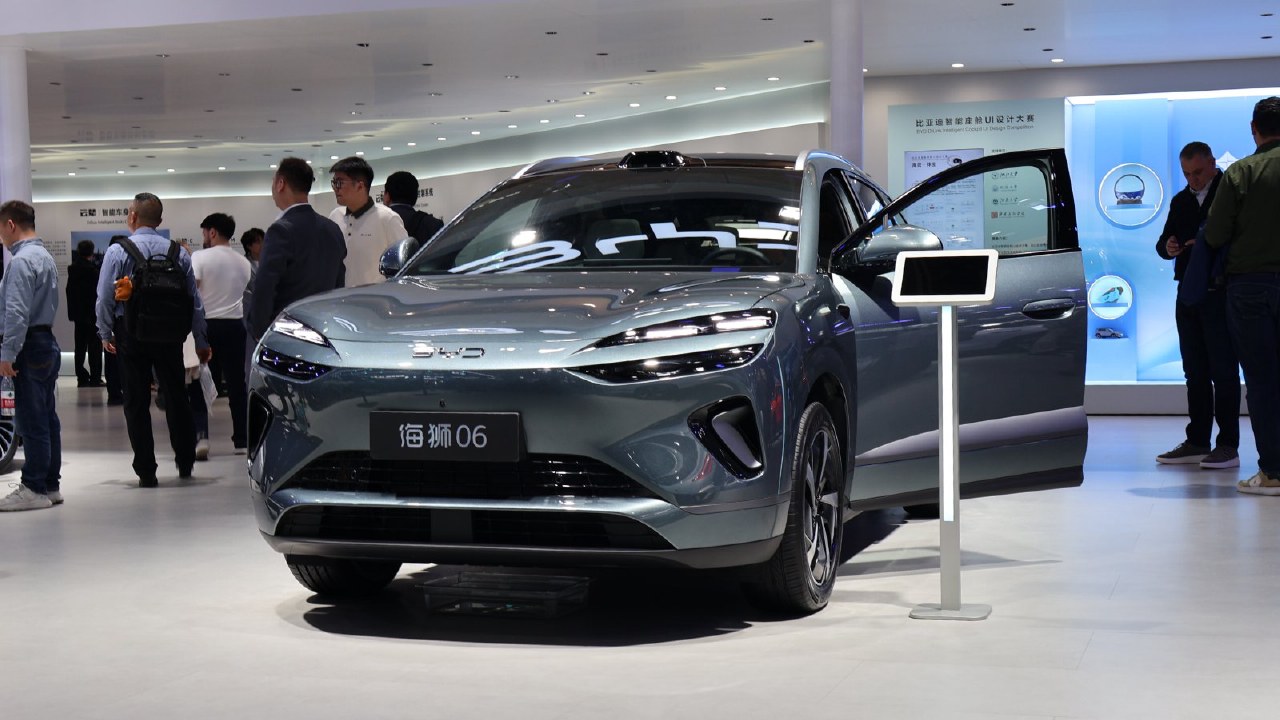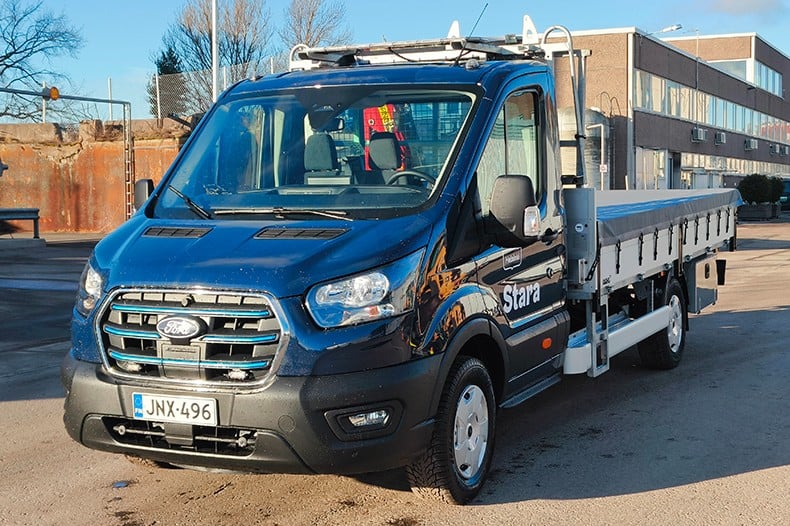
Helsinki has updated its municipal vehicle procurement criteria for 2026–2030, mandating a transition to battery-electric vans and minibuses. The new requirements, approved on 14 September by City Chancellery Director Jukka-Pekka Ujula, apply to the city's own fleet and contracted transport services.
The city procures approximately 92 vans and minibuses annually via leasing, with costs totaling about €3,6 million. Officials estimate the price difference between electric and combustion-engine models at €11 000 per vehicle. The municipal fleet currently includes around 1 300 vehicles.
For passenger transport services, such as taxis, only fully electric vehicles will be permitted, replacing the previous 50 grams of CO2 per kilometer limit. Operators must complete this transition by 2028. Freight and minibus services must ensure at least 50 percent of their fleet and mileage are electric.
If no suitable electric model is available for a specific use case, the city may permit combustion engines, provided they run on biogas or HVO. For heavy-duty vehicles, conventional diesel is now prohibited, with requirements shifting toward electricity, hydrogen, or renewable fuels. The policy will be reviewed in 2030.