A recent study from Harvard University’s Salata Institute for Climate and Sustainability projects that electric vehicles will account for 38% of new car sales in the United States by 2030. This figure represents an upward revision from an initial estimate of 32% published in July 2026.
The research highlights that the elimination of the 7,500 USD federal tax credit under the One Big Beautiful Bill (OBBA) is the primary policy factor reducing potential EV adoption. Without this legislative change, the study estimates that EV market share could have reached 48% by 2030.
Despite policy shifts, the projected 38% share marks a significant increase from the 8% recorded in 2025. Analysts attribute this growth to improvements in battery technology, lower upfront vehicle costs, and the expansion of public charging infrastructure across the country.
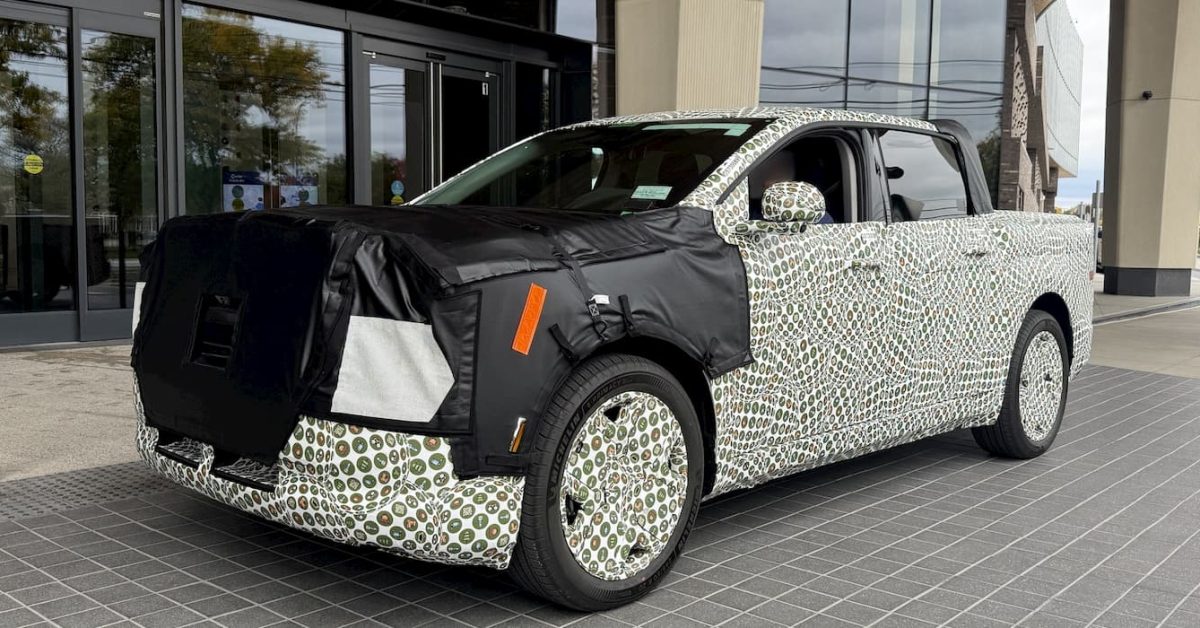
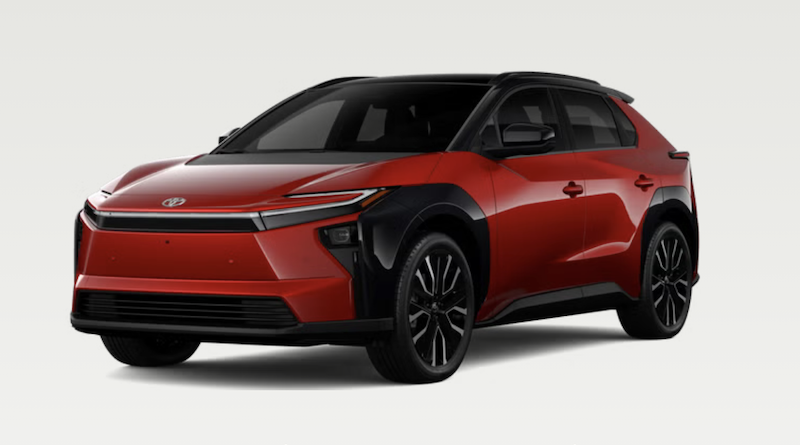
The report also notes the role of legacy automakers in sustaining the market. Companies such as Subaru and Toyota have introduced new EV models this year, while Ford is preparing for the production of its Fathom electric pickup truck, which is expected to retail for under 30,000 USD.
Legal developments have also influenced the sector, specifically the court-ordered continuation of the 5 billion USD National Electric Vehicle Infrastructure (NEVI) program. This initiative, which supports the development of a national fast-charging network, had previously faced a temporary halt.