

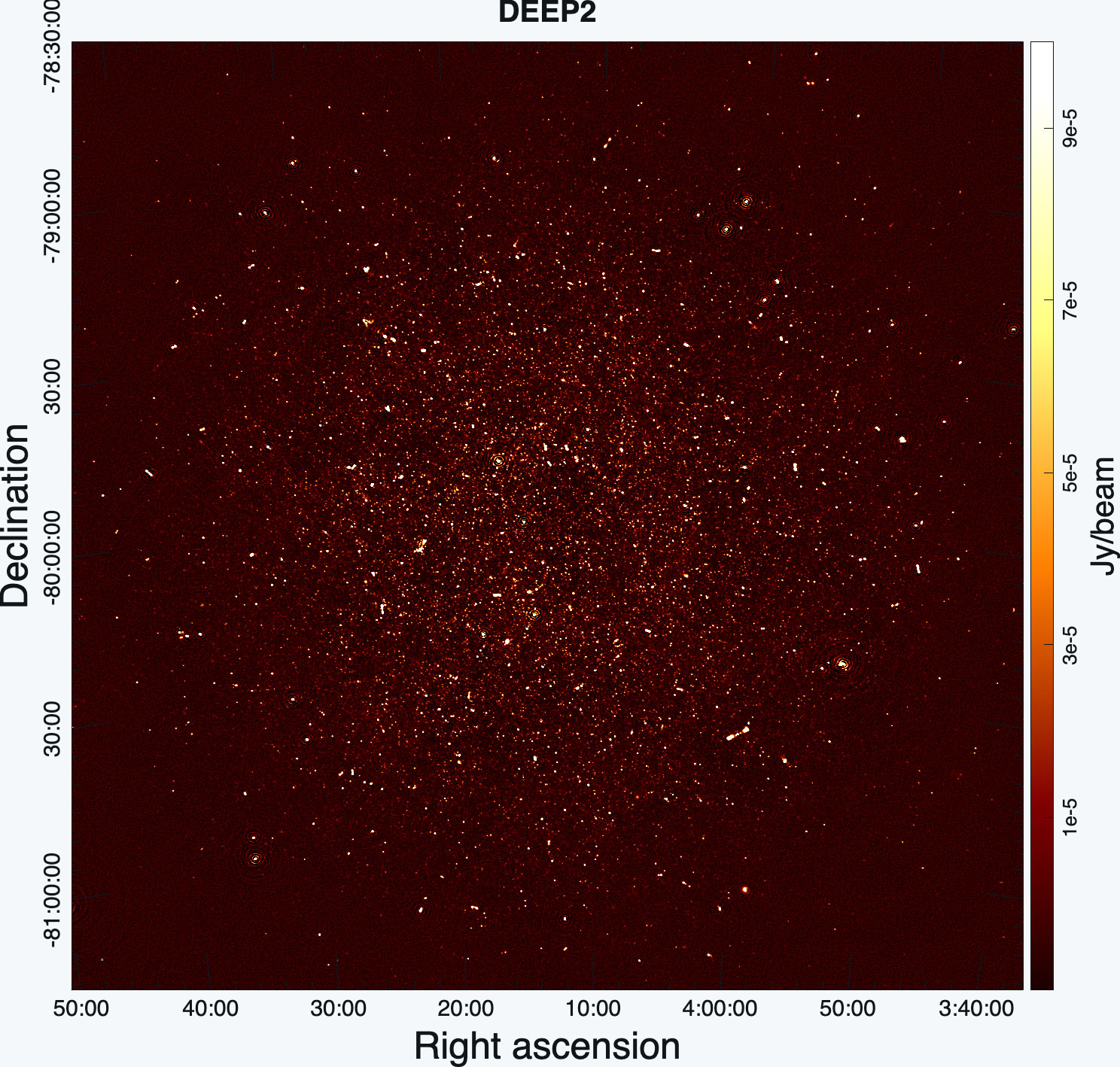
An international team of astronomers has detected weak neutral hydrogen radio signals from a galaxy located billions of light-years away. This achievement sets a new record for the longest distance at which such signals have been observed, providing insights into the gas reserves available during the early stages of galaxy formation.
To overcome the limitations of current radio telescopes, researchers utilized the gravitational lensing effect. A massive galaxy or cluster positioned in the foreground acted as a natural lens, bending and magnifying the radio signals from the distant target. This allowed the team to capture the faint 21-centimeter hydrogen line radiation that would otherwise be undetectable.
By analyzing the redshift of the detected spectrum, the team determined the specific evolutionary period of the galaxy and calculated its total neutral hydrogen mass. Data indicates that the galaxy possessed significantly larger gas reserves than modern galaxies of similar size, supporting theories about intense star formation activity in the early universe.
This observation validates the use of gravitational lensing to extend the detection range of radio telescopes. The methodology serves as a scientific reference for the upcoming Square Kilometre Array (SKA) project, which aims to systematically study how galaxies accumulated gas and fueled star formation over hundreds of millions of years.



