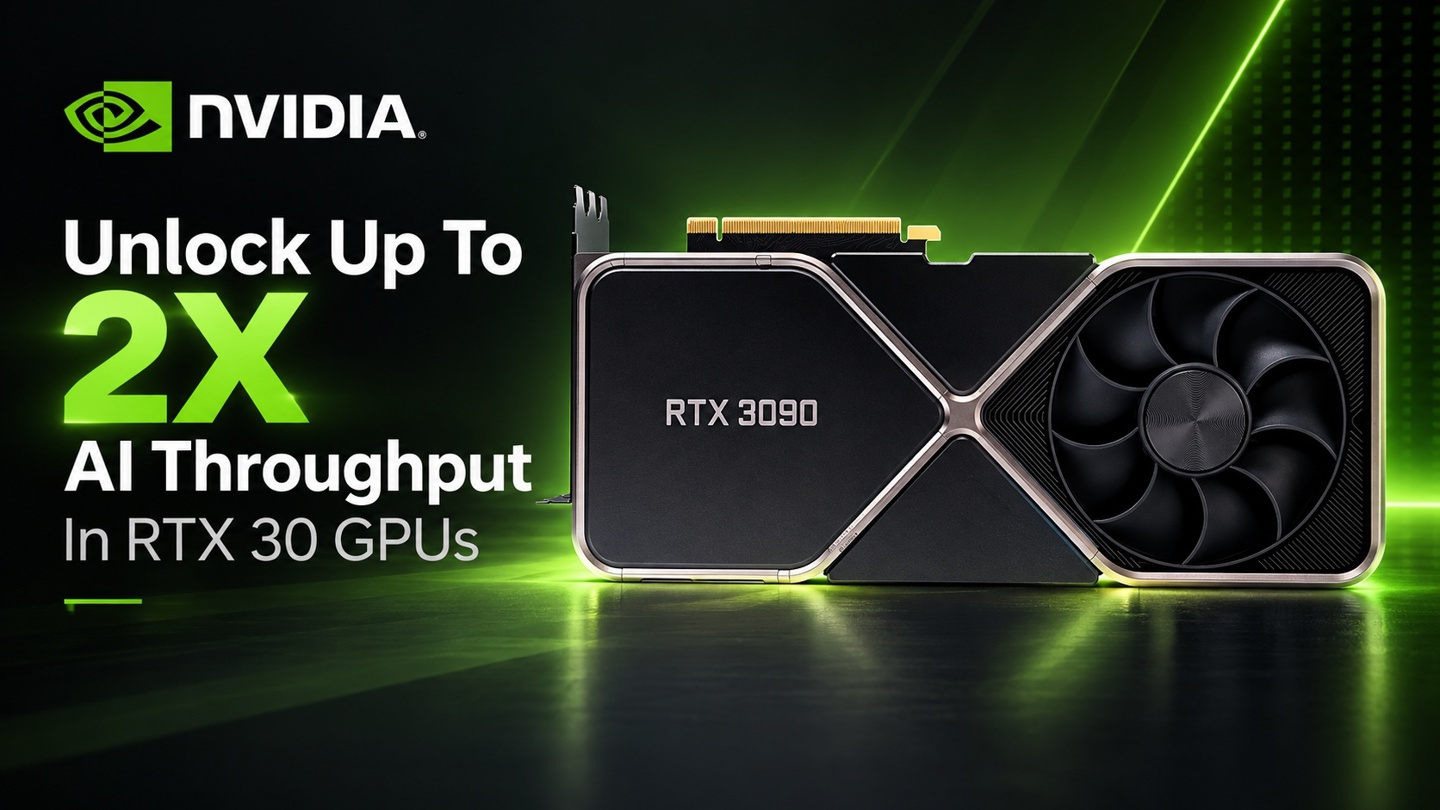
The open-source project GPU Unlock, developed by GitHub user Zagitta, removes artificial performance restrictions on Nvidia GeForce RTX 30 series graphics cards. By modifying hardware speed registers via a Linux kernel module, the tool increases tensor core throughput for specific FP16/BF16 operations without requiring VBIOS flashing or driver patching.
The project supports GA102, GA103, GA104, and GA106 GPU models. Performance gains vary by workload; for instance, an RTX 3080 Ti saw BF16 throughput rise from 71.59 TFLOPS to 113.98 TFLOPS. In AI tasks like ComfyUI, users reported throughput improvements of over 56% for specific image generation models.
The tool does not increase memory bandwidth or CUDA core counts, meaning performance gains are limited to specific compute-heavy tasks. LLM inference tests showed a 33% increase in prompt processing for the RTX 3090, while token generation speeds remained largely unchanged due to memory bandwidth bottlenecks.
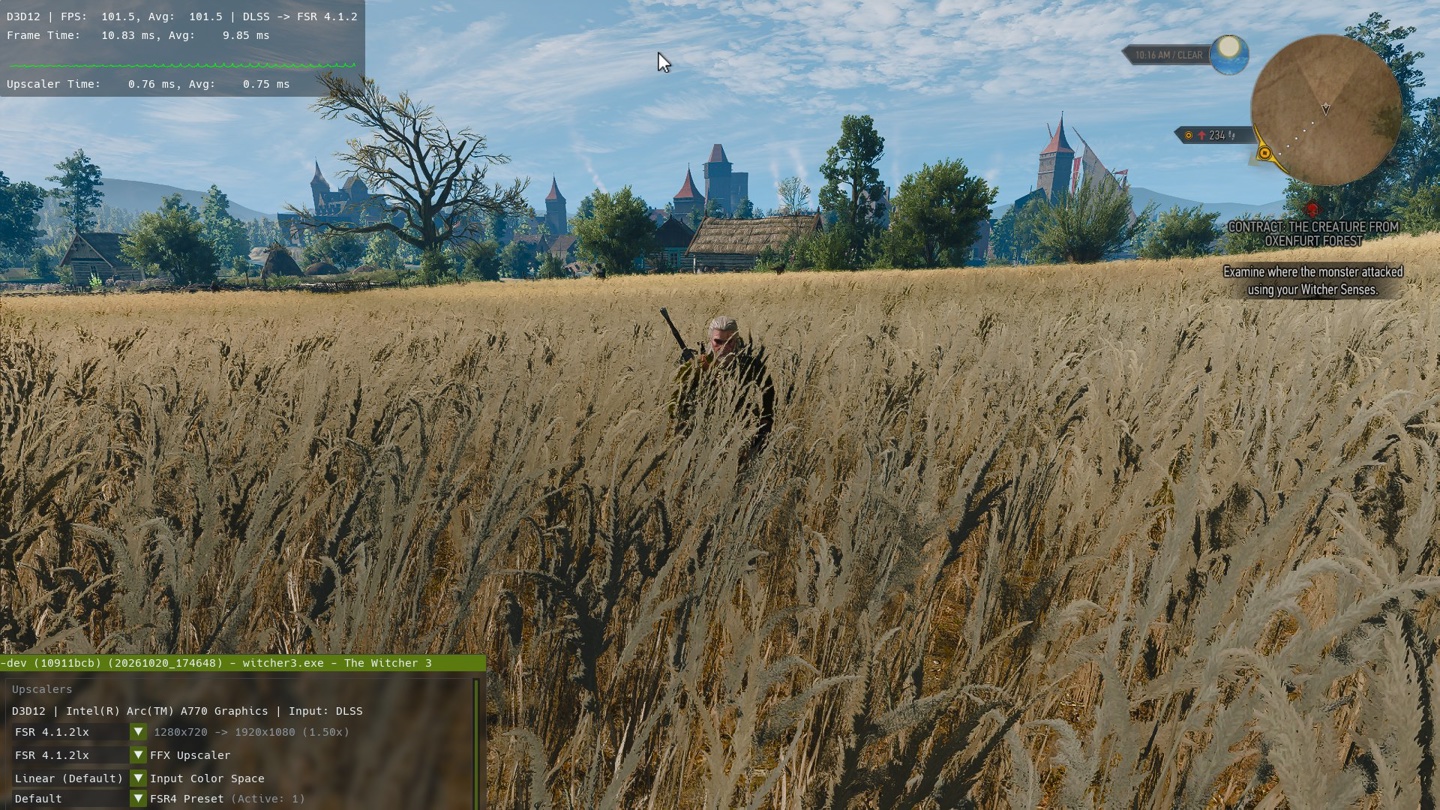
Developers are testing an experimental UEFI-based implementation for Windows, which showed an 82.5% increase in BF16 throughput on an RTX 3090. However, this version is not yet widely available. The project does not currently provide measurable benefits for gaming or DLSS performance.