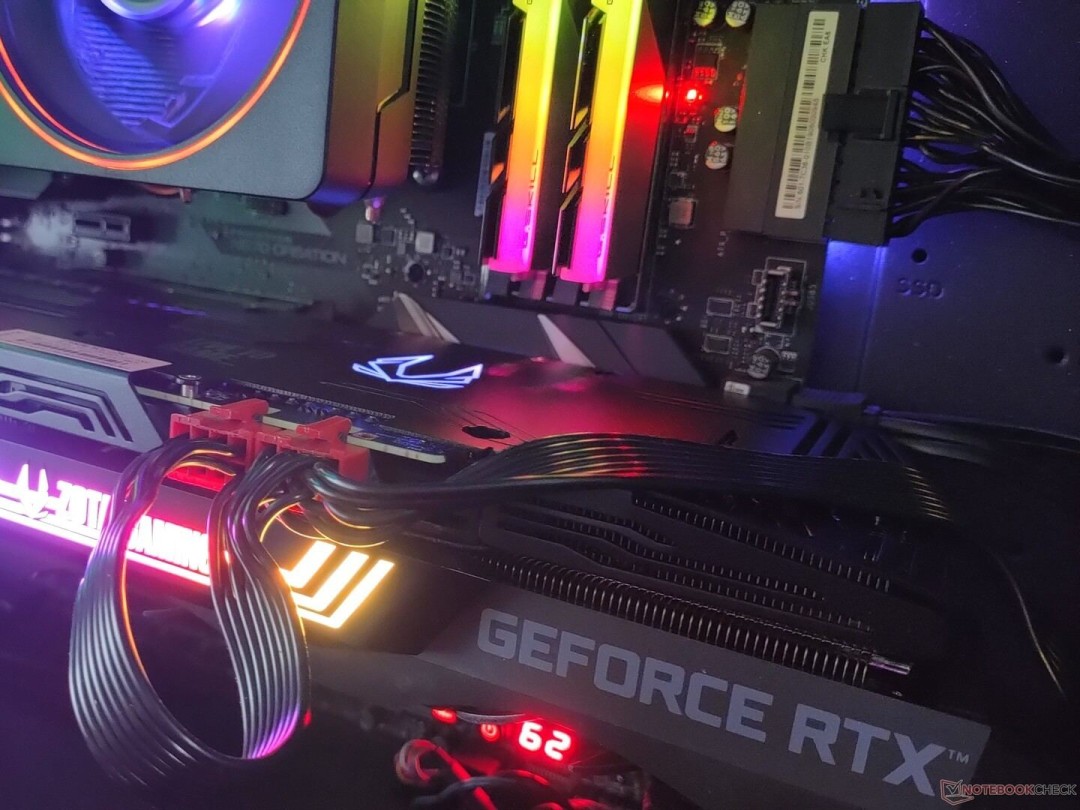
GitHub user Zagitta has released an open-source tool named gpu-unlock designed to remove instruction throughput limits on Ampere-architecture GeForce graphics cards. The tool targets Tensor Core operations, specifically FP16 and BF16 with FP32 accumulation, which typically run at half the speed of professional Nvidia GPUs.
The software functions by modifying hardware speed selection registers via a Linux kernel module. This process occurs before the Nvidia graphics driver loads, resetting the GPU and handing control back to the original driver. Consequently, users do not need to flash the VBIOS or use modified firmware.
Performance gains vary by workload. Community reports indicate that RTX 3090 BF16 matrix multiplication performance increased from 77.5 to 129.6 TFLOPS, while TF32 performance rose from 40.2 to 69.8 TFLOPS. The RTX 3090 Ti saw its BF16 throughput jump from 87.5 to 157.4 TFLOPS.
Real-world application results are inconsistent. Testing with local LLM inference showed a 16% improvement in long-context prompt processing, though token generation speeds remained largely unchanged. Meanwhile, ComfyUI workloads on an RTX 3090 Ti demonstrated throughput increases between 47% and 59%.
Currently, the project is limited to Linux, with only an experimental Windows port available for specific systems. There is no verified evidence that the tool improves gaming frame rates via DLSS. Developers warn that the tool is experimental and carries risks for primary gaming machines.