

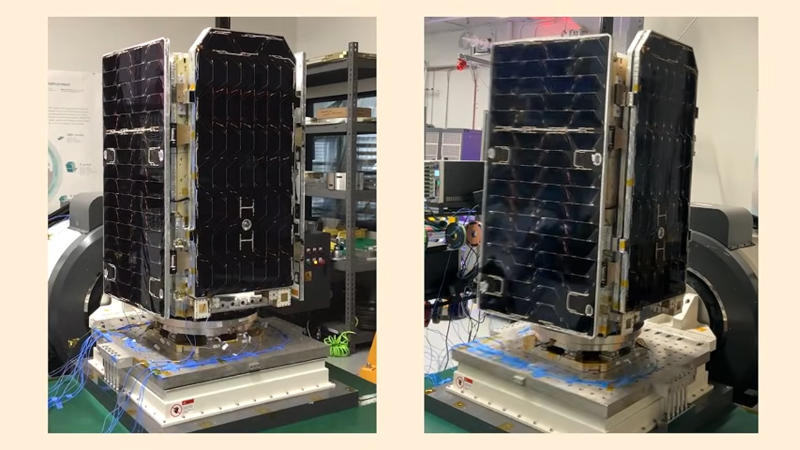
Google has launched its Project Suncatcher satellite into orbit using a SpaceX Falcon 9 rocket. The prototype, developed in partnership with Planet, is equipped with four Google TPU AI accelerators. The mission aims to test the performance of these chips under space conditions, including radiation and extreme temperature fluctuations.
The satellite operates on a sun-synchronous orbit, allowing it to rely on solar energy without the need for heavy batteries. Due to thermal management constraints in space, the system runs the open-source Gemma AI model in 15-minute sessions. Google is currently exploring cooling solutions, such as specialized radiator systems, to manage heat dissipation.
Google plans to launch two additional satellites next year to test inter-satellite laser communication. The long-term vision involves creating constellations of satellites that function as orbital data centers. Each future unit is expected to house several dozen TPU chips, enabling collaborative computing tasks.
The initiative comes amid a massive increase in Google's capital expenditures, which are projected to reach between $180 billion and $190 billion this year. While SpaceX aims to begin mass deployment of orbital data centers by 2028, Google acknowledges that the technology faces significant challenges, including high launch costs and maintenance difficulties.

