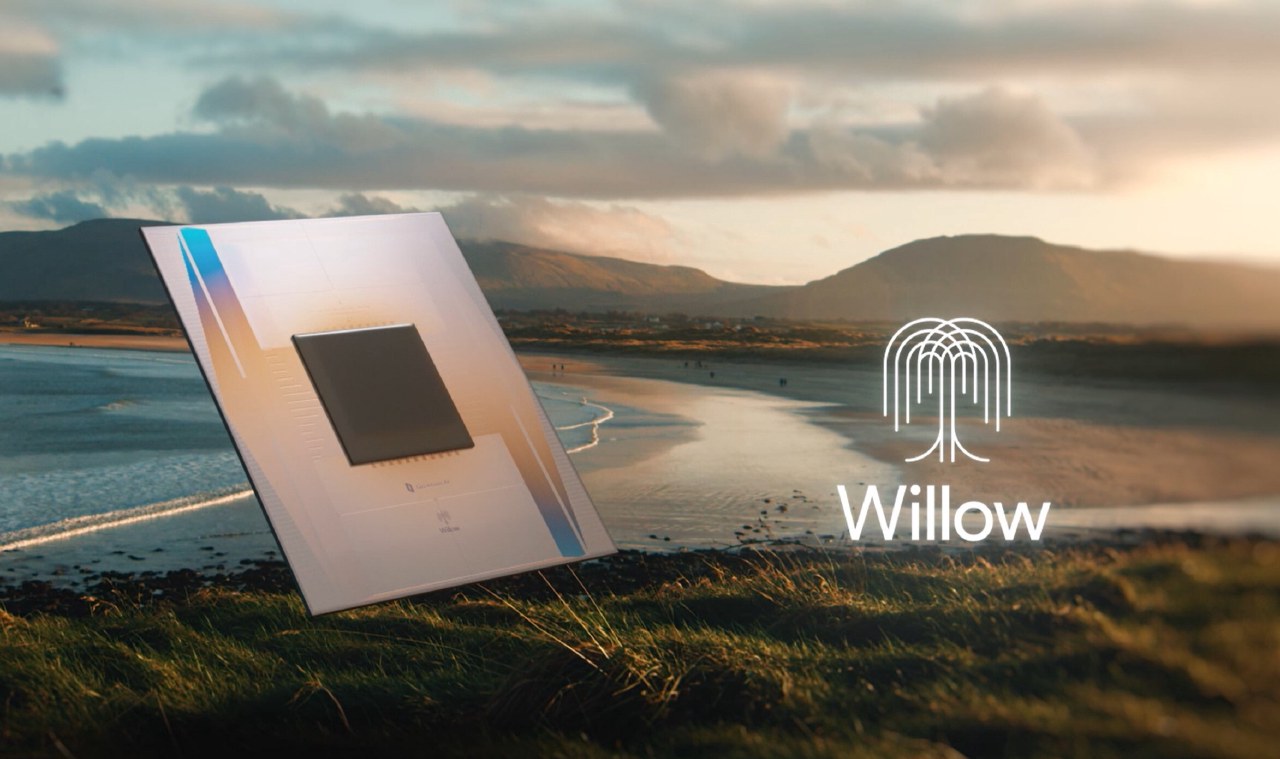
Google Quantum AI has achieved a 40-fold reduction in a critical class of quantum errors using its new Willow chip, according to a study published in Science. The method involves filtering out 92% of processed states to achieve 99.99% fidelity. While this represents a technical milestone, breaking an RSA-2048 key still requires an error rate about one million times lower than the current performance of the Willow chip.
The progress in quantum computing is accelerating. Estimates for the number of noisy qubits required to crack RSA-2048 have dropped from 20 million in 2019 to under one million by 2025. A March 2026 Google whitepaper suggests that Bitcoin’s elliptic curve cryptography could be compromised by fewer than 500,000 physical qubits. The Willow chip currently features 105 qubits.
Beyond quantum threats, researchers are concerned about AI-driven mathematical advancements that could break elliptic curves on standard hardware. Ethereum researcher Justin Drake has advised large holders to migrate funds to new addresses that have never signed a transaction to mitigate risks. Coinbase, Sui, Ethereum, Zcash, and Near are currently developing or testing quantum-resistant measures.