

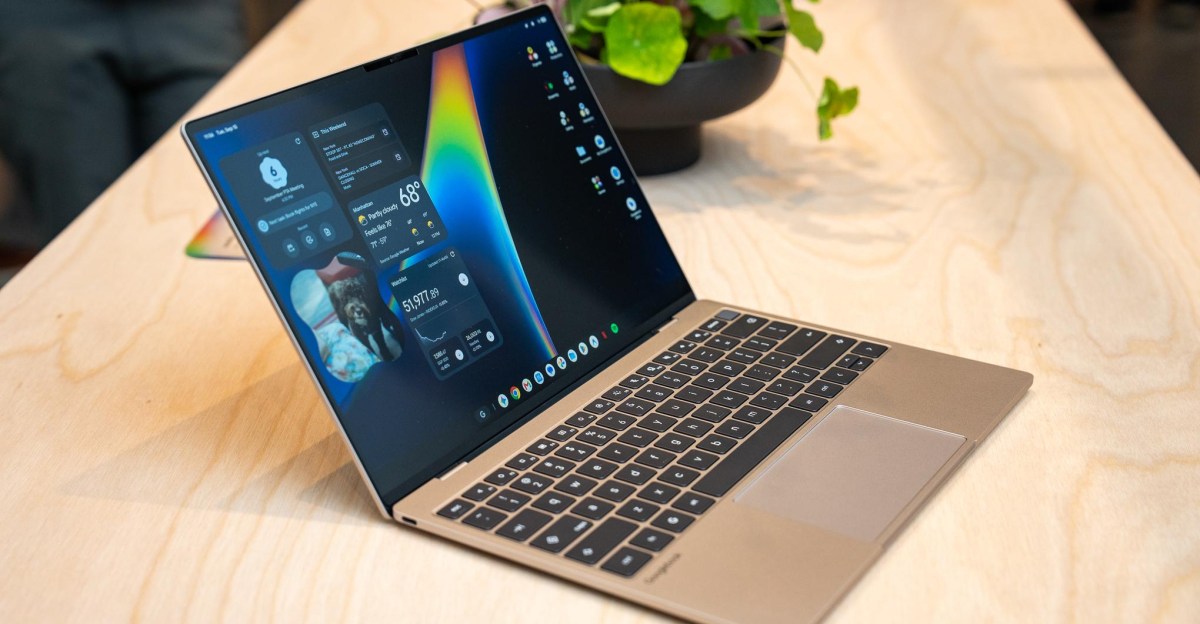
Google has introduced Googlebook OS, a new operating system designed to unify the company's computing ecosystem. The project, internally known as Project Aluminium, shifts away from the previous ChromeOS strategy by building a laptop platform based on Android. This approach aims to provide native support for Android applications while incorporating multitasking and multi-window features from ChromeOS.
The initiative is led by Rick Osterloh, Google’s head of hardware and devices, who views it as a move to consolidate the company's software efforts. The platform is designed to integrate seamlessly with Android phones, offering familiar interfaces like widgets and notification shades. It also features deep AI integration, including the Magic Pointer tool that allows users to invoke AI bots by interacting with on-screen elements.
Google is launching the platform with five initial devices from partners including Acer, Asus, Dell, HP, and Lenovo. These laptops are intended to compete with high-end PCs by offering robust hardware capable of running local AI models. The company plans to expand this ecosystem with more partners in the future, marking a strategic pivot toward prioritizing high-quality hardware over the previous cloud-only approach.



