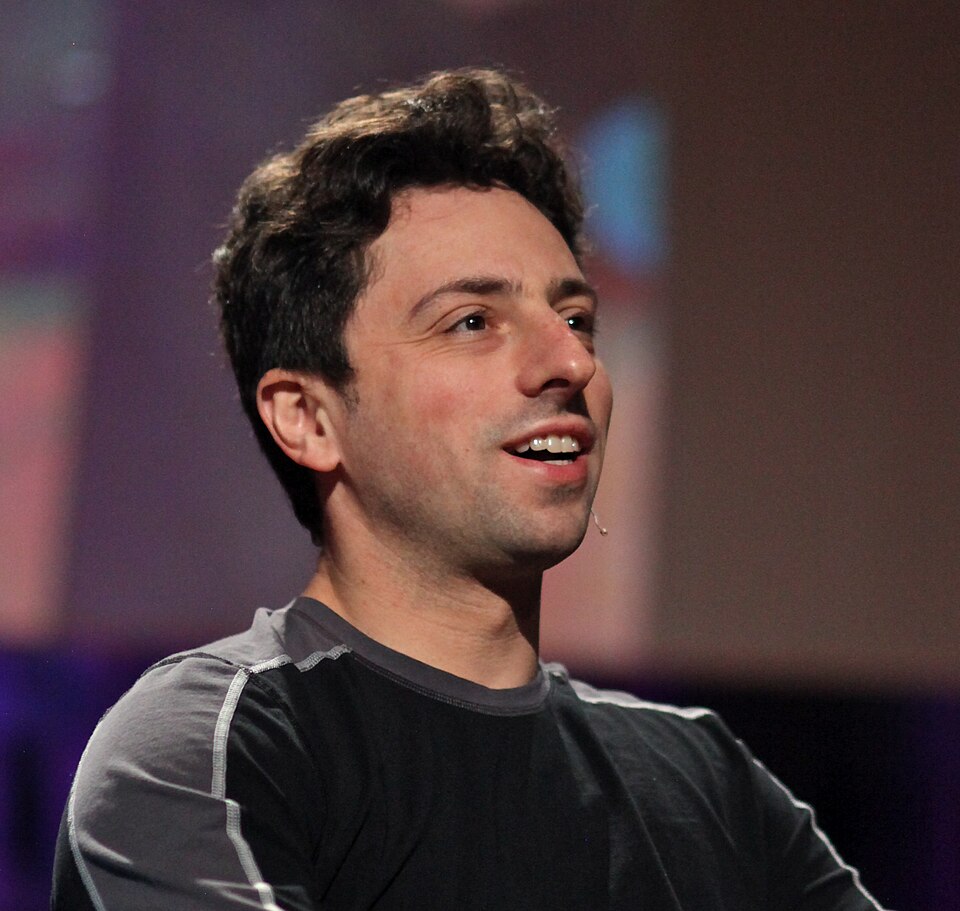
Google co-founder Sergey Brin announced that the company is accelerating its AI development by implementing recursive self-improvement (RSI). This process involves current AI models assisting researchers in building their own successors, creating a cycle that speeds up the development of new versions.
Brin cited the Google Flash series as evidence of this shift. Vihan Jain, who leads RSI efforts at Google DeepMind, noted that the Argon model is already playing a significant role in its own iterative evolution. Internal teams are now shifting their resource requests from raw compute chips to Argon usage quotas.
The company is increasingly automating parts of the development cycle. According to a safety report on the Argon model, AI agents are now writing and debugging a majority of code in production environments, though human oversight remains mandatory for final submissions.
Industry experts from companies including Anthropic, OpenAI, and Google DeepMind suggest that RSI could become widespread within the next 3 to 12 months. A report by Gladstone AI indicates that this timeline could accelerate further in the absence of government intervention.
Sergey Brin is actively directing resources toward RSI initiatives, emphasizing that internal development cycles are moving faster than public releases. While the technology promises efficiency, researchers have also warned that insufficient safety measures could lead to a loss of human control over these systems.