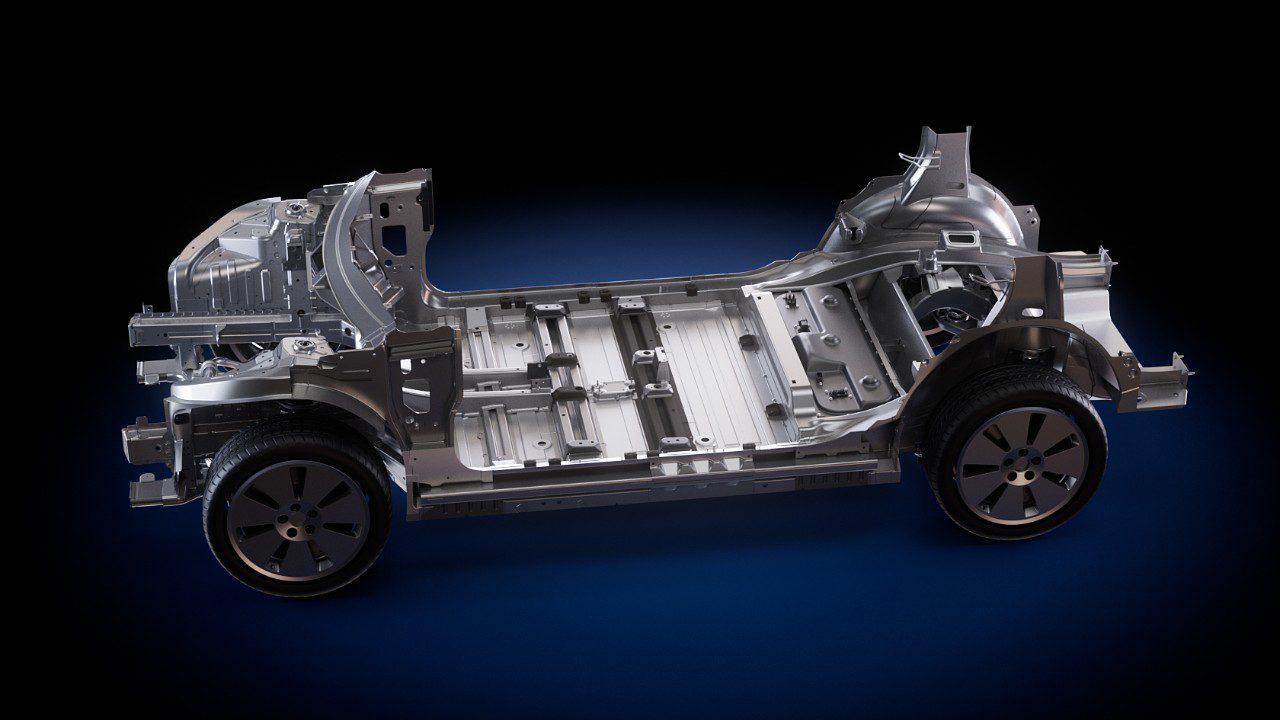
General Motors has announced its fourth-generation electric vehicle platform, which focuses on increased efficiency and updated manufacturing processes. The architecture incorporates lithium manganese-rich batteries, centralized computing, and the latest version of the Super Cruise driver-assistance system.
The company expects the new platform to provide approximately 20% more range per kilowatt-hour of energy. These gains are attributed to improved electric propulsion systems and aerodynamic refinements. The design philosophy prioritizes smaller, lighter, and more cost-effective components across all vehicle systems.
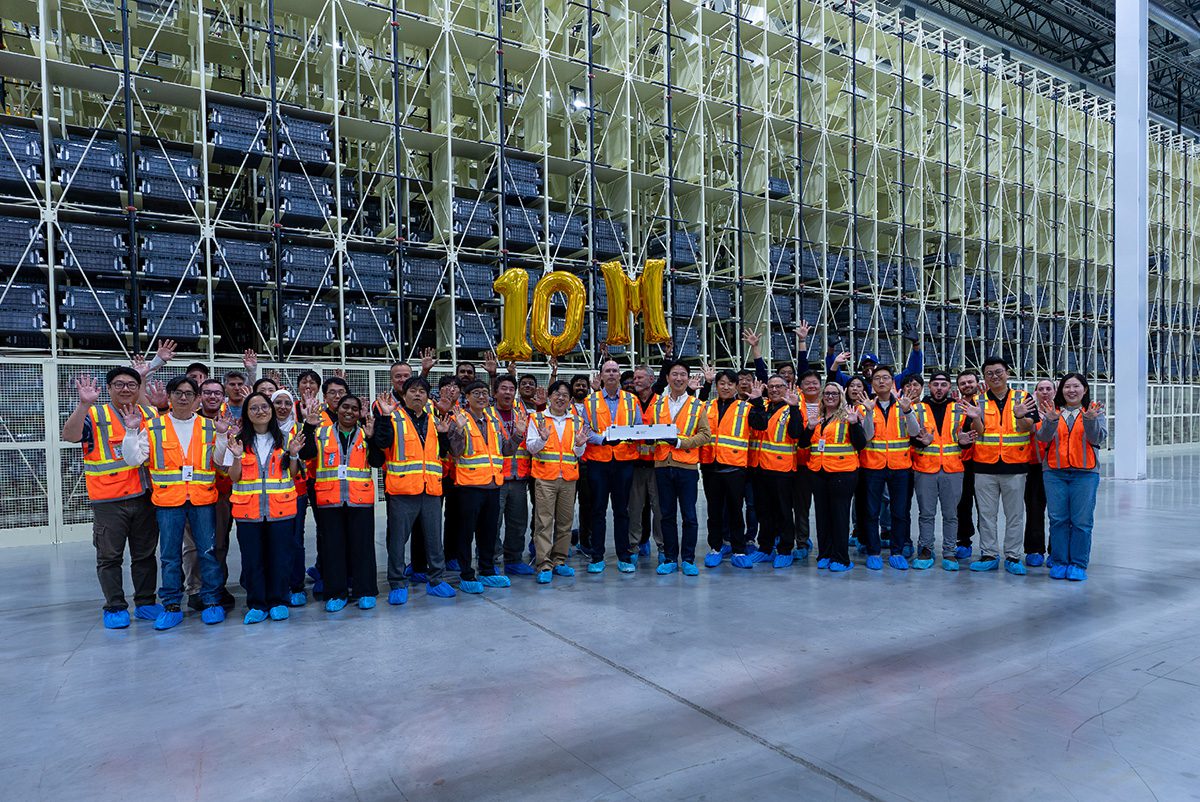
GM utilizes prismatic cells produced at the Ultium Cells facility in Spring Hill, Tennessee, a joint venture with LG Energy Solution. To accelerate development, engineers used computer modeling to evaluate over 300,000 battery designs before creating a physical prototype, allowing the team to secure program approval in one month.
The manufacturing workflow has been digitized to improve efficiency. Assembly teams now use detailed production data and digital models to test processes and identify ergonomic or safety issues prior to hardware installation. This approach has already reduced the time required for battery pack production by 30%.