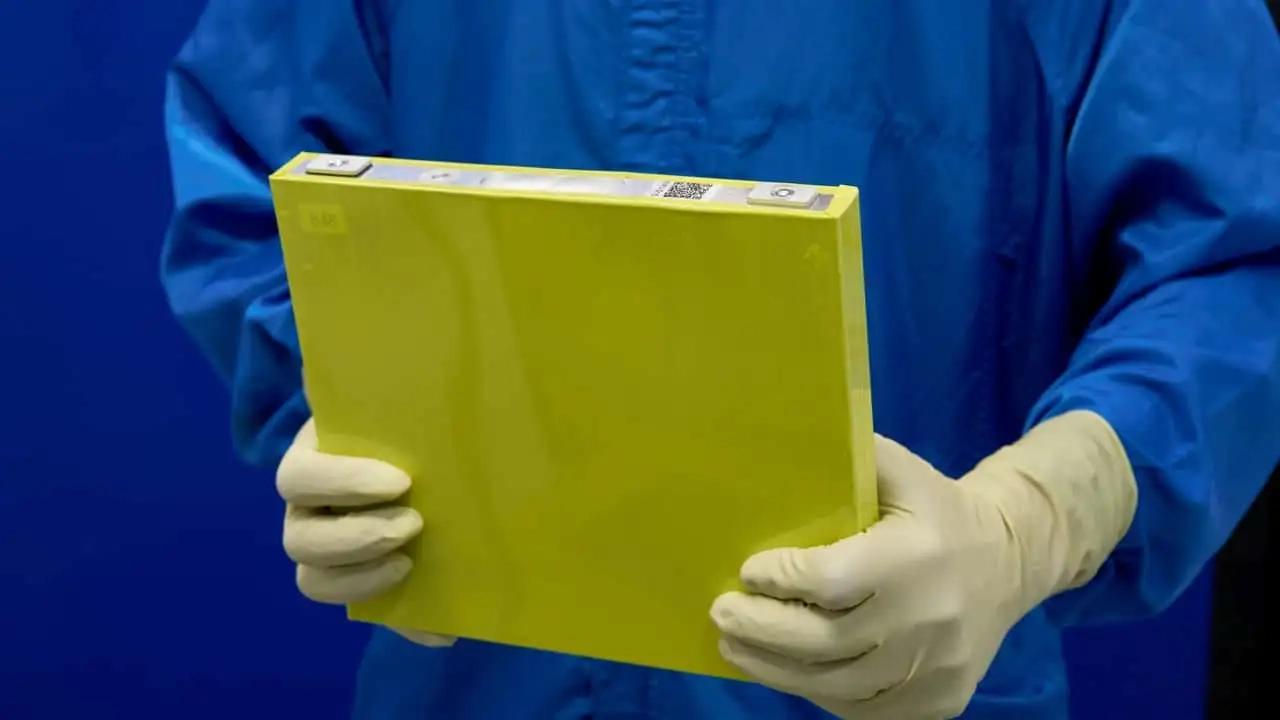
General Motors is preparing to launch mass production of next-generation lithium-manganese battery cells. The manufacturing process will take place at the Ultium Cells plant in Spring Hill, Tennessee, a joint venture between GM and LG New Energy.
The facility will undergo a reconstruction starting before the end of 2026, with completion scheduled for 2028. Once finished, the plant will become the first globally to mass-produce this specific type of prismatic battery cell.
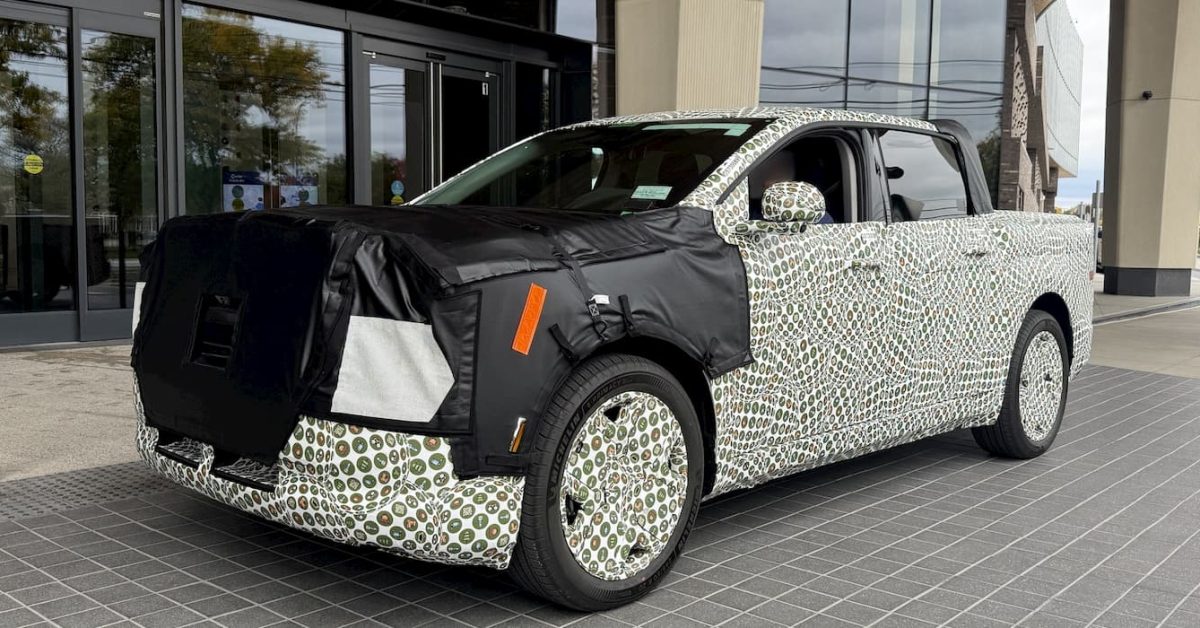
According to GM, these new batteries will increase the range of electric vehicles by 33% compared to current LFP technology. The company intends to equip full-size pickups and SUVs with these cells, targeting an EPA-rated range exceeding 644 km.
The first vehicle models featuring these lithium-manganese batteries are expected to hit the market in 2028. The chemical composition of these cells uses significantly less nickel and cobalt, replacing them with manganese, which GM notes is cheaper to source and process.
These batteries are positioned to bridge the gap between high-energy ternary batteries and affordable LFP options. GM expects the new technology to offer an increased range while maintaining a cost profile similar to that of lithium-iron-phosphate batteries.