

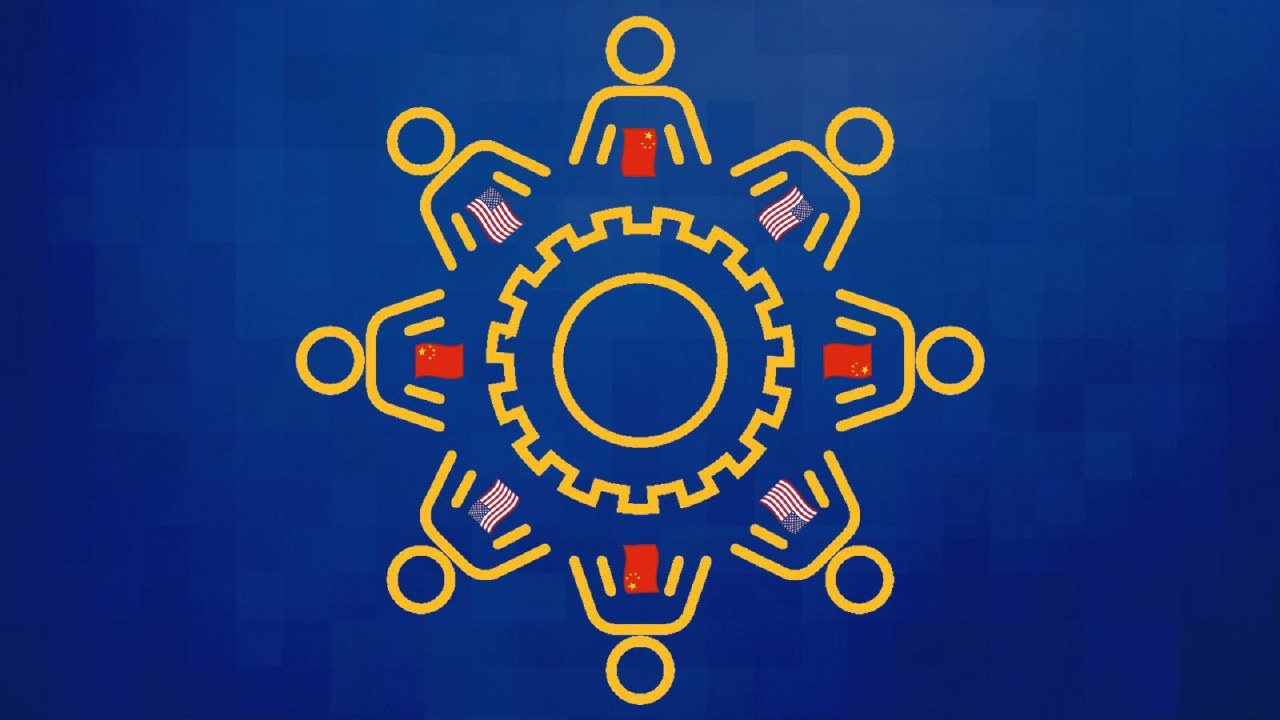
Countries across the Global South are increasingly adopting a dual-sourcing strategy for AI, combining American hardware with Chinese open-source models. This approach allows nations to maintain technological sovereignty while avoiding total dependence on a single supplier.
Saudi Arabia recently launched the Humain-m3 Arabic-language model, which utilizes technology from the Chinese startup MiniMax. Simultaneously, the state-backed company behind the project has secured major infrastructure deals with Nvidia and other U.S. firms.
In August, Brazil announced a $444 million investment in AI, splitting the funds between two distinct projects. Approximately $255 million is allocated for supercomputing infrastructure developed with Huawei and iFlytek, while $189 million is earmarked for a separate system expected to use Nvidia hardware.
Washington is attempting to counter this trend through initiatives like the U.S.-ASEAN AI Spark and the Pax Silica supply chain alliance. Meanwhile, China promotes its World Artificial Intelligence Cooperation Organization, which has attracted members like Kazakhstan and Uzbekistan.
Nations such as Malaysia are evaluating Chinese hardware, including Huawei Ascend 910C accelerators, for sovereign AI initiatives. As middle powers seek to balance diplomatic and technological ties, experts suggest that forcing countries to choose sides may face significant resistance.


