

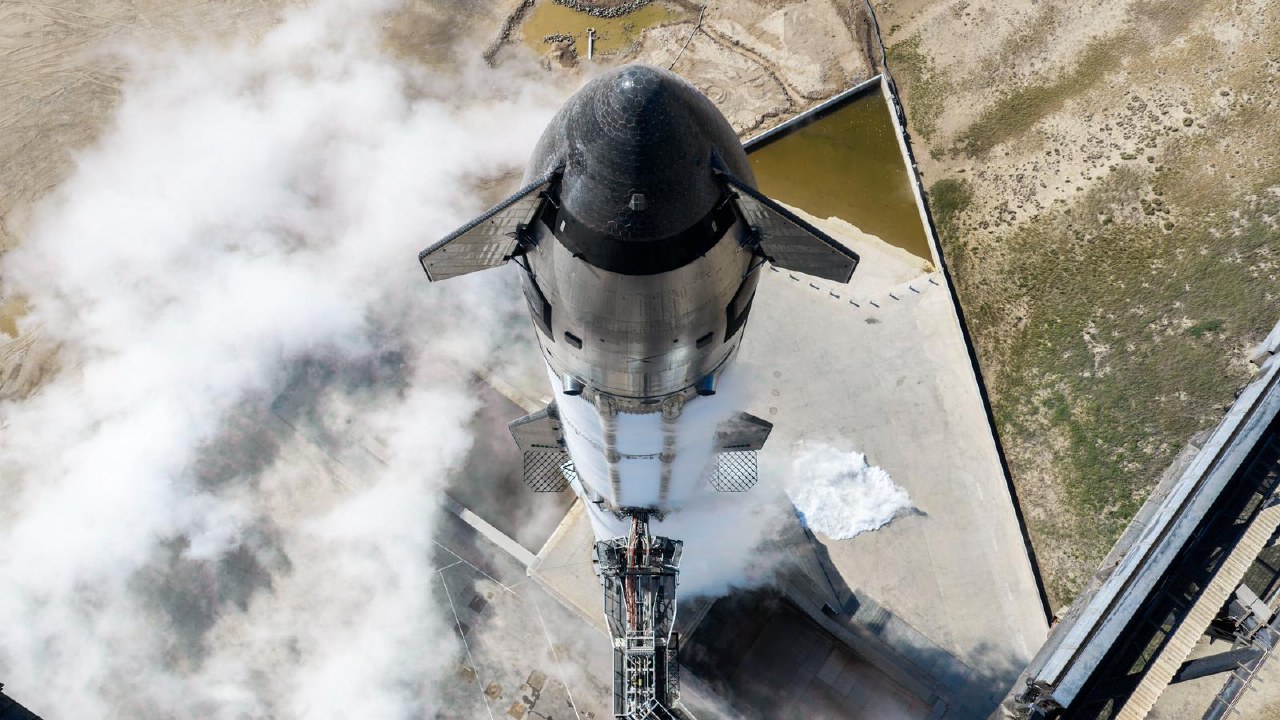
The US Federal Aviation Administration has issued an updated license for the Starship system, clearing the final regulatory hurdle for its upcoming mission. This approval enables the Flight 14 launch, which is scheduled to take place on September 28 from the OLP-2 launch site at Starbase.
The mission marks the first orbital flight for Starship, aiming to reach an altitude of approximately 275 km. The payload consists of 26 Starlink V3 satellites from group 31-1. Among these, three units are equipped with specialized cameras to monitor the thermal protection system of the Ship 41 vehicle.
Following stage separation, the Booster 21 stage will execute a maneuver to perform a controlled splashdown in the Gulf of Mexico. Meanwhile, the Ship 41 spacecraft is set to complete approximately six orbits around the Earth, remaining in flight for nearly 10 hours before re-entering the atmosphere for a splashdown in the Pacific Ocean west of Chile.
SpaceX has confirmed that this specific mission will not include the recovery of either stage via the launch tower. Both components are currently positioned at the launch site, with the ship having been re-stacked onto the Super Heavy booster following the successful completion of wet dress rehearsal testing.



