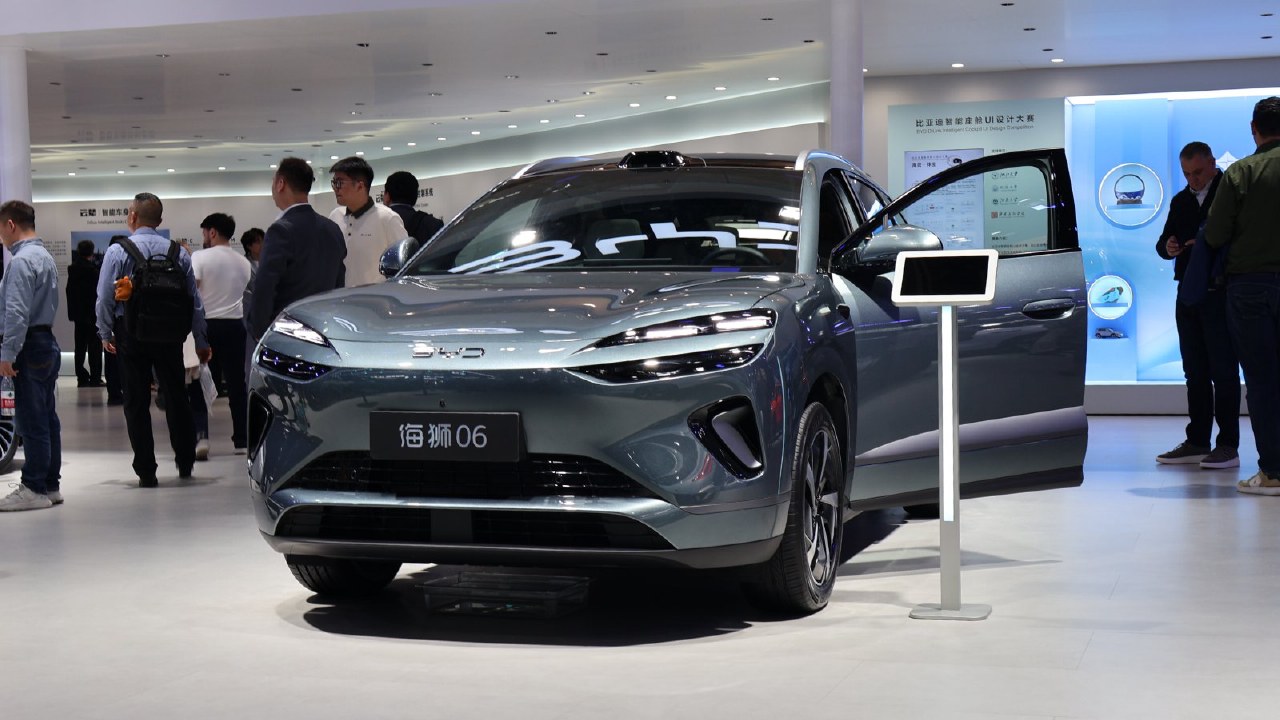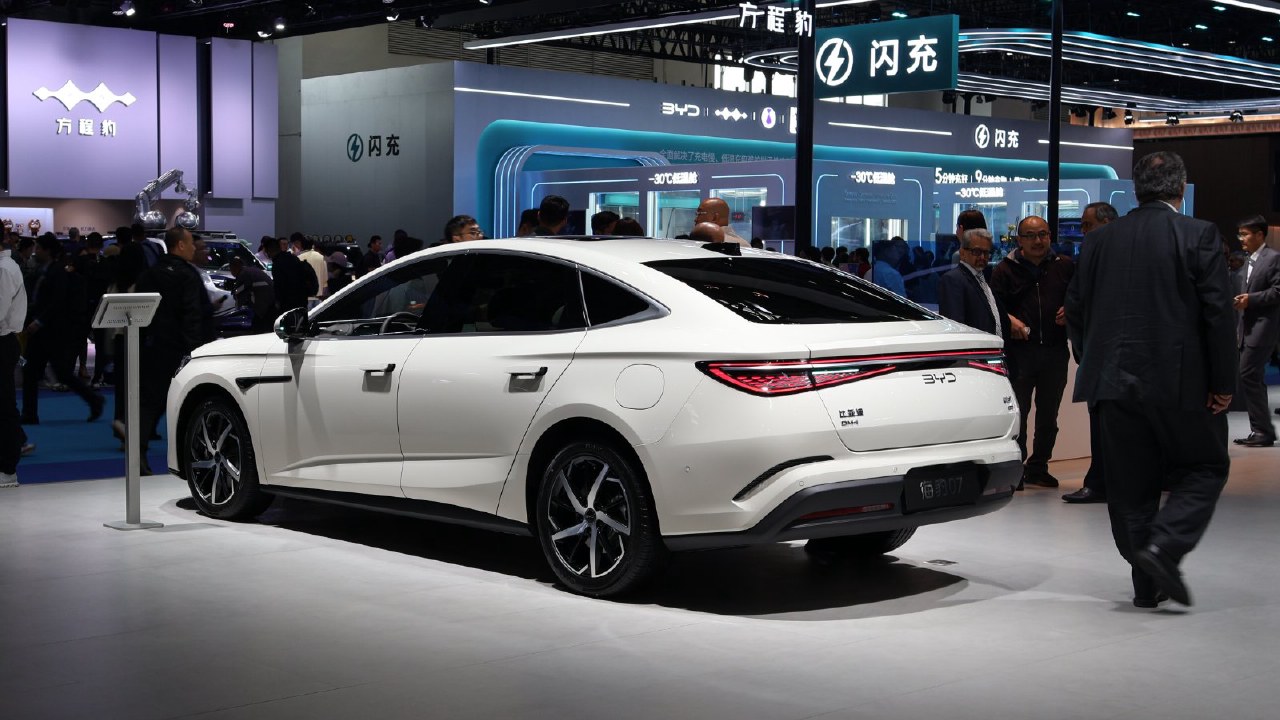
The European Union is currently negotiating with China to limit the import of Chinese-made hybrid vehicles. Officials are proposing that Beijing voluntarily restrict export volumes to the European market to prevent further deindustrialization of the local automotive sector. Should these negotiations fail, the EU may consider imposing additional tariffs on these vehicles.
The push for restrictions follows a significant surge in hybrid imports, which grew from 3,800 units in October 2024 to 50,000 units in July 2026. While battery electric vehicles from China are already subject to anti-subsidy duties of up to 45 percent, hybrids currently face a 10 percent tariff. The EU aims to address a daily trade deficit with China that has reached approximately €1 billion.
EU Trade Commissioner Maroš Šefčovič is scheduled to discuss these trade issues with Chinese Commerce Minister Wang Wentao. A visit to Beijing is planned for the second week of October. The European Commission hopes that voluntary export restraints will encourage Chinese manufacturers to increase investments in Europe or establish partnerships with local companies.
This trade pressure is part of a broader EU initiative to rebalance economic relations with China, which also includes requests to limit exports of chemicals. The European Commission is seeking tangible results in reducing the trade deficit by October. Germany and France are reportedly moving toward a consensus on implementing tougher measures against Chinese imports.