

Global oil supply dropped by roughly 5 million barrels per day following a drone strike on the Saudi Arabian East-West pipeline, pushing Brent crude prices above $104. Simultaneously, average US electricity prices reached $0.20 per kilowatt-hour, marking a 50% increase since 2020. The EIA projects further wholesale power price hikes of 23% in 2025 and 8.5% in 2026, driven largely by data center and crypto mining demand.
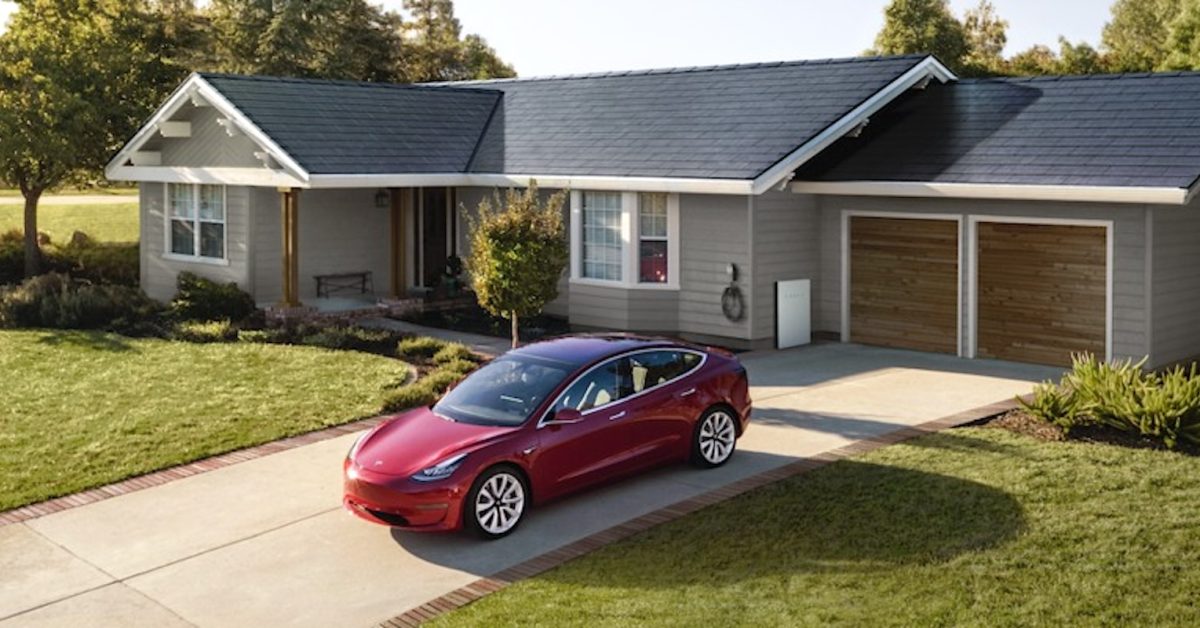
Electric vehicles offer an alternative to gasoline dependence by allowing owners to charge via the grid during off-peak hours or through home solar systems. Pairing solar panels with battery storage can lock in energy costs for 25 years. Furthermore, vehicle-to-home (V2H) technology enables EVs to act as backup power sources; for instance, a Chevy Silverado EV can power an average home for up to 21 days.
Major automotive manufacturers, including Ford, GM, Kia, and Tesla, now offer models that support bidirectional charging. Utility providers are also introducing incentives for this technology, such as PG&E’s V2X program, which offers up to $17,000 in benefits. These integrated systems allow homeowners to reduce grid reliance and mitigate exposure to volatile energy markets.



